
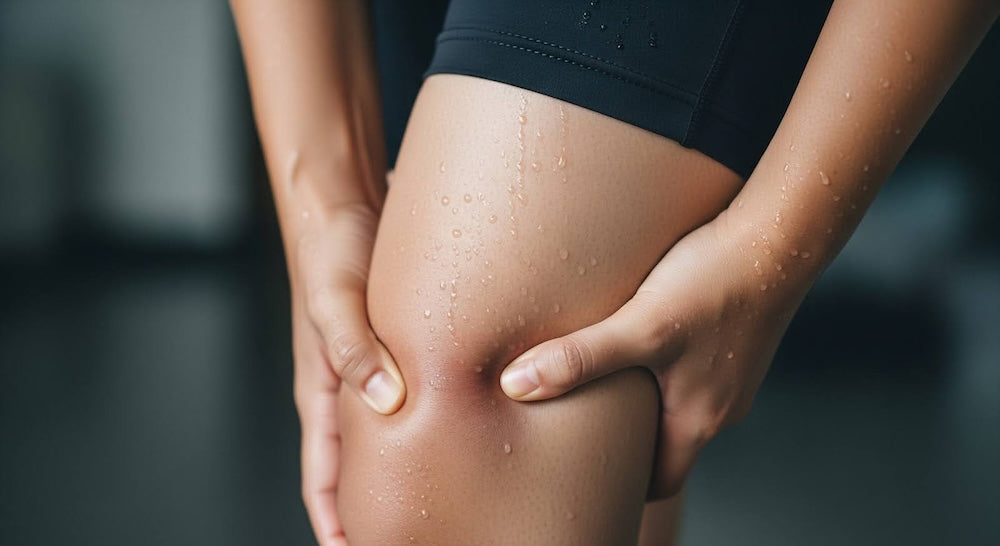
Why Does Muscle Recovery Feel Slower in Hot, Humid Climates?
Key Takeaways
- Muscle recovery slows in hot, humid climates due to sustained heat stress, dehydration, and prolonged inflammation.
- High humidity reduces sweat evaporation, limiting the body’s ability to cool itself during and after exercise.
- Elevated core temperature keeps the nervous system in a stressed state, delaying muscle repair.
- Dehydration and electrolyte imbalance increase fatigue, cramping, and muscle soreness.
- Athletes training in tropical climates often experience prolonged delayed onset muscle soreness (DOMS) compared to cooler environments.
- Passive rest alone is often insufficient to offset heat-related recovery delays.
- Cold plunge therapy helps accelerate cooling and shorten recovery windows.
- Contrast therapy supports circulation while preventing excessive heat buildup.
- Warrior Plunge cold plunge systems allow active Malaysians to recover faster and train more consistently despite environmental stress.
Introduction
If you train consistently in Malaysia, you’ve likely felt it before: sessions feel harder than they should, soreness lingers longer, and recovery seems to fall behind—even when your training plan hasn’t changed.
This isn’t a lack of fitness. It’s the environment working against you.
In hot, humid climates, the body struggles to release heat efficiently. Instead of cooling down quickly after exercise, heat accumulates and keeps the system in a stressed state long after training ends. The result is delayed recovery, heavier legs, and reduced readiness for the next session.

How Heat Stress Disrupts Muscle Recovery
Heat stress occurs when your body stores more heat than it can release during exercise. In tropical climates, this happens faster and lasts longer.
When heat stress builds up:
- Core temperature stays elevated post-workout
- Inflammatory responses remain active
- Stress hormones stay high
- The nervous system struggles to shift into recovery mode
How Dehydration and Electrolyte Imbalance Slow Recovery
In hot, humid conditions, recovery is further compromised by dehydration and electrolyte loss. High sweat rates common in tropical climates reduce blood volume and disrupt mineral balance, even during sessions that don’t feel extreme.
- Higher overall fatigue
- Increased risk of muscle cramps
- Lingering muscle soreness that carries into the next session
Why Passive Rest Alone Often Fails in Hot Climates
Rest is essential—but in hot, humid environments, it’s often not enough on its own. In Malaysia, that cooling process often needs support.
This comparison explains when active recovery methods outperform rest alone: Active Recovery vs Passive Recovery: What Actually Works for Endurance Athletes
How Cold Plunge Therapy Directly Counters Heat-Related Recovery Delays
Cold plunge therapy addresses the core problem athletes face in hot climates: excess heat that lingers after training.
- Accelerates heat dissipation
- Reduces prolonged inflammation
- Helps the nervous system exit a stressed state
- Improves perceived readiness for the next session
This guide connects the dots: Is Cold Plunge & Contrast Therapy Worth It in 2026? A Practical Recovery Guide for Active Malaysians
To get in-depth recovery insights, read: Cold Immersion Explained: How Ice Baths Reduces Muscle Soreness and Fatigue
Why Contrast Therapy Adds Another Layer of Recovery Support
While cold plunge therapy focuses on rapid cooling, contrast therapy adds circulation back into the equation.
- Heat promotes blood flow and muscle relaxation
- Cold prevents excessive heat accumulation
Learn more about Contrast Therapy: Benefits, How It Works & How To Do Guide
Real-World Impact: Training Consistently in Tropical Conditions
Heat and humidity extend inflammatory responses and delay tissue repair, causing soreness that would normally resolve quickly to linger longer. Learn how athletes shorten muscle recovery time in hot climates.
Learn more about Post Marathon Recovery Trend in Malaysia: Cold Plunge Benefits for Runners & Cyclists
Final Takeaway: Turning Heat-Limited Recovery Into a Training Advantage
FAQs: Muscle Recovery in Hot, Humid Climates
Why does heat slow muscle recovery?
Heat keeps core temperature and inflammation elevated, delaying tissue repair and nervous system recovery.
Does humidity increase muscle soreness?
Yes. High humidity impairs cooling, prolongs inflammation, and increases perceived soreness.
Is contrast therapy better than ice baths?
They serve different purposes. Contrast therapy supports circulation, while cold plunges accelerate cooling.
Read more
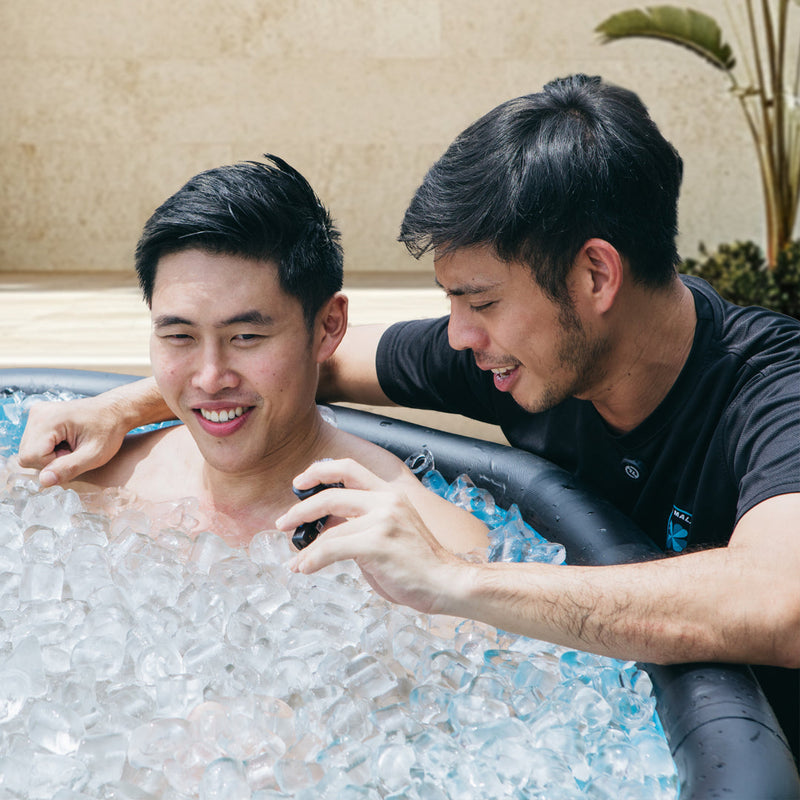
Learn why cold plunges are trending for post marathon recovery in Malaysia. Reduce soreness, recover faster, and reset after long-distance runs or rides.
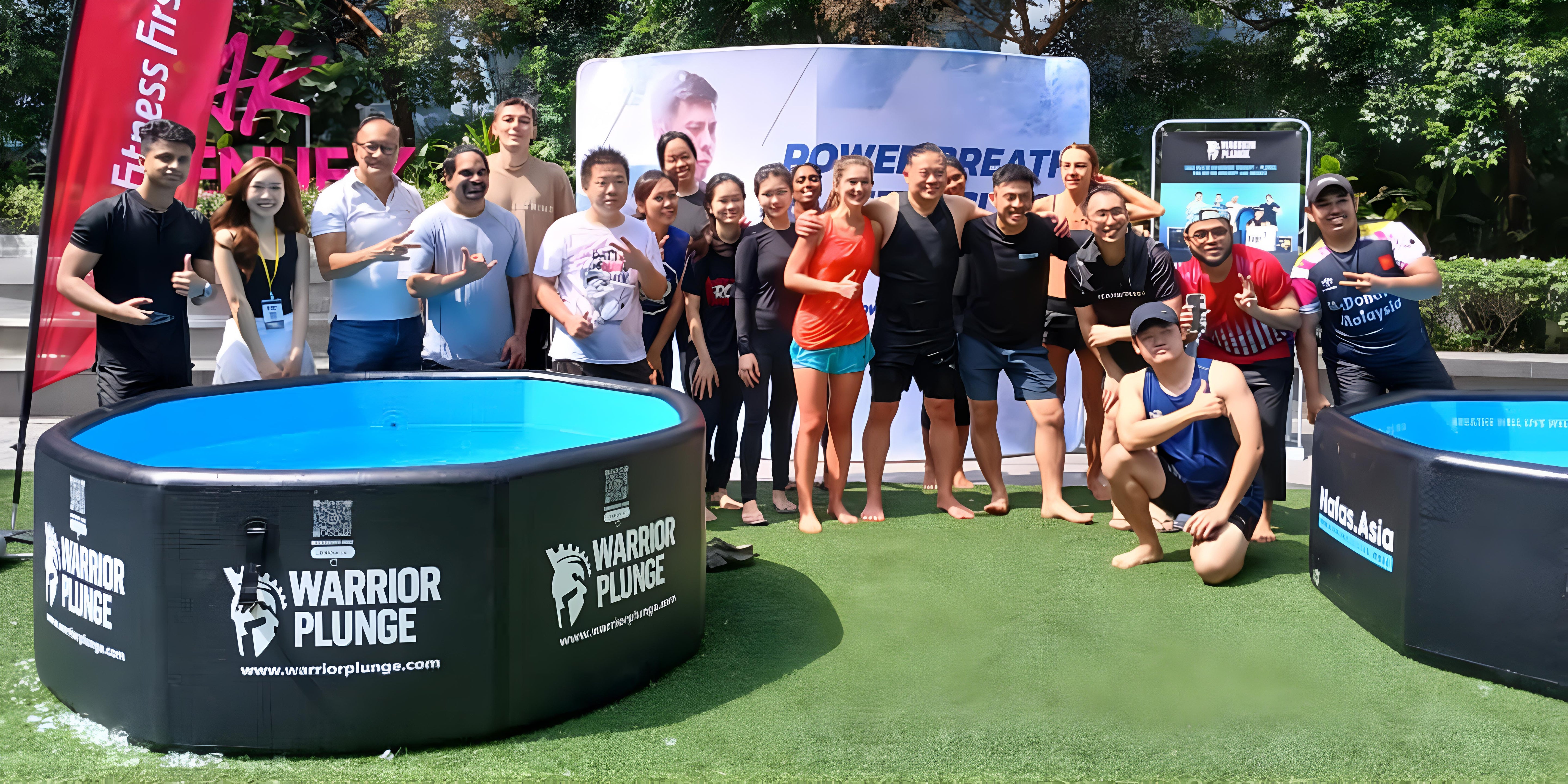
A recovery guide for active Malaysians using cold plunge therapy, ice bath recovery, and contrast therapy to reduce soreness and train consistently.