Cold Immersion Explained: How Ice Baths Reduce Muscle Soreness and Fatigue
Key Takeaways
- Cold immersion (cold water immersion, or CWI) usually means sitting in 5–15°C water for a few minutes to support recovery, stress resilience, and wellbeing.
- Ice baths trigger vasoconstriction, then reactive vasodilation, which can temporarily reduce inflammation, swelling, and muscle soreness after intense exercise.
- Meta-analyses show cold water immersion can reduce delayed onset muscle soreness (DOMS), lower creatine kinase (CK), and improve recovery of power and performance within 24–72 hours.
- Ideal recovery protocols commonly use 5–15°C for around 5–15 minutes, applied soon after hard training or tournaments.
- Overuse of deep cold immediately after heavy strength work may slightly blunt muscle and strength gains, so timing matters if hypertrophy is your main goal.
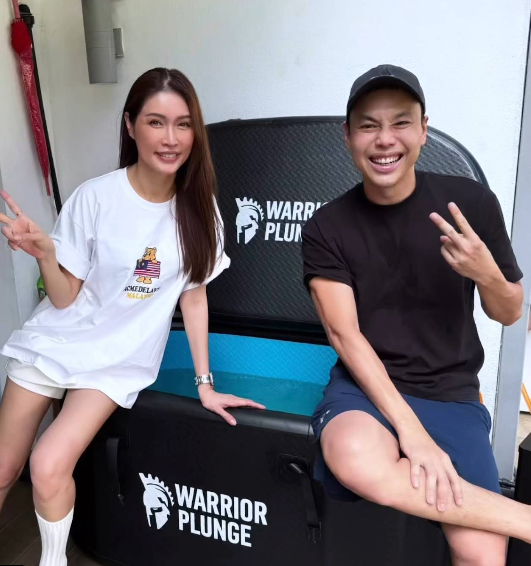
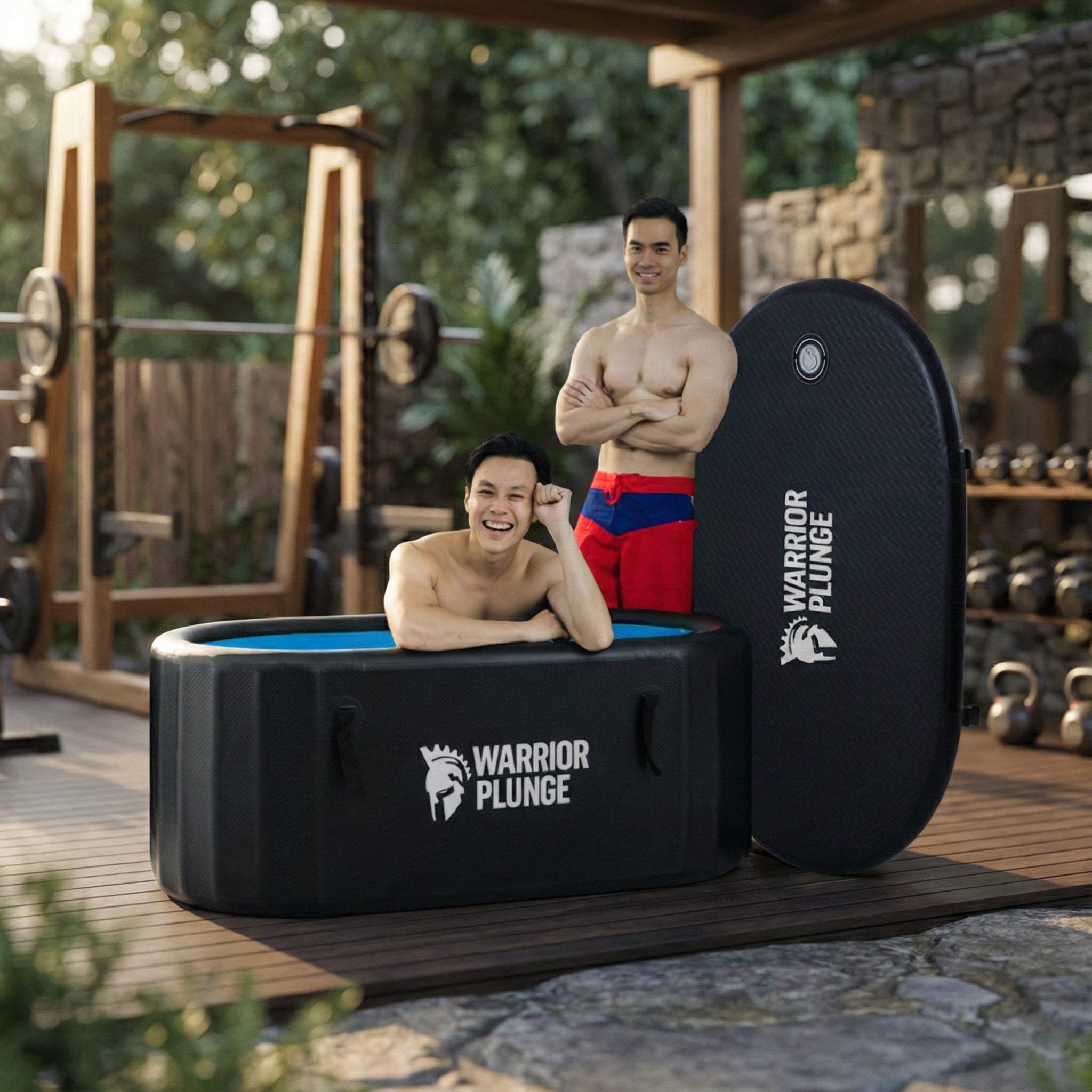
- In Malaysia, at-home ice bath setups like Warrior Plunge tubs and chillers make cold immersion practical and consistent.
What Is Cold Immersion and How Does an Ice Bath Work?
Cold immersion is the practice of exposing your body to cold water—usually 5–15°C—for a short, controlled period. In fitness and recovery, this often means sitting in an ice bath or cold plunge tub for 2–10 minutes after training.
Ice baths are one form of cold water immersion (CWI), along with cold plunge pools, cooling tubs, and (to a milder extent) cold showers. Compared to a quick cold shower, full-body immersion:
- Cools tissues more effectively
- Produces stronger cardiovascular and nervous system responses
- Has more consistent outcomes in recovery studies
For athletes and cold immersion Malaysia users, the main goals are:
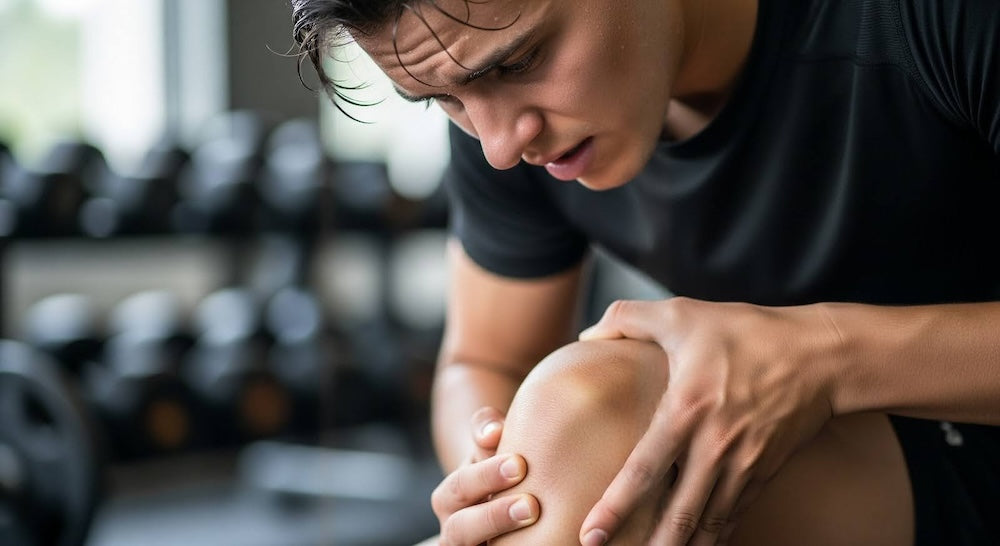
- Reduce post-workout soreness and fatigue
- Speed up readiness for the next session
- Build stress resilience and mental clarity
What Happens to Your Body During Cold Immersion?
How Vasoconstriction and Vasodilation Affect Inflammation
When you step into an ice bath, the first thing that changes is blood flow:
- Cold exposure causes vasoconstriction – blood vessels narrow, reducing blood flow to the skin and outer tissues.
- After you get out and rewarm, you get reactive vasodilation – vessels widen and blood flow returns, often with a strong flush.
This cycle can help:
- Limit acute swelling after intense exercise
- Shift fluid away from heavily worked tissues, then back again
- Influence inflammatory signalling in the short term
Recovery studies suggest that, used correctly, this helps lower muscle soreness and CK levels, especially after high-intensity or eccentric-heavy sessions.
How Cold Immersion Influences the Nervous System and Hormones
Cold immersion is also a strong stimulus for your nervous system. Acute sessions can:
- Increase noradrenaline and dopamine, which are linked to alertness, focus, and mood.
- Activate the sympathetic “fight or flight” response initially, then promote a rebound shift towards a calmer state once you warm back up.
This partly explains why many ice bath users report:
- Feeling “switched on” immediately after
- Better emotional control and lower baseline stress
- Improved sleep when used at the right time of day
For a deeper look at these effects, see Ice Bath Benefits: Research, Testimonials & More.

How Does Cold Immersion Reduce Muscle Soreness and Fatigue?
What Does the Research Show on DOMS and Fatigue?
Multiple meta-analyses and systematic reviews now support ice baths as an effective tool for post-exercise recovery:
- Sports Medicine review found that cold water immersion improved muscular power, reduced muscle soreness, lowered CK, and enhanced perceived recovery versus passive rest after vigorous exercise.
- Frontiers in Physiology meta-analysis reported that CWI reduced DOMS and improved fatigue recovery and performance measures after high-intensity exercise.
- A 52-trial meta-analysis summarized by the American Academy of Family Physicians found that cold water immersion after exercise meaningfully reduces muscle soreness and improves short-term recovery, especially in the first 24–72 hours post-workout.
In simple terms, ice bath recovery is especially useful when:
- You have another hard session or game within 24–72 hours
- You are in a tournament or competition block
- You are introducing a new or very demanding training stimulus

When Do Ice Baths Help the Most?
Cold immersion seems most effective for:
- High-intensity or eccentric-heavy sessions – sprint intervals, HIIT, heavy lifting, downhill running.
- Endurance efforts in heat – long runs, rides, or matches in Malaysia’s climate.
- Tournament and back-to-back days – when you care more about performance tomorrow than maximum adaptation in a few weeks.
For pure muscle and strength development, you still want training, nutrition, and sleep to do most of the work. Ice baths are best treated as a situational tool, not something you must do after every single workout.
If you’re having muscle strain, read How To Speed Up Muscle Strain Recovery: Using Cold Therapy and More
What Are the Ideal Temperature and Duration for Ice Bath Recovery?
What Temperature Counts as Effective Cold Immersion?
Most research defines cold water immersion as water below 15°C. Common ranges used in studies are:
- 5–10°C – very cold, strong stimulus, often used for shorter immersions.
- 10–15°C – still cold enough for recovery benefits, often more tolerable for beginners.
Network and traditional meta-analyses suggest that lower temperatures combined with shorter durations are effective for reducing soreness and CK, especially after intense exercise.
How Long Should You Stay in an Ice Bath?
Common, evidence-aligned guidelines:
-
Beginners:
- 10–15°C for 2–5 minutes
-
Intermediate / experienced:
- 5–15°C for 5–10 minutes
-
Heavy tournament or elite contexts:
- Up to 15 minutes total, optionally split into shorter rounds
You don’t need to chase extremes. Most of the benefits of cold water immersion for post-workout soreness appear within these ranges. Longer or colder sessions add stress without clear extra recovery gains.
When Should You Use Ice Baths – and When Should You Be Careful?
Best Timing for Post-Workout Cold Immersion
For ice bath recovery, timing depends on your goal:
-
Tournament / back-to-back performance:
- Use cold immersion as soon as practical after the event to control soreness and fatigue.
-
Mixed training blocks:
- Use ice baths on conditioning days or very hard sessions where next-day readiness matters.
-
Hypertrophy / strength focus:
- Avoid deep cold immediately after every heavy lifting session; separate ice baths by a few hours or reserve them for non-lifting days.
This way, you get the recovery benefits when you need them most without constantly interfering with long-term strength and muscle gains.
Safety, Contraindications, and Common Sense
Cold immersion is intense and should be treated with respect. People who should get medical advice before plunging include those with:
- Heart disease or arrhythmias
- Uncontrolled high blood pressure
- Serious circulation disorders
- Other conditions where abrupt cold exposure can be risky
Basic safety rules:
- Start with warmer temperatures and shorter times
- Never plunge alone, especially in very cold water
- Exit immediately if you feel dizzy, numb, or unwell
- Warm up gradually afterwards with clothing and movement, not scalding hot water
Done correctly, cold immersion becomes a repeatable recovery habit, not a shock to the system.
How to Practise Cold Immersion Safely at Home in Malaysia

Step-by-Step Approach for a Home Ice Bath
If you want to build a cold immersion Malaysia routine at home, keep it simple:
-
Prepare your setup
- Use a dedicated tub or plunge, not a random container that might tip or leak.
- Ensure safe footing and a clear path to get in and out.
-
Set your starting range
- Beginners: 10–15°C, 2–3 minutes.
- Gradually lower the temperature or add time as you adapt.
-
Control your breathing
- Expect a short “gasp” response.
- Focus on slow nasal or belly breathing until your heart rate settles.
-
Stick to a simple routine
- 2–4 sessions per week after key workouts or long days.
- Combine with light stretching or breathwork afterwards.
Read From Sleepless to Serene: How Ice Baths Unlock Deeper, Restorative Sleep for detailed examples and real user routines.
How Warrior Plunge Supports Home Cold Immersion
Warrior Plunge helps make cold water immersion practical in Malaysian homes and facilities with:
- Portable tubs that fit on balconies, patios, or indoor spaces
- Precision chillers that bring water to consistent single-digit temperatures without daily ice runs
- Sauna-compatible options if you want full contrast therapy at home
You can start with a tub, then add a chiller and, later, a sauna as your routine evolves—building from simple cold immersion to full contrast sessions at home. For step-by-step protocols and example routines, read Contrast Therapy: Benefits, How It Works & How To Do Guide before you plan your setup.

Conclusion: Turn Ice Baths into a Smart Recovery Tool
Cold immersion is more than a viral challenge. When you understand the science and respect the limits, ice baths become a reliable way to manage post workout soreness, control fatigue, and support sleep and stress in a demanding climate like Malaysia’s. Keep your priorities straight:
- Foundations: training plan, nutrition, hydration, sleep.
- Daily habits: light movement, mobility, and stress management.
- Cold immersion: short, structured sessions that support the weeks where performance and recovery matter most.
When you’re ready to commit, explore Warrior Plunge Ice Bath systems, join Southeast Asia’s fastest-growing ice bath community, and listen to the Warrior Podcast for stories and strategies from coaches, athletes, and everyday Malaysians using cold immersion to change how they recover and perform.
Contact us today to discuss your personal cold therapy setup!
FAQs on Ice Baths, Cold Immersion, and Muscle Soreness
What is cold immersion in simple terms?
Cold immersion means putting your body in cold water—usually 5–15°C—for a few minutes to trigger recovery and adaptive responses. Ice baths and cold plunge tubs are the most common forms used for fitness and wellness.
How does cold immersion reduce muscle soreness?
Ice baths cause vasoconstriction and cooling in your muscles, then reactive vasodilation when you rewarm. This helps limit swelling, shift fluids, and influence inflammation, which together can reduce DOMS and CK levels after hard exercise.
What is the best temperature and time for an ice bath?
Most recovery protocols use 5–15°C for 5–10 minutes, with beginners starting warmer and shorter. You don’t need extreme cold or long sessions; staying within research-backed ranges is safer and still effective.
How often should I use cold immersion for recovery?
Many active people use ice baths 2–4 times per week, focusing on heavy sessions, tournaments, or long runs. If muscle growth and strength are your main focus, avoid deep cold immediately after every heavy lift and prioritise it around conditioning days.
Is cold immersion safe for everyone?
Cold immersion is generally safe for healthy people who progress gradually, but those with heart conditions, uncontrolled blood pressure, or serious circulation issues should talk to a doctor first. Always start with shorter, warmer sessions and never plunge alone.
What’s the difference between ice baths and cold showers?
Cold showers are easier to start with but warm up quickly and don’t cool the body as deeply. Ice baths or cold plunge tubs provide full-body immersion and more consistent temperatures, which is why most studies on cold water immersion techniques and recovery use tubs rather than showers. Learn more in this article: Cold Plunge vs. Cold Showers: Which is Better for Recovery in Malaysia?
Where can I buy an ice bath tub?
If you want a dedicated ice bath setup instead of improvising with a normal bathtub, you can get a purpose-built tub directly from Warrior Plunge:
- Portable Cold Plunge Tubs – durable, insulated tubs that fit on a balcony, patio, or indoor space with drainage
- Complete Cold Plunge Systems (Tub + Chiller) – for consistent 2–15°C water without daily ice runs.
Start with a tub if you’re new, then add a chiller later as your cold immersion routine becomes a regular part of your recovery.
Not sure which setup fits your space and budget? Contact us and our team will recommend the best Warrior Plunge configuration for your goals.
Read more
Discover why cold plunge therapy is exploding in Malaysia’s fitness scene, its science-backed benefits, and how to get started at gyms or at home.
Does a cold plunge boost immunity? Learn what science says about cold exposure, inflammation, stress resilience, and how to use ice baths safely and effectively.