How To Speed Up Muscle Strain Recovery: Using Cold Therapy and More
Key Takeaways
- Muscle strain recovery starts with controlling pain, swelling, and bleeding in the first 24–48 hours. The RICE method (rest, ice, compression, elevation) remains one of the most effective early responses.
- Cold therapy reduces inflammation, DOMS, CK, and improves muscular power recovery, especially after high-intensity work.
- After swelling settles, introduce gentle movement and progressive strengthening to restore flexibility, mobility, and tissue integrity.
- Tools like cold plunges, contrast therapy, and saunas support deeper recovery and help manage soreness, stiffness, and overall wellness.
- Long-term recovery depends on a phased approach: cool → move → strengthen → maintain. Cold therapy supports the early and high-soreness phases, while heat and contrast become more useful later.
What Is Muscle Strain Recovery and Why Does It Matter?
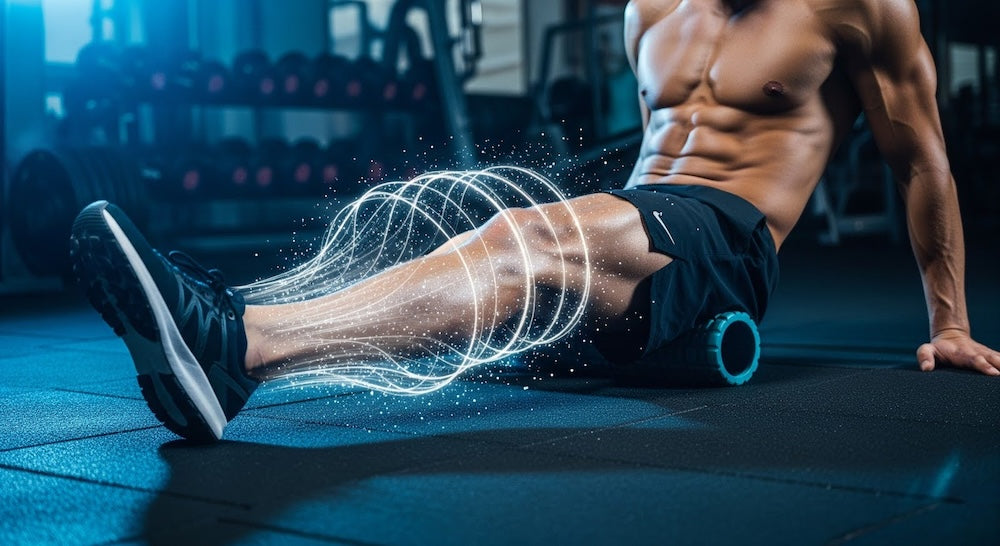
A muscle strain happens when fibres stretch beyond their capacity or tear under sudden or repeated load. Common causes include sprinting, sudden direction changes, heavy lifting, explosive movements, poor warm-up, and fatigue. It affects all areas—from hamstring and calf strain to back, shoulder, neck, or intercostal muscle strain between the ribs.

Muscle strain meaning varies by severity:
- Grade 1: Mild tearing, light discomfort, minimal swelling.
- Grade 2: Moderate tearing, significant pain, weakness, bruising.
- Grade 3: Severe or complete rupture requiring medical assessment.
Recovery matters because untreated muscle strains often lead to:
- Chronic tightness
- Reduced range of motion
- Recurring strains
- Compensatory injuries
- Long-term weakness
- Poor movement mechanics
Your recovery plan should help fibres heal correctly, restore strength, and reduce the chance of future strain. Incorporating smart tools—cold exposure, contrast sessions, sauna heat, mobility, and structured strengthening—creates a long-lasting foundation for performance and everyday movement.
For more in-depth information about how your body repairs micro-tears, restores energy, and adapts so you can come back stronger, read The Science Behind Faster Muscle Recovery
Learn more about performance recovery in Ice Bath Benefits: Research, Testimonials & More
What Is the Fastest Way to Recover From a Muscle Strain?
A fast recovery is not about doing more—it’s about doing the right things in the right order. Use the inverted pyramid structure: immediate essentials → movement → strengthening → ongoing tools.
1. Early Phase (0–48 Hours): Control Swelling & Pain
- Rest the area and avoid painful movement.
- Apply cold therapy (ice pack or cold compression) for 15–20 minutes every 2–3 hours.
- Use light compression with a bandage or sleeve to limit swelling.
- Elevate the affected limb whenever possible.
Cold exposure reduces blood flow and helps limit tissue bleeding in the early inflammatory stage. This is where cold therapy performs at its best.
2. Sub-Acute Phase (After 48–72 Hours): Gently Reintroduce Movement
Once swelling settles, movement becomes the priority.
- Begin gentle mobility—walking, light stretching, slow range-of-motion drills.
- Use low-intensity cardio (cycling, pool walking) to stimulate circulation.
- Continue cold therapy after movement sessions if soreness increases.
This phase prevents stiffness, improves blood flow, and supports the healing of new fibres.
3. Strengthening Phase: Rebuild Power, Balance & Stability
Targeted strengthening protects you from re-injury. A physiotherapist may guide:
- Isometrics (holding tension without movement)
- Controlled eccentrics (slow lowering)
- Light resistance bands
- Gradual return to sport-specific drills
Avoid heavy strength sessions immediately followed by cold plunging, as research shows cold may reduce hypertrophy signalling. Instead, save cold therapy for high-intensity conditioning or soreness days.
4. Long-Term Recovery: Heat, Contrast & Consistent Loading
Once pain is manageable:
- Use heat therapy or sauna to improve blood flow and muscle relaxation.
- Add contrast therapy (hot–cold cycles) to reduce stiffness and support circulation.
- Continue strengthening, mobility, and sleep regulation for full recovery.
For more in-depth information about how your body repairs micro-tears, restores energy, and adapts so you can come back stronger, read The Science Behind Faster Muscle Recovery
How Does Cold Therapy Help Muscle Strain Recovery?
Cold therapy is one of the most researched modalities for early soft-tissue injuries and post-exercise recovery, with systematic reviews showing benefits for pain, swelling, and performance recovery. Scientific findings show measurable improvements in:
1. Acute-Phase Injury Control
Cold reduces:
- Swelling
- Pain
- Inflammatory signalling
- Tissue bleeding
- Nerve conduction (leading to pain relief)
The first 24–48 hours of an injury involve inflammation, cell damage, and micro-bleeding. Cooling reduces metabolic demand and slows excessive inflammation, protecting healthy tissue.
2. Performance Recovery After Heavy Training
Cold-water immersion has repeatedly shown benefits such as:
- Lower muscle soreness (DOMS)
- Lower creatine kinase (CK), a marker of muscle damage
- Faster power recovery (e.g., jumps, sprints)
- Improved perceived readiness and reduced fatigue
- Reduced lactate accumulation
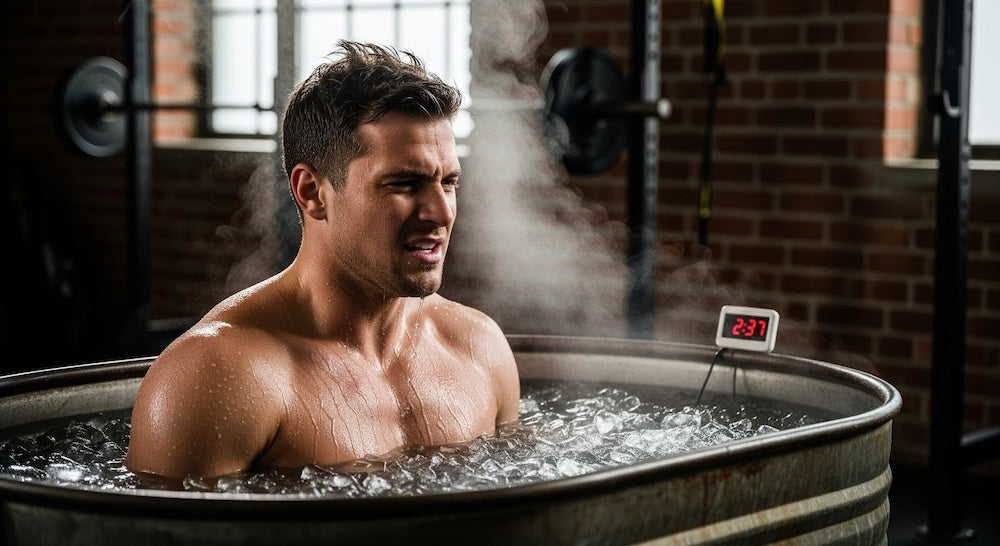
These findings explain why athletes use cold plunges during tournament weeks or during high-frequency training blocks. For a deeper breakdown of how cold immersion targets soreness and fatigue, read Cold Immersion Explained: How Ice Baths Reduce Muscle Soreness and Fatigue.
3. Mental and Systemic Benefits
Cold exposure increases dopamine and norepinephrine, linked with:
- Better mood
- Better stress control
- Improved alertness
- Stronger response to physical discomfort
- Enhanced focus
Though not specific to strain tissue, these benefits support discipline and consistent recovery habits. Want the full breakdown?
Read What Ice Baths Really Do For Your Body and Mind.
When Should You See a Physio or Doctor?

Seek help if you experience:
- Severe pain, bruising, or swelling
- A popping sensation at the moment of injury
- Inability to walk, lift, or take a full breath
- No improvement after 7–10 days
- Pain that interferes with sleep or daily function
- Suspected rib involvement in intercostal strains
Special Case: Intercostal Muscle Strain Recovery
Intercostal strains affect the muscles between your ribs, usually from heavy lifting, hard coughing, twisting, rowing, or sudden upper-body rotation. Common signs:
- Sharp pain on breathing in or out
- Pain with trunk rotation
- Discomfort when coughing or sneezing
- Tenderness between the ribs
First 48 hours:
- Short ice applications to ease pain
- No tight wrapping around the chest (can restrict breathing)
- Gentle diaphragmatic breathing drills
Seek medical assessment if breathing becomes difficult, or if there is concern about rib fracture or lung involvement.
When Should I Use Cold Therapy vs Heat for Muscle Strain?
Cold and heat both have their place—but at different stages.
Cold Therapy (0–48 Hours): Best for the Acute Phase
Use cold in early recovery to:
- Minimise swelling
- Reduce inflammation
- Manage pain
- Limit tissue damage
Best methods:
- Ice packs
- Cold compression sleeves
- Short, controlled cold plunges (for people already accustomed)
Heat Therapy (After 48–72 Hours): Best for Circulation & Relaxation
Once swelling has dropped, heat becomes more useful. It helps to:
- Increase blood flow
- Relax tight muscles
- Improve flexibility
- Ease chronic tension
Common heat sources:
- Warm showers
- Heating pads
- Infrared heat
- Sauna sessions—a favourite for athletes to improve circulation and relaxation.
Read The Benefits of Sauna: For Men, Women, & Types of Saunas to learn how to use sauna safely, how often to go, and how to combine it with cold therapy for deeper, longer-lasting relief.
Contrast Therapy (Later Phases): Best for Stiffness & Mobility
Once the acute swelling is gone, contrast therapy (hot–cold cycles) becomes useful for whole-body recovery, not just the injured muscle. A simple contrast block looks like:
- 3–10 minutes of heat (sauna or warm shower)
- 1–3 minutes of cold (plunge or cold shower)
- Repeat the hot–cold cycle 2–4 times
This approach helps to:
- Boost circulation and fluid movement
- Improve joint mobility and comfort
- Support tissue nutrition and recovery
- Reduce the feeling of heaviness, fatigue, and stiffness
Most athletes use contrast therapy on days where stiffness, aches, or whole-body fatigue build up—but there is no active inflammation or fresh swelling. Want a step-by-step breakdown? Read Contrast Therapy: Benefits, How It Works & How To Do Guide for exact timings, temperature ideas, and practical protocols you can copy at home.
How Does Cold Plunge Fit Into Muscle Strain Recovery?
Cold plunges should support—not replace—rehab and movement. The key is timing.
A cold plunge helps you manage the early inflammation and soreness that come with a muscle strain, but its value doesn’t stop there. Once the acute phase passes, cold immersion becomes a tool for overall recovery, not just injury care.
Many people continue cold exposure to manage training fatigue, reduce whole-body soreness, improve sleep quality, and build better stress tolerance—all factors that indirectly speed up muscle strain recovery.

Cold Plunge in the First 24–48 Hours
Only use short sessions (2–5 minutes, 10–15°C) if you already tolerate cold well and there is no severe swelling or bruising. Most people should stick to localised ice during the first 24 hours.
Cold Plunge After Workouts (Non-Acute Strains)
Cold water immersion (CWI) is effective for:
- DOMS
- High-intensity conditioning recovery
- Soreness after field sessions
- Tournament environments
- Back-to-back training days
Typical protocol:
- 10–15°C
- 5–10 minutes
- Right after high-intensity training sessions
- Avoid immediately post-strength training if muscle growth is the priority
Cold Plunge as a Long-Term Recovery Tool
Many users report improvements in:
- General soreness
- Sleep quality
- Stress reduction
- Resilience and mental clarity
- Pain perception
- Recovery routine consistency
Pairing cold plunges with sauna and contrast therapy creates a full recovery loop for athletes, gym-goers, and wellness-focused individuals.
Read Mind and Body in Harmony: The Psychological and Physiological Benefits of Contrast Therapy to see how combining sauna and cold plunge can boost mood, reduce stress, and support deeper, more sustainable recovery.
Cold Plunge, Contrast Therapy & Sauna: How They Work Together
A balanced recovery system can combine cold plunge, contrast therapy, and sauna. A simple contrast routine looks like this:
- Start with heat (sauna or warm shower) for 5–10 minutes
- Move into cold (plunge or cold shower) for 1–3 minutes
- Repeat this hot–cold cycle 2–4 times
- For recovery and inflammation control, most people finish on cold; for pre-bed relaxation, some prefer to finish on warm
Used this way, each tool plays a clear role:
Cold Plunge: Reduce Damage & Soreness
- Best for inflammation control
- Ideal for soreness spikes
- Helps with tournament-style fatigue
- Supports high-frequency training blocks
Contrast Therapy: Improve Circulation & Mobility
- Rapid temperature shifts improve vascular response
- Helps mobilise fluid around stiff joints
- Supports tissue nutrition
- Ideal in later recovery phases
Sauna: Relaxation, Sleep & Circulation
Sauna is a powerful tool once the acute injury has passed. Benefits include:
- Reduced muscle tension
- Improved blood circulation
- Better recovery sleep
- Lower stress levels
- Warm-up effect before stretching or mobility

To get started on these healing methods, read Cold Plunge & Sauna Safety in Malaysia’s Climate: A Beginner’s Guide
For a deeper look at how contrast therapy supports both body and mind, read Mind and Body in Harmony: The Psychological and Physiological Benefits of Contrast Therapy.
Building a Simple Home Recovery Setup With Warrior Plunge
Creating a recovery space at home is one of the most effective ways to stay consistent.
1. Choose a Tub
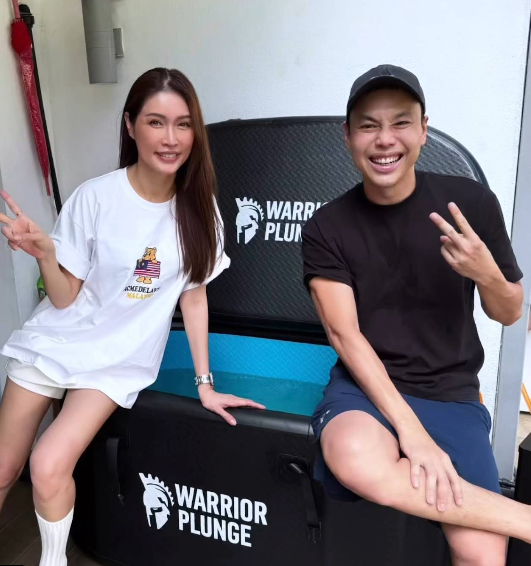
Start with a solid base. Warrior Plunge tubs are durable, insulated, and portable, with options for different spaces and body sizes:
They’re easy to set up and ideal for balconies, small yards, and apartments if you want to begin your cold therapy journey with a simple ice-and-water setup. Ready to go full plug-and-play?
2. Add a Chiller
When you want consistent cold on demand, pair your tub with a Warrior Plunge chiller. Our units cool water down to 2–5°C, run quietly, and are supported by a local service team. Just connect, set your temperature, and plunge. Choose from:
- Warrior Plunge Mini – compact footprint, great for smaller tubs and spaces
- Warrior Plunge V1 Ice Bath – everyday home use
- Warrior Plunge V4 Ice Bath – higher cooling power for frequent plungers
- Warrior Plunge Lux Ice Bath – premium finish and performance
- Warrior Plunge Classic Ice Bath – proven workhorse for regular recovery use
3. Add Heat for Contrast & Recovery
Turn your cold plunge into a full recovery circuit by adding heat. Pair your tub with a home sauna—classic or steam—to:
- Loosen tight muscles before stretching
- Boost circulation after training
- Wind down before sleep
- Create hot–cold contrast sessions at home
Heat + cold gives you more ways to recover: cold for inflammation and soreness, heat for relaxation and mobility.
Check out Warrior Home Saunas for your ultimate muscle strain recovery.
4. Build Your Routine
A typical weekly plan for active individuals:
- Strength & mobility: 3–4×/week
- Cold plunge: 2–4×/week
- Sauna or contrast: 1–3×/week
- Rest days: cold plunge if sore, heat if stiff
Conclusion – Recover Faster by Using Cold Therapy at the Right Time
Muscle strain recovery works best when you follow a clear, phased plan: control inflammation early, then move, strengthen, and maintain. Cold therapy plays a major role in the first stage, helping reduce swelling, limit tissue damage, and manage pain so you can transition smoothly into movement and rehab.
As your strain heals, tools like sauna, heat, and contrast therapy support circulation, flexibility, and long-term mobility.
Whether you’re dealing with a mild strain, ongoing soreness, or want to stay consistent with your recovery routine, building a simple setup—like a Warrior Plunge Ice Bath paired with a Sauna—makes it easier to accelerate muscle strain recovery and stay disciplined in your post-workout recovery.

Browse our ice baths & chillers, and saunas, or contact us for personalised recommendations.
FAQs on Muscle Strain Recovery & Cold Therapy
How does cold therapy help muscle strain recovery?
Cold therapy reduces swelling, pain, and inflammation in the early phase. It also lowers muscle soreness and improves power recovery after heavy training.
When should I use ice or cold therapy for a muscle strain?
Use cold therapy during the first 24–48 hours or after activities that flare up soreness. After inflammation settles, prioritise movement and heat.
Can cold therapy reduce muscle soreness after injury?
Yes. Research consistently shows cold-water immersion reduces DOMS and improves perceived recovery.
How long should I apply cold therapy?
- Ice packs: 15–20 minutes, spaced throughout the day
- Cold plunge: 5–10 minutes at 10–15°C, depending on tolerance
What are the benefits of combining cold therapy with compression?
Compression enhances swelling control, supports venous return, and improves comfort during the acute phase.
Is cold therapy better than heat therapy early on?
Cold therapy is best for the first 48 hours. Heat should only be introduced once swelling decreases.
Can cold therapy prevent chronic muscle pain or stiffness?
Regular cold exposure helps manage soreness, reduces tension, and supports better sleep—all contributing to reduced chronic tightness.
Are there any risks with cold exposure?
Avoid direct ice on bare skin and extremely long sessions. People with heart disease, Raynaud’s, or cold sensitivity should get medical advice first.
Where can I buy an ice bath tub?
You can explore our Warrior Plunge Tubs Collection and choose a setup that fits your home, training load, and recovery goals. Contact us anytime for personalised guidance.
Read more
Discover how muscles recover, what causes soreness, and science-backed ways to speed up post-workout recovery in Malaysia.
Discover why cold plunge therapy is exploding in Malaysia’s fitness scene, its science-backed benefits, and how to get started at gyms or at home.