




Active Recovery vs Passive Recovery: What Actually Works for Endurance Athletes
Key Takeaways
- Active recovery and passive recovery play different roles and work best when used intentionally, not interchangeably.
- Low-intensity movement improves blood flow, supports lactate clearance, and reduces stiffness after endurance training.
- Passive recovery supports glycogen replenishment, nervous system reset, and overall fatigue management.
- Most endurance athletes perform better by combining both methods across the training week.
- Cold therapy complements active recovery by reducing inflammation and heat stress without adding training load.
- Heat exposure supports relaxation and circulation but must be timed carefully, especially in humid climates.
- High-volume training weeks require smarter recovery choices, not simply more rest.
- In hot, humid environments like Malaysia, recovery strategies must account for heat stress and dehydration.
- Used correctly, cold plunge and contrast therapy help endurance athletes train consistently without accumulating fatigue.
What Is the Difference Between Active Recovery and Passive Recovery?
For endurance athletes, recovery isn’t something that happens after training. It determines whether the next session feels smooth or sluggish.
Active recovery involves low-intensity movement that keeps blood flowing without adding meaningful stress. Passive recovery involves stepping away completely so the body can restore energy and reset neurologically.
Common examples include:
- Active recovery: easy walking, light cycling, gentle swimming, mobility work, Zone 2 sessions
- Passive recovery: rest days, extended sleep, inactivity
Most athletes don’t struggle because they choose the wrong one. They struggle because they use the right tool at the wrong time.
Why Recovery Strategy Matters More Than Training Volume
Endurance fatigue doesn’t arrive all at once. It builds quietly across days—sometimes weeks—before performance drops.
Long runs, interval sessions, and steady mileage all draw from the same recovery reserves. When recovery can’t keep up, athletes often notice:
- Heavier legs despite stable fitness
- Slower bounce-back between sessions
- Reduced motivation that feels mental but isn’t
This is where the recovery strategy becomes more important than simply adding or removing workouts.
If training keeps feeling harder than it should, the issue is often recovery alignment rather than effort.
How Active Recovery Supports Endurance Performance
Active recovery works by keeping the body moving without extending fatigue.
Low-intensity movement supports recovery by:
- Increasing blood flow and nutrient delivery
- Supporting lactate clearance after harder sessions
- Reducing stiffness and maintaining range of motion
This is why many endurance athletes feel better after light movement than after complete inactivity—especially following interval training.
Active recovery also helps reduce delayed onset muscle soreness (DOMS) and maintain movement quality between sessions.
If soreness keeps interrupting your training rhythm, this breakdown explains how to shorten recovery without skipping sessions: From DOMS to Daily Training: How to Shorten Muscle Recovery Time
When Passive Recovery Works Better Than Active Recovery
Despite the benefits of movement, passive recovery remains essential.
Passive recovery works best when:
- Overall fatigue is high
- Sleep quality has declined
- Glycogen stores need replenishment
- The nervous system feels overstimulated
During marathon training or heavy triathlon blocks, full rest days allow deeper recovery that light movement alone may not provide.
Many endurance athletes stall not because they rest too much, but because they rely on rest alone when more targeted recovery is needed.
Active Recovery vs Passive Recovery: When Each Works Best

Here’s a clear comparison showing when active recovery or passive recovery is most effective, based on training load, fatigue level, and recovery demands.
| Recovery Situation | Active Recovery Works Best | Passive Recovery Works Best |
| Day after easy or moderate training | Light movement (easy cycling, jogging, swimming) helps maintain blood flow and reduces stiffness without adding stress | Not necessary unless fatigue is unusually high |
| Between back-to-back endurance sessions | Low-intensity movement supports circulation and helps athletes feel ready for the next session | Can leave muscles feeling heavy or sluggish |
| After long endurance sessions (runs, rides, races) | Gentle active recovery later in the day or the next morning may reduce stiffness once inflammation settles | Short periods of rest immediately after training help calm the nervous system |
| High heat and humidity fatigue | Often limited benefit if core temperature and dehydration remain elevated | Rest combined with cooling strategies (cold plunge, hydration, shade) supports recovery |
| Severe muscle soreness (DOMS) | May increase discomfort if soreness is intense or inflammation is still high | Allows tissues to recover without added mechanical load |
| Nervous system overload (poor sleep, irritability, low motivation) | Can prolong stress if intensity isn’t carefully controlled | Full rest supports nervous system down-regulation |
| Injury risk or joint pain | Risky if movement quality is compromised | Safer option during flare-ups or joint stress |
| During taper or race week | Short, controlled sessions maintain rhythm without fatigue | Overuse may lead to stiffness or loss of readiness |
| Immediately post-race or ultra-endurance event | Best delayed until soreness and inflammation reduce | Most effective in the first 24–48 hours |
| Busy schedules and accumulated fatigue | Can add hidden training load if not truly easy | More practical and restorative when energy is low |
Active Recovery vs Rest Days: What Runners and Triathletes Should Know
For runners and triathletes, a “rest day” doesn’t always mean doing nothing.
Most perform best with a mix of:
- One full rest day per week
- One or two active recovery days
- Strategic recovery after key sessions
Active recovery days can replace complete rest when fatigue is manageable, while passive recovery becomes essential when training load peaks.
The most effective recovery plans blend both approaches rather than committing to one philosophy year-round.
Key Takeaway for Endurance Athletes
Active recovery helps once the body has cooled down and inflammation has settled. Passive recovery works best when heat stress, soreness, or nervous system fatigue is still high—especially in tropical climates.
Many endurance athletes use passive recovery first, then transition to light active recovery as stiffness decreases and readiness improves.
Find out the 10 Challenges Runners & Cyclists Face & What’s Really Causing Them
Why Passive Rest Alone Can Stall Recovery in Hot, Humid Climates
In hot, humid environments like Malaysia, recovery behaves differently.
Heat stress keeps core temperature elevated even after training ends. High humidity impairs sweat evaporation, slowing the body’s ability to cool itself. As a result, athletes may wake up still feeling heavy or stiff despite resting well.
This is why passive rest alone often falls short in tropical climates.
Without active cooling or circulation support, the body remains in a stressed state longer, delaying recovery compared to cooler environments.
Learn more about Why Muscle Recovery Takes Longer in Hot, Humid Climates
How Cold Therapy Complements Active Recovery
Cold therapy supports recovery without adding physical load.
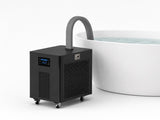
Cold plunge therapy helps by:
- Reducing inflammation
- Accelerating heat dissipation
- Helping the nervous system exit a stressed state
For endurance athletes, cold therapy pairs well with active recovery because it enhances recovery without interfering with movement or adding training stress.
This is why cold plunging has become common among runners and cyclists preparing for major events in Malaysia. Post Marathon Recovery Trend in Malaysia: Cold Plunge Benefits for Runners & Cyclists
While cold therapy focuses on bringing the body out of a heat-stressed state, recovery doesn’t stop at cooling alone. Once excess heat is reduced, circulation and relaxation become the next priority—this is where heat exposure and contrast therapy come into play.
To see how cold therapy fits alongside heat exposure and movement-based recovery, this guide connects the full picture: Is Cold Plunge & Contrast Therapy Worth It in 2026?
Where Heat Exposure Fits Into Recovery (and When to Avoid It)
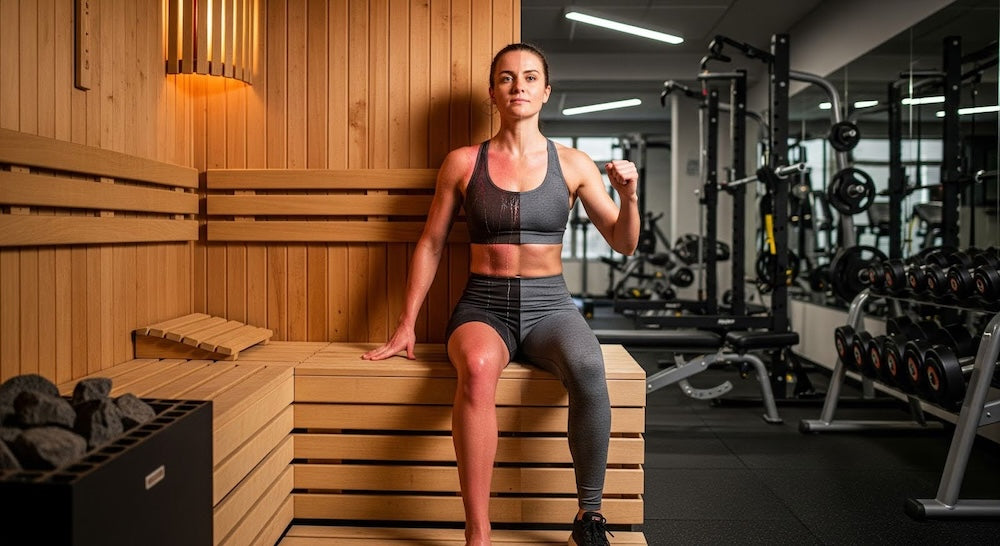
Heat exposure, such as sauna use, supports recovery differently from cold therapy.
When applied at the right time, heat can:
- Promote muscle relaxation
- Improve circulation and blood flow
- Encourage parasympathetic (calming) nervous system activity
However, heat is not universally beneficial—especially immediately after hard training in hot, humid conditions. Adding heat too soon can extend heat stress, keep core temperature elevated, and delay recovery rather than speed it up.
The Right Way to Use Heat Therapy in Humid Climates
For endurance athletes training in Malaysia, heat exposure works best when:
- Core temperature has already come down
- Training intensity that day is low or moderate
- The goal is relaxation rather than rapid recovery
This is why many athletes avoid standalone sauna sessions right after intense workouts and instead use contrast therapy.
Why Contrast Therapy Works Better Than Heat Alone
Contrast therapy alternates heat and cold to balance two recovery needs:
- Heat improves circulation and muscle looseness
- Cold prevents excessive heat accumulation and inflammation
By cycling between the two, athletes can gain the relaxation benefits of heat without staying overheated for long periods. This makes contrast therapy especially useful during multi-day training blocks, competitions, or heavy work weeks in humid environments.
The physiological reasoning behind this approach is explained here: The Science Behind Faster Muscle Recovery
Learn more about Contrast Therapy: Benefits, How It Works & How To Do Guide
Cold Plunge vs Walking vs Rest: A Practical Comparison
Each recovery method serves a different role:
- Walking or light movement: improves circulation and reduces stiffness
- Rest days: restore energy and support deep recovery
- Cold plunge therapy: reduces inflammation and heat load
Rather than choosing one, endurance athletes benefit from combining these methods strategically across the week.
High-Volume Training Weeks: How to Combine Recovery Methods
During high-volume weeks, recovery becomes proactive rather than reactive.
A balanced approach often includes:
- Active recovery days to maintain circulation
- Cold therapy to manage inflammation and heat stress
- Occasional passive rest to reset energy systems
- Heat exposure used sparingly and intentionally
Many athletes struggle during these weeks not because of training load, but because recovery choices don’t match demand.
How Warrior Plunge Fits Into Smarter Active Recovery
For endurance athletes training in humid climates, consistency matters more than extremes.
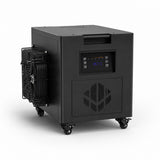
Warrior Plunge cold plunge systems support active recovery by:
- Providing consistent temperature control
- Allowing immediate post-training cooling
- Removing the need for ice buying or travel
Used alongside walking, mobility, and structured rest, cold plunge therapy becomes a practical recovery tool rather than a standalone solution.
If you’re unsure how cold plunge therapy fits into your current training and recovery routine, consult with Warrior Plunge to understand the right setup, timing, and usage for your goals and environment.
If you’d like a more hands-on understanding before committing, you can also visit a Warrior Plunge showroom to experience the systems and ask questions in person.
Explore Warrior Plunge Cold Plunge Systems today!
Final Takeaway: What Actually Works for Endurance Athletes
Active recovery and passive recovery aren’t opposing strategies. They’re complementary tools.
Endurance athletes perform best when recovery choices match training load, environment, and overall fatigue. In hot, humid climates, recovery often requires more than rest alone.
If recovery keeps lagging behind effort, the next step isn’t pushing harder. It’s making recovery easier to access and more reliable.
A home cold plunge setup removes common friction—ice runs, scheduling, travel—so recovery fits naturally into your routine.
- Explore Warrior Plunge Cold Plunge Systems
- Visit a Warrior Plunge Showroom to experience it firsthand
When recovery is simple and consistent, training becomes easier to sustain—and that’s what keeps endurance athletes progressing week after week.
FAQs: Active Recovery vs Passive Recovery
Is active recovery better than rest for endurance athletes?
Neither is universally better. Active recovery supports circulation, while rest supports deep recovery. Most athletes need both.
When should endurance athletes take full rest days?
During periods of high fatigue, poor sleep, or heavy training blocks where recovery lags behind load. During demanding training blocks, cold plunge sessions can help manage soreness between rest days—but should never replace full recovery when fatigue is high.
Learn how athletes use cold plunge alongside rest days
Does walking really help muscle recovery?
Yes. Low-intensity walking improves blood flow and reduces stiffness without adding stress.
Can cold plunges replace rest days?
No. Cold therapy complements recovery but does not replace the need for rest.
Is heat good or bad for recovery?
Heat supports relaxation, but combining heat with cold exposure helps prevent prolonged soreness in hot climates.
How often should athletes use cold therapy during training?
Recovery frequency should match training load, soreness, and fatigue levels—rather than fixed routines. Learn how cold therapy supports muscle strain recovery and when to apply it within a training week. Read: How To Speed Up Muscle Strain Recovery: Using Cold Therapy and More
Read more
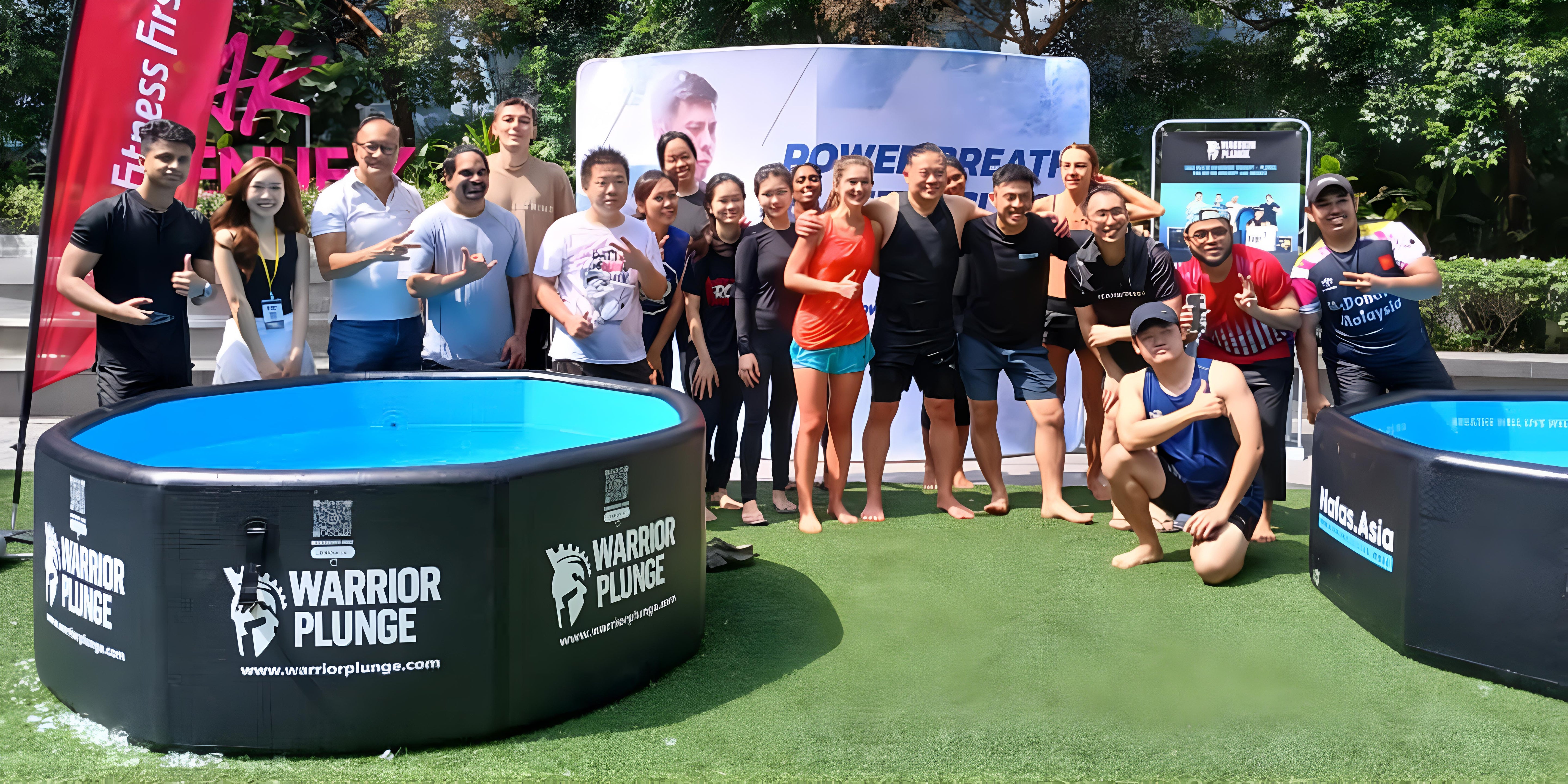
A recovery guide for active Malaysians using cold plunge therapy, ice bath recovery, and contrast therapy to reduce soreness and train consistently.

Learn what causes DOMS and how to shorten muscle recovery time using active recovery, cold immersion, contrast therapy, sleep, and nutrition.