
From DOMS to Daily Training: How to Shorten Muscle Recovery Time
Key Takeaways
- Delayed onset muscle soreness (DOMS) is a normal response to training stress, especially after new, intense, or eccentric workouts.
- Muscle recovery time is influenced by inflammation, tissue repair, nervous system load, hydration, sleep, and nutrition.
- DOMS cannot be eliminated entirely, but its severity and duration can be reduced with smarter recovery strategies.
- Active recovery improves blood flow and waste clearance, helping shorten muscle soreness duration.
- Passive rest supports glycogen replenishment and nervous system recovery but is not always sufficient on its own.
- Cold immersion helps manage inflammation and heat stress, particularly during high-volume training or in humid climates.
- Contrast therapy supports circulation while preventing prolonged soreness.
- A consistent recovery stack allows athletes to train more frequently without accumulating fatigue.
- The goal is not soreness avoidance, but moving from DOMS-limited training to consistent daily sessions.
Introduction: Why DOMS Becomes a Training Problem
If you train regularly, you’ve felt it before.
You finish a hard session feeling strong, only to wake up the next day stiff, sore, and questioning whether training again is a good idea. Legs feel heavy. Movement feels off. Motivation dips—not because you’re tired of training, but because recovery hasn’t caught up.
This gap between effort and readiness is where most training plans quietly break down. Not from lack of discipline, but from prolonged muscle recovery time caused by delayed onset muscle soreness.
The goal isn’t to eliminate soreness completely. It’s to shorten how long soreness interferes with training—so you can move from DOMS-limited workouts to consistent daily sessions.
That’s exactly what this guide breaks down: what causes DOMS, why recovery time varies, and how to realistically shorten it using a recovery stack that actually works.
What Is Delayed Onset Muscle Soreness (DOMS)?
Delayed onset muscle soreness (DOMS) refers to muscle pain, stiffness, and reduced movement quality that typically appears 12–72 hours after unfamiliar or intense exercise.
DOMS is most commonly triggered by:
- Eccentric muscle contractions (for example, downhill running or lowering weights)
- Sudden increases in training volume or intensity
- New movement patterns or training stimuli
At a tissue level, DOMS is associated with micro-damage to muscle fibres and the inflammatory response that follows. This process supports adaptation—but it also increases muscle recovery time if not managed properly.
How DOMS Directly Affects Muscle Recovery Time
DOMS is more than discomfort. It changes how you move and how often you train.
When soreness is high:
- Force production drops
- Coordination and efficiency decline
- Athletes subconsciously alter movement patterns
- Injury risk increases when training through pain
This is why DOMS often leads to missed sessions, shortened workouts, or reduced quality—even when motivation is high.
Shortening muscle recovery time means reducing how long DOMS interferes with training, not pretending soreness doesn’t exist.
Why Some Athletes Recover Faster Than Others
Two athletes can complete the same workout and experience very different recovery timelines.
Faster recovery is usually linked to:
- Gradual progressive overload adaptation
- Higher training age and tissue tolerance
- Consistent sleep supporting muscle regeneration
- Adequate protein intake and glycogen restoration
- Effective hydration and electrolyte balance
Recovery speed is rarely about genetics alone. It’s about recovery habits applied consistently over time.
Can You Actually Reduce DOMS — or Only Manage It?
Most athletes ask the wrong question about DOMS.
It’s not “How do I avoid soreness?”
It’s “How do I recover fast enough that soreness doesn’t derail my next session?”
DOMS is part of adaptation. But prolonged DOMS—where soreness dictates training decisions—signals a recovery gap. The goal is to close that gap so training frequency stays intact.
This is where smarter recovery strategies matter more than simply resting longer.
Active Recovery Techniques That Help Reduce DOMS
Active recovery works by improving circulation without adding meaningful stress.

Low-intensity movement helps:
- Increase blood flow to sore muscles
- Support metabolic waste clearance
- Reduce stiffness and protective muscle guarding
Common active recovery techniques include:
- Easy walking or cycling
- Light swimming
- Gentle mobility work
- Low-intensity Zone 2 movement
For endurance athletes, active recovery often shortens muscle soreness duration more effectively than complete rest.
A deeper comparison of when movement outperforms rest is covered here: Active Recovery vs Passive Recovery: What Actually Works for Endurance Athletes
Why Passive Rest Alone Can Prolong Soreness
Rest is essential—but complete inactivity can slow recovery when used in isolation.
Without movement:
- Circulation drops
- Waste clearance slows
- Muscles remain stiff for longer
Passive rest works best when:
- Overall fatigue is high
- Sleep quality has declined
- Glycogen stores need replenishment
Many athletes struggle because they rely only on rest when soreness persists, instead of combining rest with targeted recovery tools.
This pattern is common and explored further here: 10 Challenges Runners & Cyclists Face & What’s Really Causing Them
In hot, humid conditions where inflammation and heat linger, cold immersion offers a more direct way to support recovery beyond rest alone.
Cold Immersion and Its Role in Shortening Muscle Recovery Time
An ice bath helps manage inflammation and perceived soreness after intense or novel training.
By immersing the body in cold water (typically 5–15°C) for a short, controlled period, cold immersion:
- Reduces excessive inflammatory signalling
- Accelerates heat dissipation
- Helps the nervous system exit a stressed state
For athletes dealing with heavy legs or lingering soreness, cold immersion can shorten how long DOMS interferes with training quality—especially during high-volume phases.
This is why cold plunging has become common among runners and cyclists preparing for major endurance events in Malaysia. Find out more about: Post Marathon Recovery Trend in Malaysia: Cold Plunge Benefits for Runners & Cyclists
To see how cold immersion fits into a broader recovery system, this guide connects the full picture: Is Cold Plunge & Contrast Therapy Worth It in 2026?
After mechanical stress and inflammation are addressed, recovery quality depends on three supporting pillars: contrast therapy to restore movement quality, nutrition and hydration to repair tissue, and sleep to complete the recovery cycle.
Why Contrast Therapy Helps You Return to Training Sooner
Contrast therapy alternates cold and heat exposure to address two recovery needs:
- Cold limits prolonged inflammation and heat stress
- Heat improves circulation and muscle relaxation
In humid climates, heat alone can extend soreness if applied too early. Contrast therapy prevents this by cycling between the two, allowing circulation benefits without excessive heat accumulation.
This makes contrast therapy especially useful when:
- DOMS lingers beyond expected timelines
- Training spans multiple consecutive days
- Athletes need to feel loose without staying overheated
The physiological reasoning behind this approach is explained here: The Science Behind Faster Muscle Recovery
Physical recovery tools help manage symptoms, but tissue repair still depends on what the body has available to rebuild and rehydrate.
Nutrition and Hydration: Supporting Faster Muscle Healing
Recovery cannot outpace fuel availability.
Key factors that shorten muscle recovery time include:
- Adequate protein intake for tissue repair
- Carbohydrate intake to restore glycogen
- Consistent hydration supporting waste clearance
- Electrolytes for muscle contraction and nerve signalling
Nutrition doesn’t erase DOMS, but poor fueling almost guarantees prolonged soreness. Consistency matters more than supplements.
Even with proper fueling, recovery remains incomplete without sufficient sleep to drive hormonal and tissue repair processes.
Sleep: The Most Underrated Recovery Tool
Muscle regeneration peaks during deep sleep.
Sleep supports:
- Hormonal regulation
- Tissue repair
- Nervous system recovery
- Pain tolerance and coordination
Athletes who consistently sleep poorly experience longer muscle recovery times regardless of training quality.
Improving sleep habits often reduces DOMS more effectively than adding new recovery tools.
Why Muscle Recovery Takes Longer in Hot, Humid Climates
In hot, humid environments like Malaysia, recovery is slowed by environmental stress.
Heat and humidity:
- Impair sweat evaporation
- Keep core temperature elevated
- Extend inflammation
- Increase dehydration and electrolyte loss
This is why athletes training in tropical climates often experience prolonged delayed onset muscle soreness compared to cooler environments.
A deeper breakdown is covered here: Why Muscle Recovery Takes Longer in Hot, Humid Climates
Building a Recovery Stack: From DOMS to Daily Training
No single method shortens muscle recovery time on its own.

Effective recovery stacks combine:
- Active recovery to restore movement
- Ice baths to manage inflammation and heat
- Contrast therapy to support circulation
- Nutrition and hydration for tissue repair
- Sleep to complete regeneration
Together, these tools reduce downtime and support consistent training frequency.
How Warrior Plunge Fits Into Shortening Muscle Recovery Time
Shortening muscle recovery time isn’t about one technique. It’s about removing friction so recovery actually happens—consistently.
For athletes training in hot, humid conditions, Warrior Plunge cold plunge systems support recovery by:
- Delivering reliable, controlled temperatures every session
- Allowing immediate post-training cooling without delay
- Removing the need for ice buying or recovery centre scheduling
When used alongside active recovery, proper rest, and contrast therapy, cold plunge becomes part of a repeatable recovery system—not a once-in-a-while fix.
If you’re unsure how cold immersion fits into your current training load, recovery needs, or home setup, consult with Warrior Plunge to understand the right system, timing, and usage for your routine.
- Explore Warrior Plunge Cold Plunge Systems
- Visit a Warrior Plunge Showroom to experience it firsthand
Final Takeaway: From Soreness-Limited to Training-Consistent
DOMS is part of training. But prolonged soreness doesn’t have to dictate how often—or how well—you train.
Shortening muscle recovery time comes down to managing inflammation, heat stress, and fatigue early, not reacting once soreness has already taken over.
For athletes training in Malaysia, that often means combining movement-based recovery with cooling strategies that counter the environment itself.
When recovery tools are easy to access and simple to use, they stop being optional—and start becoming part of daily training life. That’s what allows consistency to compound into real progress.
FAQs: DOMS and Muscle Recovery Time
How long does DOMS usually last?
DOMS typically peaks between 24–72 hours and resolves within a few days, depending on recovery habits.
Can ice baths reduce DOMS faster?
Cold immersion can reduce perceived soreness and inflammation, helping athletes return to training sooner.
Is it okay to train with sore muscles?
Yes, if soreness does not alter movement quality or increase injury risk. Active recovery is often preferred.
Does stretching help DOMS?
Light mobility can reduce stiffness, but aggressive stretching may worsen soreness.
How much sleep is needed for muscle recovery?
Most athletes benefit from 7–9 hours per night, with consistency being key.
Should beginners use cold immersion?
Yes, when applied conservatively with moderate temperatures and short exposure times.
Read more
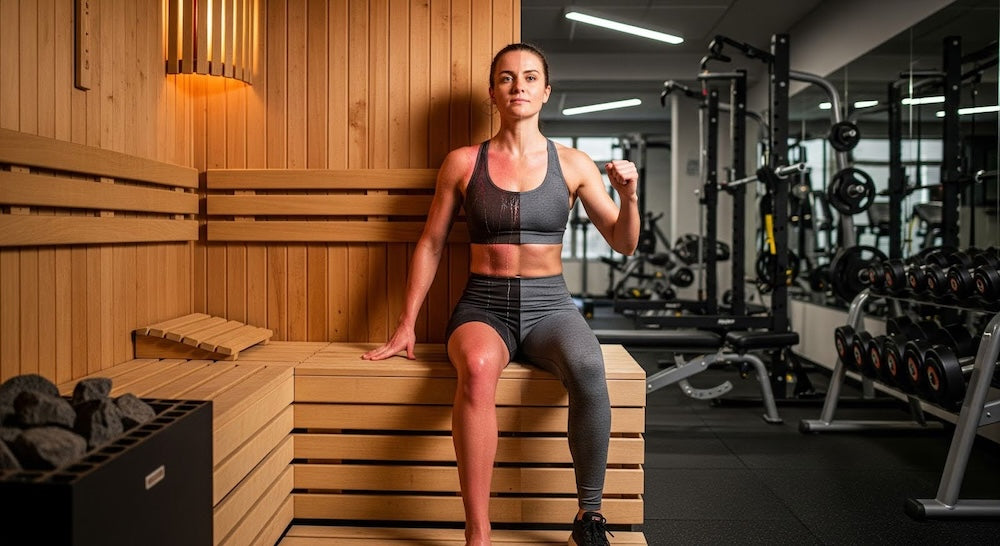
Active recovery vs passive recovery explained for endurance athletes. Compare walking, rest, cold therapy, and heat to recover faster and train consistently.
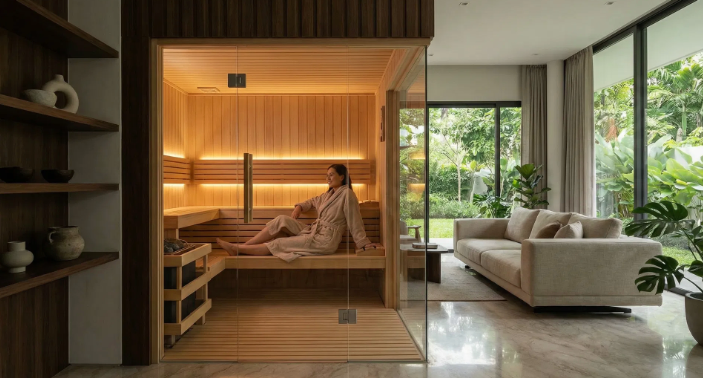
Compare dry and wet saunas, understand how humidity affects heat exposure, and learn which option suits recovery, comfort, and home use in Malaysia.