
Is Cold Plunge & Contrast Therapy Worth It in 2026?
A Practical Recovery Guide for Active Malaysians
Key Takeaways
-
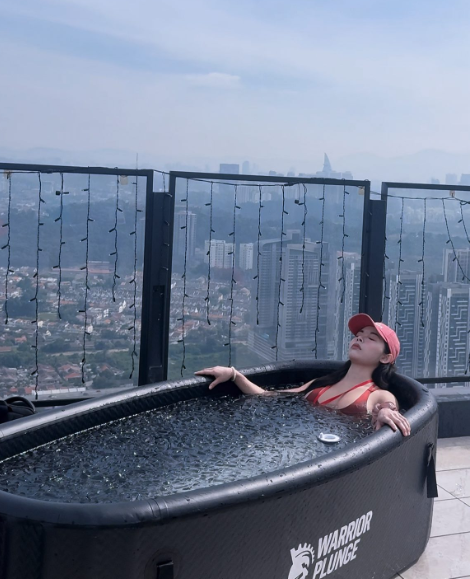
Cold plunge therapy in Malaysia is increasingly used by runners, cyclists, gym-goers, and active professionals to recover faster between training sessions.
-
In Malaysia’s hot and humid climate, muscle recovery often takes longer due to heat stress, dehydration, and lingering inflammation.
-
Ice bath recovery helps reduce post-workout soreness and supports readiness for the next session, especially after long or intense training.
-
Contrast therapy—alternating sauna and cold plunge—supports circulation, relaxation, and perceived recovery during demanding training weeks.
-
Athletes increasingly treat cold plunging as part of sustainable performance, not an extreme practice.
-
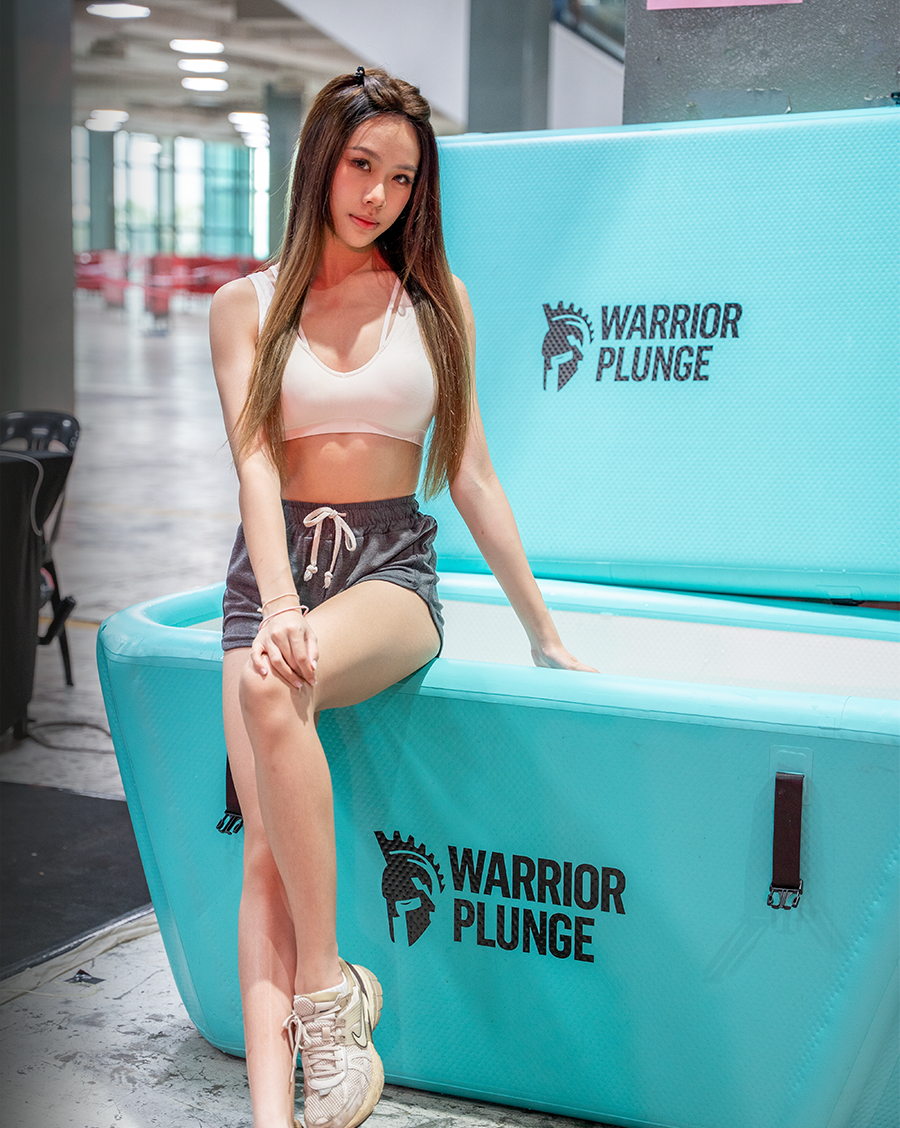
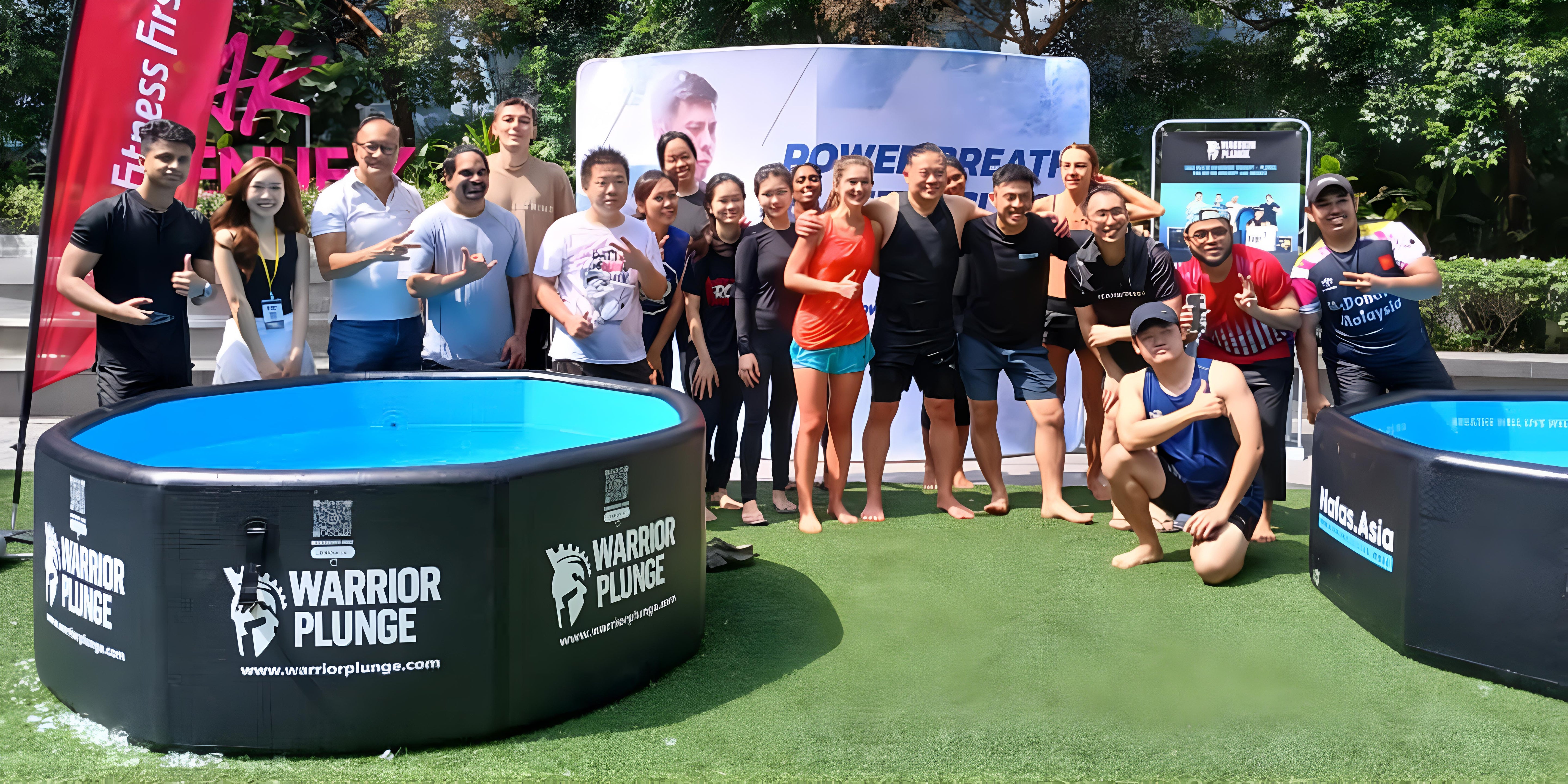
With Warrior Plunge’s home cold plunge systems now widely available, structured recovery has become more practical and easier to sustain for active Malaysians balancing work, training, and daily life.
Why Are More Active Malaysians Using Cold Plunge Therapy in 2026?
Cold plunge therapy Malaysia searches continue to rise because recovery—not training—is now the main limiter of progress.
Most active Malaysians already know how to train. What’s harder is recovering well enough to show up again without carrying soreness, stiffness, or fatigue into the next session. This becomes even more apparent during busy work weeks or high-volume training phases.
Across gyms, running clubs, and endurance communities, ice bath recovery is no longer seen as extreme. It’s increasingly used as a practical tool to reduce downtime, manage soreness, and maintain consistency.
If you’re new to ice baths or want a clearer breakdown of how cold immersion works, when to use it, and what actually matters for recovery, read this guide that explains the fundamentals clearly: Cold Immersion Explained: How Ice Baths Reduce Muscle Soreness and Fatigue
Why Does Muscle Recovery Take Longer in Malaysia’s Hot, Humid Climate?
In Malaysia’s hot and humid climate, recovery doesn’t end when training stops.
Heat stress keeps core temperature elevated, inflammation lingers longer, and fluid loss continues well into the recovery window. Evening training—common for working adults—can also interfere with sleep quality.
Together, these factors explain why muscle recovery for Malaysian athletes often feels slower than expected, even when training volume stays the same.
When heat keeps the body in a prolonged recovery state, faster cooling becomes a practical advantage. Cold plunge therapy directly addresses this by helping the body reset after training in hot, humid conditions.
What Is Cold Plunge Therapy and How Does It Support Recovery?
Cold plunge therapy involves immersing the body in cold water, typically between 5–15°C, for a short, controlled period.
Full-body immersion creates stronger physiological responses than cold showers, including rapid vasoconstriction and a temporary reduction in inflammatory signalling. This helps the body shift out of a stressed state after intense exercise.
For post workout recovery, Malaysia athletes rely on cold plunging to:
-
Reduce muscle soreness
-
Improve perceived readiness
-
Support quicker return to training
It’s not about numbing pain. It’s about shortening the recovery window so training remains sustainable.
Find out more about real-world outcomes, athlete use cases, and practical takeaways in this in-depth article: Ice Bath Benefits: Research, Testimonials & More
Can Cold Plunging Help Prevent Injuries and Muscle Strains?
Cold therapy supports recovery by helping the body manage inflammation after high-stress sessions.
For muscle recovery, athletes dealing with repeated sprinting, hills, or heavy strength work, cold plunging can reduce strain accumulation when applied correctly.
It doesn’t replace mobility, rehab, or load management—but it supports tissue recovery between sessions.
For recurring tightness or minor strains, cold therapy plays a specific role when used at the right time. Learn How To Speed Up Muscle Strain Recovery: Using Cold Therapy and More
Is Cold Plunge Therapy Worth It for Runners and Endurance Athletes in Malaysia?
For runners training in Kuala Lumpur, Penang, and Johor, recovery often determines race-day performance more than fitness alone. The difference between finishing strong and struggling late in a race is rarely conditioning—it’s how well the body has recovered in the weeks leading up to it.
Popular endurance events in Malaysia demand high weekly mileage, back-to-back long runs, and pacing strategies adapted to heat and humidity. During peak training blocks, it’s not a lack of fitness that stalls progress. It’s the gradual build-up of soreness and fatigue that starts to affect stride efficiency, session quality, and consistency.
This is where cold plunge therapy becomes especially useful for endurance athletes training.
Cold plunge for runners in Malaysia is most commonly used:
-
After long runs that leave legs feeling heavy
-
Following hard interval or tempo sessions
-
During demanding training weeks with limited recovery time
Ice bath recovery helps manage DOMS (Delayed Onset Muscle Soreness) and reduces the “heavy-leg” sensation that can carry into the next workout. When used strategically, it allows runners to maintain training quality without constantly feeling behind on recovery. Read more on From DOMS to Daily Training: How to Shorten Muscle Recovery Time
If soreness is repeatedly disrupting your training rhythm, these strategies break down how to shorten recovery time without sacrificing consistency.
Whether you are a runner, cyclist, HYROX, or CrossFit athlete, recovery often determines race-day performance more than fitness alone. Many now treat cold plunging as part of race preparation—not just post-race recovery. Learn about Post Marathon Recovery Trend in Malaysia: Cold Plunge Benefits for Runners & Cyclists
What Is Contrast Therapy and Why Combine Sauna and Cold Plunge?
Contrast therapy alternates heat exposure (sauna) with cold immersion.
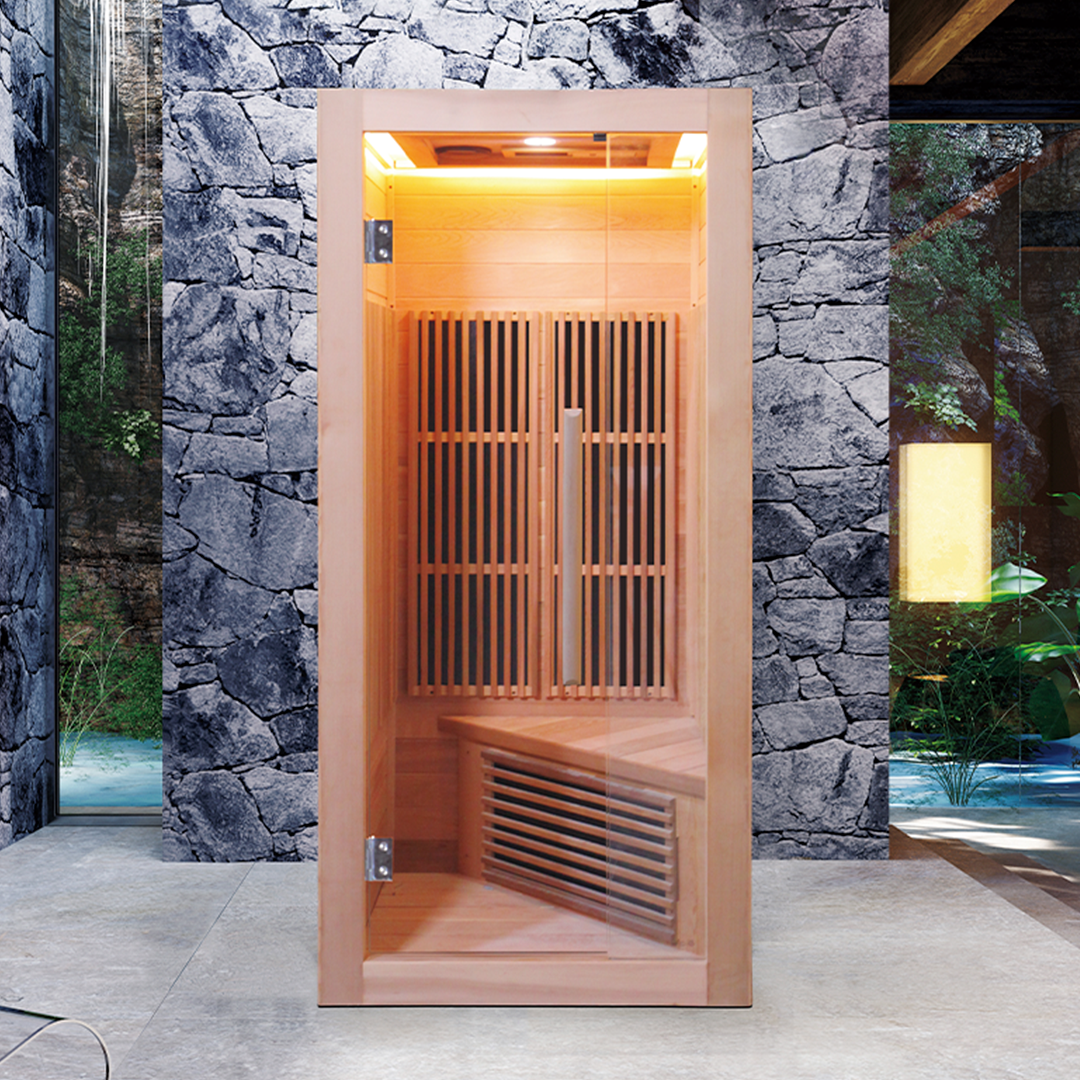
Each has a different role. Sauna promotes circulation, relaxation, and muscle looseness. Cold plunge reduces inflammation and sharpens the recovery response. When combined, sauna and cold plunge, Malaysia athletes use contrast therapy to support recovery without complete rest.

This approach is especially useful during multi-day training or competition periods, when staying loose matters as much as cooling down.
If you’re unsure how to combine heat and cold without overdoing it, this step-by-step guide explains how to apply contrast therapy safely: Contrast Therapy: Benefits, How It Works & How To Do Guide
Cold works best when paired wisely. Learn how sauna and contrast therapy fit into a balanced recovery routine: The Benefits of Sauna: For Men, Women, & Types of Saunas
Cold Plunge vs Contrast Therapy: Which Is Better for Post-Workout Recovery?
Both methods support recovery, but they serve different needs.
Cold plunge therapy is most useful when soreness is high, training intensity was extreme, or turnaround time is short. Contrast therapy is better suited for stiffness, fatigue, and cumulative load across several days.
Many active Malaysians rotate between both depending on training phase and recovery goals. Rest alone isn’t always the answer. This comparison explains when active recovery actually outperforms doing nothing: Active Recovery vs Passive Recovery: What Actually Works for Endurance Athletes
Cold Plunge vs Contrast Therapy: What Works Best in 2026
|
Recovery Goal |
Cold Plunge |
Contrast Therapy (Hot + Cold) |
|
Reduce post-workout soreness |
Highly effective after long runs, rides, gym sessions, and sports |
Effective once soreness begins to settle |
|
Recover in hot, humid conditions |
Quickly lowers body temperature and heat stress |
Helps if heat exposure is controlled and followed by cooling |
|
Back-to-back training days |
Supports faster readiness between sessions |
Useful during multi-day training blocks |
|
Inflammation management |
Strong short-term support after intense or long sessions |
Less targeted for acute inflammation |
|
Nervous system reset |
Sharp stimulus that improves alertness and perceived recovery |
Balances stimulation and relaxation |
|
Mental clarity and stress relief |
Immediate energising effect |
Often more relaxing and grounding |
|
Stiffness and tightness |
May feel intense if muscles are already tight |
Better for easing stiffness and improving mobility |
|
Sleep quality support |
Best earlier in the day or post-training |
Often preferred in the evening |
|
Beginner friendliness |
Requires gradual exposure and safety awareness |
Feels more approachable for most users |
|
Time efficiency |
Very time-efficient (5–10 minutes) |
Requires more time per session |
|
Long-term sustainability |
Best used strategically, not daily for all training |
Easier to maintain as a regular routine |
|
Home setup practicality |
Highly practical with temperature-controlled systems |
Requires both heat and cold access |
How Active Malaysians Use Both in 2026
Cold plunge and contrast therapy are no longer competing methods. Most active Malaysians now use them at different stages of recovery:
-
Cold plunge after intense training, long runs, or heat-heavy sessions
-
Contrast therapy during lighter training weeks, recovery days, or high-stress periods
-
Both as part of a sustainable weekly routine rather than extreme daily exposure
With home cold plunge systems now widely available, recovery is no longer limited to gyms or wellness centres—it fits around work, family, and training schedules.
How to Use Cold Plunge Therapy Safely and Effectively at Home
Cold plunging doesn’t require extremes to be effective.
A practical starting point for most people is:
-
Temperature: 10–15°C
-
Duration: 2–5 minutes
-
Frequency: 2–4 sessions per week
-
Timing: After intense or long workouts
Starting conservatively and adapting gradually reduces unnecessary stress while still delivering real recovery benefits.
If you’re an active Malaysian balancing work, training, and recovery, this is where home cold plunge systems make a difference. By removing the need for daily ice buying or repeated trips to recovery centres, recovery becomes easier to maintain week after week.
Consistency beats intensity. A reliable home setup removes the friction that often breaks recovery habits.
If you’re looking for a dependable system built for regular use, check out Warrior Plunge Cold Plunge Systems — Southeast Asia’s #1 recovery experience.
Home Cold Plunge vs Recovery Centre in Malaysia: Choosing for Consistent Recovery
Recovery centres in Malaysia offer convenience and professional supervision for occasional use. Home cold plunge systems offer something different: consistency.
For active Malaysians balancing work, training, and recovery, having access at home often leads to better adherence and better long-term results.
When recovery fits your schedule, training becomes easier to sustain week after week. Explore Warrior Plunge Cold Plunge Systems now.
The 2026 Reality: Practical Recovery for Malaysia’s Climate
Cold plunge therapy in Malaysia isn’t about trends or extremes. It’s about solving a real problem: slow recovery in a demanding climate.
For runners, athletes, and active professionals, cold plunge and contrast therapy support consistent training by reducing downtime and managing soreness—without relying on guesswork or extreme protocols.
If you’re exploring whether cold plunging fits your routine, the next step is choosing a setup you can actually maintain. Home systems remove the friction that often stops recovery habits from sticking.
To understand what’s involved—from system types to space requirements—explore the Warrior Plunge Cold Plunge Systems range. For a hands-on experience, visiting a Warrior Plunge showroom allows you to see, feel, and ask questions before committing.
Recovery works best when it’s consistent. The easier it is to use, the more likely it becomes part of your training life.
FAQs: Cold Plunge & Contrast Therapy in Malaysia
Is cold plunge therapy safe in Malaysia’s climate?
Yes, when temperature and exposure time are controlled. Beginners should start conservatively.
How often should runners use ice baths?
Most runners benefit from two to four sessions per week during heavy training phases.
Can I combine sauna and cold plunge weekly?
Yes. Many athletes alternate based on soreness, stiffness, and training load.
Is cold plunge suitable for beginners?
Yes, provided temperatures are moderate and exposure time is short.
Does cold plunge replace stretching or mobility work?
No. It supports recovery but should complement movement-based recovery.
Baca selengkapnya
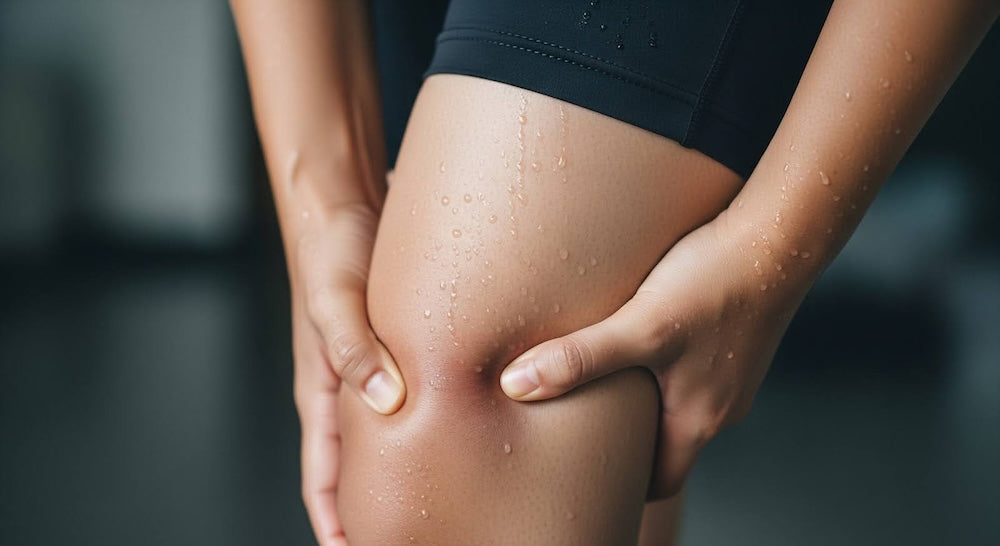
Learn why muscle recovery slows in hot, humid climates and how cold plunge and contrast therapy help counter heat stress and prolonged soreness.
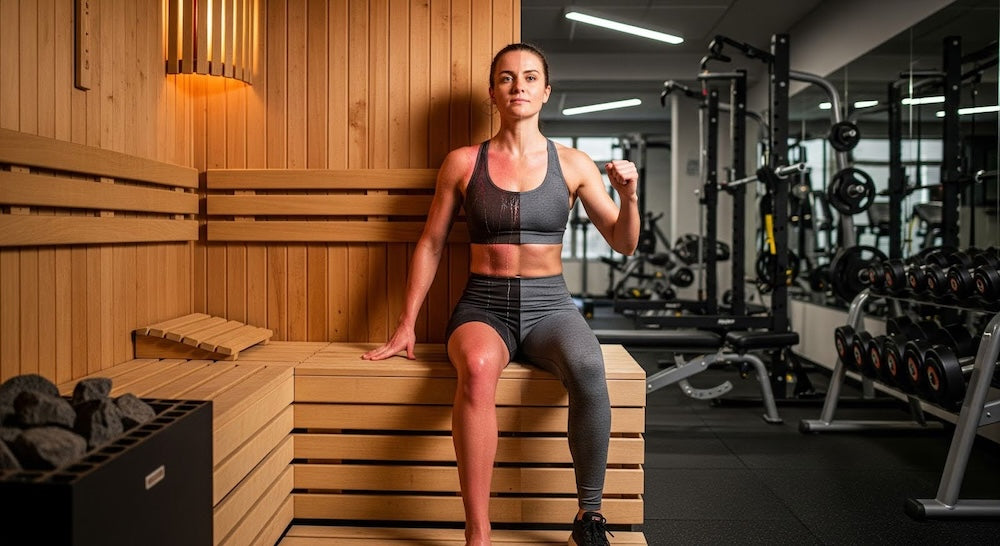
Active recovery vs passive recovery explained for endurance athletes. Compare walking, rest, cold therapy, and heat to recover faster and train consistently.