
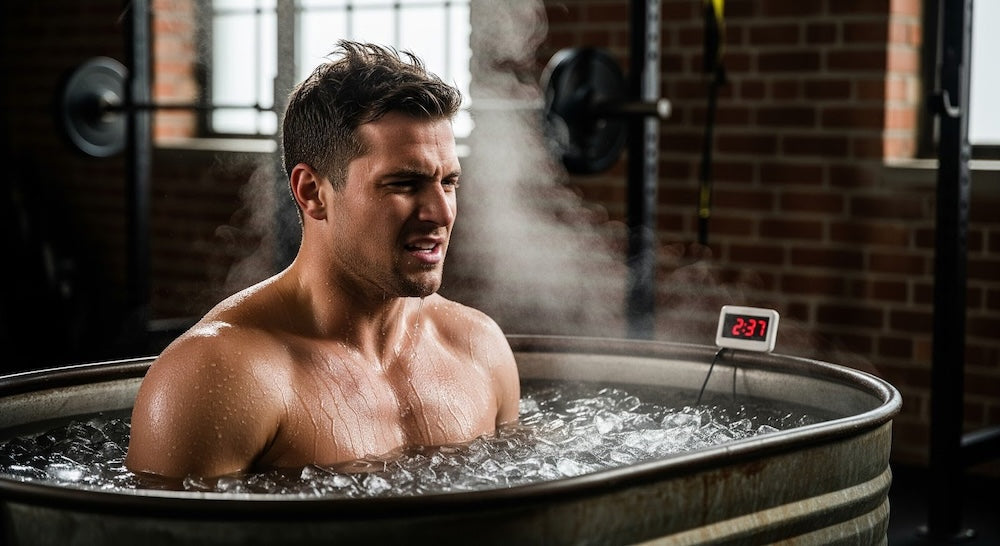
Beyond the Burn: Ice Bath & Sauna Benefits for Mental Health
Key Takeaways
- Cold water immersion, when done safely and consistently, can help lower perceived stress, lift mood, and support better sleep and overall quality of life in healthy adults.
- Cold exposure triggers norepinephrine, dopamine, endorphins, and other neurochemicals linked to alertness, motivation, and emotional regulation—key factors for mental health and resilience.
- Regular sauna bathing is associated with lower rates of depression, improved relaxation, and reduced risk of some mental disorders in long-term observational studies.
- Heat-based therapies like whole-body hyperthermia show promising antidepressant effects in clinical trials, supporting sauna as a meaningful adjunct tool for mood support.
- Combining sauna and ice bath (contrast therapy) may enhance relaxation, alertness, and perceived mental clarity by cycling the nervous system between calm and activation.
- These tools support mental health but do not replace therapy, medication, or medical advice—especially in clinical depression, bipolar disorder, or high-risk conditions.
- For results you can maintain, consistency matters—and that’s easiest with a setup you can count on week after week.
What’s the Quick Answer – Is an Ice Bath Good for Mental Health?
Short answer: an ice bath can be good for mental health for many healthy adults, as long as it is safe, intentional, and part of a bigger mental wellness plan—not a standalone “fix.”
Cold water immersion (CWI) and cold plunges have been linked with:
- Reduced perceived stress and anxiety
- Improved mood and energy
- Better sleep and overall life satisfaction in some groups
Cold water triggers a strong physiological “wake up” response—fast breathing, increased heart rate, and a rapid spike in stress hormones—followed by a rebound that often feels calm, clear, and grounded.
For a full breakdown of physical benefits, see Warrior Plunge’s guide: Ice Bath Benefits: Research, Testimonials & More.

How Do Ice Baths Help Mental Health and Stress Regulation?
What Ice Baths Do To Your Brain and Nervous System
Cold water immersion hits your nervous system hard—and that’s where many mental benefits come from.
Short, controlled exposure to cold water:
- Activates the sympathetic nervous system, spiking norepinephrine and dopamine, which are linked to alertness, focus, and improved mood.
- Triggers endorphin release, contributing to the familiar “cold plunge high” and a sense of mental reset.
- Stimulates the vagus nerve and can shift the body back into a parasympathetic, calmer state after the initial shock.
A British Journal of Psychiatry Advances article reviews how cold water immersion may help in depression and anxiety through these neurochemical and stress-adaptation effects, though it emphasises that evidence is still early and clinical protocols are not standardised.
How Do Ice Baths Help with Anxiety, Mood, and Focus?
On the mental side, ice baths and cold plunges can support:
- Reduced perceived anxiety and stress
- Improved mood and energy
- Sharper mental focus and presence
A 2025 systematic review on cold-water immersion and wellbeing found that regular cold exposure (≤15°C) may improve stress, mood, and quality of life outcomes, although study quality is mixed and more trials are needed.
For many plungers, the biggest shift is psychological: choosing to enter the cold trains you to:
- Breathe through discomfort instead of panicking
- Stay present under pressure
- Prove to yourself that you can do hard things on purpose
That “stress training” can transfer into work stress, relationships, and performance situations.
For a more recovery-focused take on cold exposure, read: Cold Immersion Explained: How Ice Baths Reduces Muscle Soreness and Fatigue
Is Sauna Good for Mental Health – and How Does It Work?

How Sauna Use Supports Mental Well-Being
Sauna isn’t just heat and sweat. Regular sauna bathing has been linked in large Finnish cohort studies to:
- Improved relaxation and perceived wellbeing
- Lower risk of depression and psychotic disorders
- Better cardiovascular and brain health over time
Frequent sauna use is associated with reduced risk of cardiovascular disease, neurodegenerative illness, and better overall quality of life to extend healthspan.
A separate Finnish study found that frequent sauna bathing was strongly associated with reduced risk of psychotic disorders, highlighting possible protective mental effects.
Heat exposure:
- Increases heart rate in a way similar to moderate exercise
- Releases endorphins and promotes muscle relaxation
- Can improve sleep onset by shifting core temperature after the session
Clinical research on whole-body hyperthermia—an intense sauna-like heat protocol—shows that a single session can significantly reduce depressive symptoms for weeks, compared with a sham treatment.
For sauna safety, temperature ranges, and types, read The Benefits of Sauna: For Men, Women, & Types of Saunas.
Sauna Frequency and Duration for Mental Health Benefits
There’s no single “perfect” protocol, but research gives some patterns:
- Regular sauna use—around 2–4 sessions per week for 15–20 minutes at moderate-to-high temperatures—is commonly associated with wellbeing and mood benefits.
- Clinical hyperthermia trials for depression typically use fewer but more intense sessions under medical supervision.
Simple starting guideline for mental health support (for cleared, healthy adults):
- 1–2 sessions per week at first
- 10–15 minutes at a comfortable heat
- Hydrate well and stand up slowly to avoid dizziness
Anyone with cardiovascular, blood pressure, or respiratory issues should discuss sauna and heat therapy with a clinician before progressing.
What Are the Mental Benefits of Combining Sauna and Ice Bath (Contrast Therapy)?
How Contrast Therapy Affects Anxiety, Stress, and Sleep Long Term
Contrast therapy alternates hot (sauna) and cold (ice bath) in cycles. This creates strong shifts in circulation and nervous system activity.
Reported benefits for mental health include:
- Reduced perceived stress and tension
- A mix of deep relaxation (from heat) and alertness (from cold)
- Better body awareness and emotional grounding
- Improved sleep quality over time
Hot–cold cycling has been shown to boost circulation and may reduce inflammation markers more effectively than single-temperature recovery, supporting better sleep and overall mental wellbeing.
Contrast therapy can be a powerful stress management ritual when practised regularly and safely.
Read more: Contrast Therapy: Benefits, How It Works & How To Do Guide
Can Contrast Therapy Help with Clinical Depression Treatment?
Here’s the honest picture:
- Heat-based interventions like whole-body hyperthermia have shown significant, lasting antidepressant effects in controlled trials.
- Cold water immersion is being explored as a low-cost adjunct in depression and anxiety, with case reports and small studies suggesting benefit, but protocols are not standardised and evidence is still developing.
Contrast therapy can support mood, energy, and stress resilience, but it should be viewed as adjunctive—something that may complement therapy and medication, not replace them.
If you have clinical depression, bipolar disorder, or past psychosis, always involve your mental health team before building a thermal therapy routine.
Who Should Take Ice Bath and Sauna for Mental Health
Who may benefit most (with basic medical clearance):
- High-stress professionals and entrepreneurs
- Athletes, weekend warriors, and high performers who want mental toughness and recovery
- People experiencing burnout symptoms who want structured stress relief tools
Who should get medical clearance before starting:
- Heart disease, arrhythmias, uncontrolled high blood pressure
- Severe depression, suicidality, bipolar disorder, psychosis
- Pregnancy, serious metabolic, or autonomic disorders
- History of fainting, seizures, or cold-triggered conditions
If there’s doubt, treat sauna and ice baths like intense exercise: safe for many, but worth discussing with a professional first.
How Do You Build a Safe Ice Bath Routine for Mental Resilience?
Simple Ice Bath Protocol for Mental Health Beginners
For mental health and stress management, you don’t need extreme cold. In fact, milder protocols are usually better for consistency and safety.
Beginner guideline (for healthy adults, cleared by a doctor where needed):
- Water temperature: 10–15°C
- Duration: 1–3 minutes at first, building up to 3–5 minutes
- Frequency: 2–4 sessions per week depending on how you feel afterwards
Simple ritual:
- Set up & breathe – Check temperature, focus on long exhales before you step in.
- Enter slowly – Expose legs, then torso, keeping your face and head out as a beginner.
- Find your breath – Aim for calm, controlled breathing within 30–60 seconds.
- Stay present – Notice sensations, repeat a simple phrase (“I stay calm under pressure”).
- Exit with control – Step out slowly, dry off, and rewarm with light movement and clothing.
Want an at-home setup that keeps this consistent? Shop the Warrior Plunge Tub Collection for insulated, heavy-duty tubs, and pair them with high-performance chillers that reach as low as 2°C for advanced protocols.
How Can You Use Ice Baths to Build Mental Toughness (Without Burning Out)?
Ice baths are a powerful mental toughness tool if you respect your limits. A few simple rules:
- Treat each plunge as practice staying calm, not a willpower contest.
- Track your sessions with three quick ratings:
- Pre-plunge stress level
- Ability to stay calm in the water
- Mood and clarity 30–60 minutes after
- If you feel wired, numb, or drained for hours afterwards, scale back time or temperature.
The purpose is to strengthen stress resilience by giving your body and mind consistent, manageable challenges that they can adapt to over time.
How Should You Structure a Sauna and Ice Bath Session for Mental Clarity?
Sample Contrast Therapy Session for Focus and Recovery
Here’s a simple, repeatable contrast structure for healthy adults familiar with both heat and cold:
Balanced focus & recovery session
- 10–15 minutes sauna
- 2–3 minutes ice bath (10–15°C)
- 5 minutes rest at room temperature
- Repeat 2–3 rounds
Evening “calm” variation
- Slightly longer sauna (15–20 minutes)
- Shorter cold (1–2 minutes)
- Focus on breath and down-regulation after the last round to support sleep
Wellness centres using similar formats report improvements in mental clarity, mood, and perceived recovery, supported by emerging science on hot–cold cycling (ReGen Rooms; Icebound Essentials; Conscious Body Recovery).
Always hydrate, stand up slowly, and stop immediately if you feel chest pain, severe dizziness, or confusion.
Conclusion: Train Your Body, Steady Your Mind
Ice baths and saunas are more than recovery tools. Used with intention, they can help regulate stress, lift mood, sharpen focus, and build real mental resilience. Cold plunges challenge you to stay calm under pressure; sauna sessions guide your body back into relaxation and rest. Together, contrast therapy gives you a repeatable way to practice shifting from “on edge” to grounded.
They still sit alongside, not instead of, professional care. But as part of a wider routine—sleep, movement, nutrition, therapy where needed—ice bath and sauna work can become a powerful anchor for your mental health and performance.
If you want these benefits consistently, the key is a home setup you can rely on week after week.
Ready to Build Your Own Mental Health Cold Plunge Ritual?
Create a space where you can train your stress response on your terms:
Shop our tubs and systems: Explore insulated plunge tubs and precision-controlled chillers built for serious use at home or in your facility:
Experience it in person: Want to feel the build quality and see the setups before you decide? Visit our Warrior Plunge showroom and test the difference for yourself.
Build a ritual that strengthens your body, clears your mind, and helps you handle stress on purpose.
FAQs – Ice Bath, Sauna, and Mental Health
1. How do ice baths help mental health?
Ice baths trigger a short, controlled stress response that spikes norepinephrine, dopamine, and endorphins, then often leads to a calmer, clearer state afterwards. Over time, this can improve stress resilience, mood, and perceived well-being when practised safely.
2. Is an ice bath good for anxiety?
For some people, yes—short, regular cold exposures can reduce perceived anxiety and help train breathing and mental focus under pressure. However, it is not a replacement for therapy or medication in clinical anxiety, and people with panic or heart conditions should consult a doctor first.
3. How often should I do an ice bath for mental health benefits?
Many people do well with 2–4 sessions per week at 10–15°C for 1–5 minutes, adjusting based on how they feel afterwards. Consistency matters more than extreme cold or very long sessions.
4. How do saunas support mental well-being?
Saunas promote relaxation, improve sleep, and may reduce risk of depression and some mental disorders in regular users. Heat exposure releases endorphins, relaxes muscles, and helps many people “switch off” mentally.
5. What are the mental benefits of combining sauna and ice bath (contrast therapy)?
Contrast therapy blends sauna’s relaxation with the alertness and reset from cold. Users often report better mood, clearer thinking, and deeper sleep, while early evidence supports gains in circulation and recovery that indirectly support mental well-being.
6. How does contrast therapy affect anxiety levels long term?
Long-term data are still limited, but regular hot–cold routines appear to help many people feel less reactive to stress, more grounded, and more in control of their emotional state. Think of it as repeated practice in moving your body from “on edge” back to calm.
7. Can contrast therapy help with clinical depression treatment?
Contrast therapy may complement professional treatment by boosting mood, motivation, and sleep. Heat-based hyperthermia has shown antidepressant effects in trials, and cold exposure is being explored as an adjunct. But these methods should be added with your doctor’s guidance, not instead of standard care.
8. What is the safest sauna frequency and duration for mental health benefits?
For most cleared adults, starting with 1–2 sessions per week of 10–15 minutes at a moderate heat is sensible. Many observational benefits appear in people using sauna 2–4 times weekly for 15–20 minutes, but you should progress gradually and stop if you feel unwell.
9. Can I replace therapy or medication with ice baths and saunas?
No. Ice baths, saunas, and contrast therapy are supportive tools. They can enhance mood, stress management, and mental toughness, but they do not replace psychotherapy, medication, or medical care—especially in moderate-to-severe depression, bipolar disorder, or psychosis.
10. Where can I learn more and set up my own mental health cold plunge routine?
Start with Ice Bath Benefits: Research, Testimonials & More, explore sauna content on the our blog, then check out the Warrior Plunge tubs and Warrior Series chillers to build a personal setup that you’ll actually use consistently.
Read more
Does a cold plunge boost immunity? Learn what science says about cold exposure, inflammation, stress resilience, and how to use ice baths safely and effectively.
Discover the top challenges Malaysian runners and cyclists face—and how cold plunges, contrast therapy, and sauna recovery support faster recovery and performance.