Post Marathon Recovery Trend in Malaysia: Cold Plunge Benefits for Runners & Cyclists
Key Takeaways
-
Post marathon recovery is becoming a priority for Malaysian runners and cyclists training in heat and humidity.
-
Cold plunges help reduce muscle soreness, inflammation, and heat load after long-distance events.
-
Many athletes use cold immersion within 24–48 hours after a marathon or half marathon to recover faster.
-
Cold plunge recovery supports better sleep, mental clarity, and earlier return to light training.
-
Sauna sessions and contrast therapy are often paired with cold plunges to improve circulation and relaxation.
-
Home cold plunge systems remove the need for daily ice and make structured recovery easier for busy athletes.
Why Post Marathon Recovery Is Gaining Attention in Malaysia
Endurance participation in Malaysia continues to grow. Events such as the KL Marathon, Penang Bridge Marathon, IRONMAN Langkawi, and large-scale cycling tours attract runners and cyclists of all levels.
But finishing a race is only half the challenge. Many athletes report:
-
Severe muscle soreness lasting several days
-
Heavy legs and stiffness
-
Poor sleep after race day
-
Mental fatigue or lack of motivation
-
Uncertainty about when to resume training
In Malaysia’s climate, recovery after a half or full marathon often takes longer than expected. Heat, humidity, and dehydration place extra strain on muscles and the nervous system.
As more athletes move beyond “complete rest only,” structured recovery has become part of performance—especially cold plunges. See the full breakdown of what’s holding Malaysian runners and cyclists back, and how smarter recovery fits in:
10 Challenges Runners & Cyclists Face & What’s Really Causing Them
What Happens to the Body After a Marathon or Long Ride?
Long-distance endurance events create a cascade of physical stress:
-
Muscle fibre micro-damage from repetitive impact or sustained effort
-
Inflammation and swelling, especially in the legs
-
Elevated core temperature that can persist hours after finishing
-
Electrolyte loss from prolonged sweating
-
Nervous system fatigue, leading to poor sleep and low energy
Without a clear post marathon recovery plan, these factors compound, increasing soreness and delaying a return to training.
This is why recovery after a half or full marathon should focus on cooling, circulation, and nervous system regulation—not just rest.
Why Post Marathon Recovery Is Harder in Malaysia’s Climate
Malaysia’s environment adds extra recovery challenges:
-
Heat increases inflammation duration
-
Humidity slows cooling after exercise
-
Night races and early-morning starts disrupt sleep
-
Dehydration delays muscle repair
Many runners and cyclists feel physically fine immediately after a race, only to experience severe soreness and fatigue 24–48 hours later. This delayed response is one reason cold plunge recovery is gaining traction locally.
What Is a Cold Plunge and Why Are Athletes Using It Post-Race?
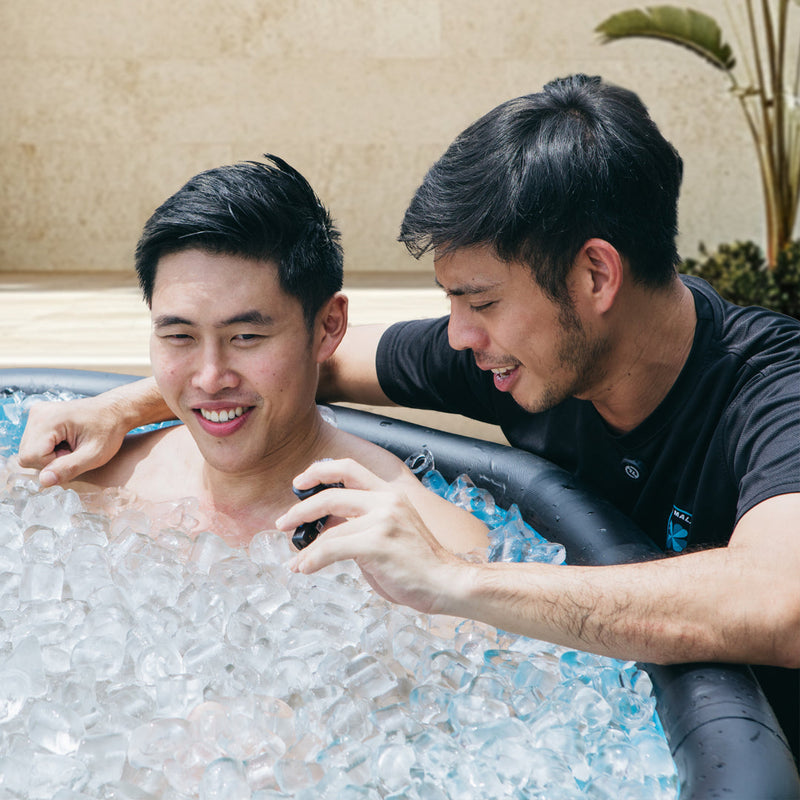
A cold plunge involves immersing the body in cold water—typically 5–15°C—for a short, controlled duration.
Unlike ice baths with loose ice, modern cold plunge systems offer:
-
Stable temperature control
-
Faster cooling of core body temperature
-
Cleaner, repeatable recovery sessions
Athletes use cold plunges after marathons to reduce inflammation, manage soreness, and feel physically and mentally refreshed.
Learn more: Cold Immersion Explained: How Ice Baths Reduces Muscle Soreness and Fatigue
Cold Plunge Benefits for Runners After a Marathon
Cold plunge benefits for runners include:
-
Reduced delayed onset muscle soreness (DOMS)
-
Lower inflammation in calves, quads, and knees
-
Faster cooling after hot-weather races
-
Improved comfort when walking or descending stairs
-
Earlier readiness for light movement or mobility work
Many Malaysian elite runners now include cold plunges as part of their marathon recovery plan, especially after full marathons and back-to-back race weekends.
Cold Plunge Benefits for Cyclists After Long-Distance Rides
Cyclists also benefit from cold plunge recovery, particularly after:
-
Long endurance rides
-
Multi-day tours
-
High-heat training blocks
Key benefits include:
-
Reduced leg heaviness
-
Faster recovery between riding days
-
Less joint stiffness
-
Improved mental reset after long efforts
Because cycling places sustained load on muscles without impact, cold plunges help control inflammation without adding mechanical stress.
When Should You Use a Cold Plunge After a Marathon?
 Timing matters. Most athletes follow a simple window-based approach:
-
Immediately post-race: Cooling and heat reduction
-
12–24 hours post-race: Soreness and swelling control
-
24–48 hours post-race: Recovery between light sessions
Cold plunges are best used after endurance events, not immediately after heavy strength or hypertrophy training.
Cold Plunge vs Sauna vs Contrast Therapy for Post Marathon Recovery
Many athletes ask which recovery method works best. In practice, they serve different roles.
Comparison Table: Recovery Methods After a Marathon
|
Recovery Method |
Primary Benefit |
Best Used When |
Notes |
|
Cold Plunge |
Reduces soreness, inflammation, heat load |
First 48 hours post-race |
Ideal for hot climates |
|
Sauna |
Improves circulation, relaxes muscles |
After initial soreness subsides |
Supports mental reset |
|
Contrast Therapy |
Hot–cold circulation cycling |
During recovery phase |
Helps stiffness and fatigue |
|
Passive Rest |
Energy conservation |
Short-term only |
Slower recovery if used alone |
Read more: Cold Immersion Explained: How Ice Baths Reduce Muscle Soreness and Fatigue
Sauna benefits explained: The Benefits of Sauna: For Men, Women, & Types of Saunas
Contrast therapy guide: Contrast Therapy: Benefits, How It Works & How To Do Guide
Curious how to use cold plunges and saunas safely in Malaysia’s heat—especially if you’re new to both? This beginner-friendly guide breaks down what to do, what to avoid, and how to recover smart without overdoing it: Cold Plunge & Sauna Safety in Malaysia’s Climate: A Beginner’s Guide
Why Many Athletes Combine Cold Plunge and Contrast Therapy
Contrast therapy alternates cold and heat exposure to stimulate circulation. After the initial inflammation phase, athletes often transition to contrast therapy to:
-
Reduce stiffness
-
Improve blood flow
-
Support relaxation
-
Ease back into training
This pairing is common among Malaysian runners managing post marathon recovery across multiple days.
Thinking about adding cold plunges or contrast therapy to your recovery routine—but not sure where to start? These guides walk you through choosing the right setup and using it safely in Malaysia’s climate:
-
How to Choose the Right Cold Plunge & Sauna Experience in Malaysia
-
Cold Plunge & Sauna Safety in Malaysia’s Climate: A Beginner’s Guide
A Practical Marathon Recovery Plan Using Cold Therapy
Strong recovery keeps your hard work moving forward. With the right structure in place, runners and cyclists can cool the body, reduce soreness, and return to training feeling capable—rather than stuck in fatigue or stiffness. Here’s a simple, effective structure:
Day 0–1 (Race Day + Next Day)
-
Hydration and electrolytes
-
Cold plunge session
-
Light walking or mobility
Day 2–3
-
Cold plunge or contrast therapy
-
Gentle stretching
-
Sleep focus
Day 4 onward
-
Light training return
-
Sauna or contrast therapy
-
Gradual volume rebuild
Want a deeper breakdown of cold therapy timing and recovery mistakes to avoid? Read: How To Speed Up Muscle Strain Recovery: Using Cold Therapy and More
What Are The Common Post Marathon Recovery Mistakes?
Most post-race setbacks don’t come from poor training—they come from rushing recovery or treating it as an afterthought. Small missteps in the days after a marathon can quietly undo weeks of hard work.
-
Training too soon
-
Ignoring sleep quality
-
Using cold therapy inconsistently
-
Skipping hydration timing
-
Treating recovery as optional
These mistakes often lead to prolonged soreness, lingering fatigue, and a drop in motivation just when momentum should be building.
Want to understand what really holds endurance athletes back—and how to avoid it next time? Read:
-
10 Challenges Runners & Cyclists Face & What’s Really Causing Them
-
How To Speed Up Muscle Strain Recovery: Using Cold Therapy and More
Why Home Cold Plunge Systems Are Growing in Malaysia
Home cold plunge systems are making structured recovery possible without gym visits or daily ice runs. For runners and cyclists, this means faster recovery between sessions and better performance over time. For weekend warriors and busy professionals, it offers a practical way to manage work stress, muscle tightness, and mental fatigue at home.
Modern systems remove common barriers to recovery:
-
No daily ice buying or manual temperature guessing
-
Consistent temperature control for repeatable results
-
Compact designs that fit both condos and landed homes
-
Flexible use that works around long workdays and tight schedules
Warrior Plunge’s home recovery setups are simple: plug in, fill with water, and cool—you’re ready in under 30 minutes. This ease of use helps recovery become a routine, not a once-in-a-while fix—supporting better movement, sharper focus, and long-term wellbeing beyond training alone.
Explore Warrior Plunge Tub and Chiller systems today.
Conclusion: Cold Plunge as a Core Part of Post Marathon Recovery in Malaysia
Post marathon recovery is no longer an afterthought. In Malaysia’s climate, recovery strategies that actively cool the body and support circulation are essential.
Cold plunges help runners and cyclists reduce soreness, recover faster, and regain mental clarity after long-distance efforts. When paired with sauna sessions or contrast therapy, they form a complete recovery system that supports consistency and long-term performance.
Recover Smarter After Your Next Race:
Explore Warrior Plunge’s cold plunge systems and recovery setups or Visit our showroom today to experience it firsthand.
Train hard. Recover right. Stay consistent—race after race.
FAQs: Post Marathon Recovery & Cold Plunge Use
How long should recovery take after a marathon?
Most runners need 7–14 days for full recovery, depending on race intensity and recovery habits.
Is cold plunge safe after a half marathon?
Yes. Many athletes use cold plunges after half marathons to reduce soreness and recover faster.
Does cold plunge delay muscle healing?
Cold plunges reduce inflammation but should be used strategically around endurance training, not strength gains.
How often should I cold plunge post-race?
1–3 sessions in the first 48 hours is common for marathon recovery.
Can beginners use cold plunges?
Yes, with short exposures and controlled temperatures.
Learn more about Why Cold Plunge Therapy Is Gaining Momentum in Malaysia’s Fitness Scene
Read more
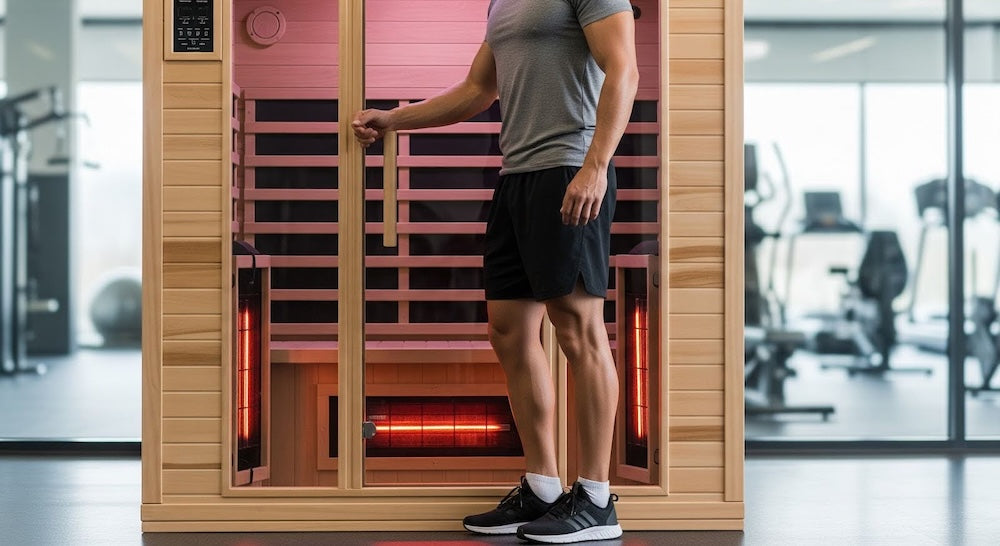
Discover the top challenges Malaysian runners and cyclists face—and how cold plunges, contrast therapy, and sauna recovery support faster recovery and performance.
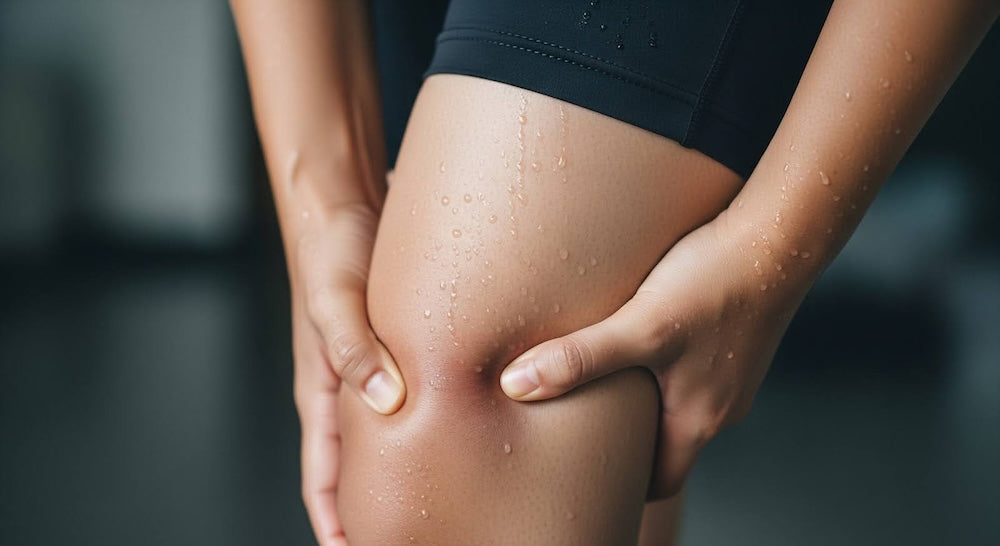
Learn why muscle recovery slows in hot, humid climates and how cold plunge and contrast therapy help counter heat stress and prolonged soreness.