

10 Tantangan yang Dihadapi Pelari & Pesepeda & Apa Penyebab Sebenarnya?
Poin-Poin Penting
-
Cuaca panas dan lembap di Malaysia memberikan tekanan berat pada pelari dan pesepeda, meningkatkan detak jantung, suhu tubuh inti, dan peradangan.
-
Pemulihan otot yang lambat, gangguan tidur, dehidrasi, dan kelelahan mental membatasi daya tahan tubuh lebih dari yang sering disadari oleh para atlet.
-
Cedera akibat penggunaan berlebihan timbul dari peningkatan jarak tempuh, otot penopang yang lemah, dan peradangan yang dipicu oleh cuaca.
-
Kesibukan gaya hidup dan cuaca yang tidak menentu membuat konsistensi latihan menjadi sulit bagi atlet Malaysia.
-
Pemulihan terstruktur menjadi sangat penting— perendaman air dingin, paparan sauna, dan terapi kontras membantu mengurangi nyeri otot, mengatur stres, dan meningkatkan pemulihan setelah berolahraga.
-
Alat pemulihan di rumah seperti bak rendam air dingin dan sauna pribadi membantu atlet tetap konsisten meskipun memiliki jadwal yang padat.
Pendahuluan: Mengapa Pelari & Pesepeda Malaysia Mengalami Peningkatan Performa yang Terhambat
Partisipasi dalam ajang ketahanan utama di Malaysia— KL Marathon, Penang Bridge Marathon, IRONMAN Langkawi , dan Century Rides—terus meningkat. Namun, banyak atlet masih menghadapi kelelahan yang terus-menerus, pemulihan yang lebih lambat, dan performa yang tidak konsisten.
Masalah-masalah ini jarang berasal dari "kurangnya disiplin." Lebih sering, penyebabnya adalah stres lingkungan, kelelahan gaya hidup, dan perencanaan pemulihan yang terbatas. Setelah atlet memahami pemicunya, mereka dapat menyesuaikan pelatihan dan pemulihan dengan lebih cerdas.
Inilah mengapa banyak warga Malaysia sekarang memasukkan rendaman air dingin, sesi sauna , dan terapi kontras ke dalam rutinitas mereka untuk menjaga konsistensi dan mengurangi rasa nyeri.
Dalam artikel ini, kita akan membahas tantangan utama yang dihadapi para pelari dan pesepeda di Malaysia—dan bagaimana metode pemulihan yang lebih cerdas, termasuk berendam air dingin dan terapi berbasis panas, dapat membantu mereka berlatih lebih keras dengan lebih sedikit kelelahan.

Tantangan 1: Bagaimana Panas dan Kelembapan Ekstrem Mengganggu Performa Lari dan Bersepeda
Iklim di Malaysia semakin memburuk:
-
Suhu inti
-
Detak jantung
-
Tingkat keringat
-
Peradangan
Hal ini memaksa atlet untuk bekerja lebih keras dengan kecepatan yang sama, menguras cairan lebih cepat, dan memperpanjang nyeri otot. Dalam berlari di cuaca panas atau bersepeda di cuaca panas , performa dapat menurun hanya karena tubuh sibuk mendinginkan diri daripada menghasilkan tenaga.
Paparan suhu dingin adalah metode umum yang digunakan atlet untuk mengurangi beban panas setelah latihan.
Manfaat Berendam Air Dingin & Kapan Harus Menggunakannya
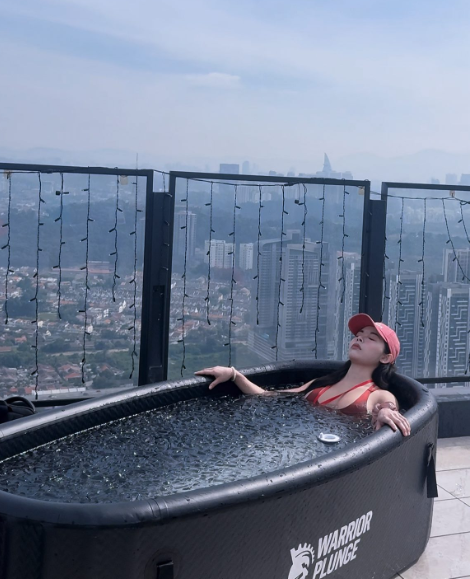
Berendam dalam air dingin memberikan cara cepat dan terkontrol untuk mendinginkan tubuh setelah beraktivitas di cuaca panas. Cara ini dapat membantu:
-
Turunkan suhu inti tubuh dengan cepat.
-
Mengurangi peradangan dan nyeri otot
-
Stabilkan detak jantung setelah melakukan aktivitas berat.
-
Mendukung pemulihan yang lebih cepat antar hari latihan.
Sebaiknya digunakan setelah :
-
Lari jarak jauh atau bersepeda jarak jauh
-
Sesi tempo atau interval
-
Latihan tanjakan berulang dalam kondisi panas.
-
Blok pelatihan tengah hari atau dengan intensitas sinar UV tinggi.
Pelajari lebih lanjut: Manfaat Mandi Es: Penelitian, Testimoni & Lainnya
Tantangan 2: Mengapa Latihan Keras Menyebabkan Kurang Tidur pada Atlet Malaysia
Berlari dan bersepeda di malam hari memang nyaman, tetapi dapat merangsang sistem saraf secara berlebihan. Kadar kortisol yang tinggi, suhu tubuh yang meningkat, dan aktivitas simpatik yang berkepanjangan mengganggu proses relaksasi.
Kurang tidur melemahkan pemulihan setelah berolahraga dan memperpanjang DOMS—terutama bagi atlet ketahanan yang harus mengatur jadwal kerja yang panjang.
Terapi rendaman dingin atau terapi kontras membantu menenangkan sistem saraf. Terapi kontras melibatkan pergantian antara paparan dingin dan panas , mendorong perubahan sirkulasi yang membantu tubuh rileks dan beralih ke mode pemulihan. Banyak atlet Malaysia menggunakan metode ini untuk memulihkan diri sebelum tidur dan meningkatkan energi di hari berikutnya.
Baca selanjutnya: Terapi Kontras: Manfaat, Cara Kerjanya & Panduan Cara Melakukannya
Tantangan 3: Pemulihan Otot yang Lambat Antar Sesi — Mengapa Hal Itu Terjadi
Atlet sering kali mengalami kaki terasa berat, nyeri yang berkepanjangan, dan penurunan performa selama sesi latihan beruntun. Alasan utamanya adalah:
-
Beban latihan yang tinggi
-
Pekerjaan pendinginan minimal
-
Alat pemulihan terbatas
-
Kurang tidur dan kurang minum
Tanpa kebiasaan pemulihan otot yang terstruktur , kelelahan menumpuk lebih cepat daripada kemampuan jaringan untuk memperbaiki diri, terutama dalam blok latihan ketahanan .
Mandi air es dan sauna—yang populer di kalangan atlet Malaysia—membantu meningkatkan sirkulasi darah, mengurangi nyeri otot, dan memperpendek waktu pemulihan.
Ingin mempelajari lebih lanjut? Pelajari cara menggunakan terapi dingin secara lebih efektif di sini:
-
Penjelasan tentang Perendaman Dingin: Bagaimana Mandi Es Mengurangi Nyeri dan Kelelahan Otot
-
Cara Mempercepat Pemulihan Cedera Otot: Menggunakan Terapi Dingin dan Lainnya
Tantangan 4: Cedera Akibat Penggunaan Berlebihan — Apa Penyebab Nyeri Tulang Kering, ITB, dan Nyeri Lutut?
Peningkatan jarak tempuh, otot penunjang yang lemah, gerakan berulang, dan peradangan akibat cuaca panas menciptakan lingkungan yang ideal untuk terjadinya:
-
Nyeri tulang kering
-
Kekakuan ITB
-
Nyeri lutut pelari
-
Nyeri tendon Achilles
-
Masalah yang berkaitan dengan pinggul dan bokong
Bahkan asimetri kecil pun memburuk dalam cuaca panas, memperlambat pemulihan dan meningkatkan cedera akibat penggunaan berlebihan yang dihadapi pelari menjelang perlombaan besar.
Perendaman air dingin paling efektif jika digunakan segera setelah kambuh untuk mengendalikan pembengkakan dan meredakan ketidaknyamanan. Sebagian besar atlet menerapkan sesi perendaman air dingin singkat setelah lari intensitas tinggi, lari menanjak berulang, atau latihan apa pun yang memicu kekakuan atau tanda-tanda awal penggunaan berlebihan.
Tantangan 5: Latihan yang Tidak Konsisten Karena Cuaca, Kabut, dan Gaya Hidup
Atlet Malaysia secara rutin menghadapi:
-
Hujan tiba-tiba
-
Peringatan kabut
-
Indeks UV tinggi
-
Hari kerja yang panjang
-
Kewajiban larut malam
Hal ini menyebabkan jadwal latihan yang tidak teratur dan "jarak tempuh tambahan" yang berisiko di akhir pekan, sebuah pola klasik di balik masalah konsistensi latihan .
Rutinitas pemulihan terstruktur—termasuk berendam air dingin atau sesi sauna—membantu atlet mempertahankan performa bahkan ketika volume latihan mingguan berubah.
Lihat bagaimana atlet Malaysia menggunakan rendaman air dingin untuk menjaga konsistensi setelah upaya besar dalam perlombaan:
Tren Pemulihan Pasca Maraton di Malaysia: Manfaat Berendam Air Dingin untuk Pelari & Pesepeda
Tantangan 6: Dehidrasi & Kehilangan Elektrolit — Penguras Performa Tersembunyi
Suhu panas di Malaysia secara drastis meningkatkan keringat dan kehilangan garam. Hal ini berdampak pada:
-
Kontraksi otot
-
Sinyal saraf
-
Stabilitas kardiovaskular
-
Daya keluaran
Kram dan kelelahan seringkali merupakan masalah hidrasi bagi pelari di Malaysia —bukan hanya masalah otot.
Terapi kontras (siklus sirkulasi panas-dingin) membantu meningkatkan sirkulasi dan mengurangi ketegangan setelah bersepeda dan berlari jarak jauh, melengkapi upaya hidrasi dan nutrisi.
Selengkapnya di sini: Terapi Kontras: Manfaat, Cara Kerjanya & Panduan Cara Melakukannya
Tantangan 7: Kelelahan Mental & Penurunan Motivasi — Lebih Umum daripada yang Diakui Orang
Banyak atlet merasa lelah secara mental sebelum merasa lelah secara fisik. Stres akibat panas, tekanan kerja, dan perjalanan pulang pergi yang panjang semuanya memengaruhi motivasi. Tanda-tanda umum:
-
Kesenangan berlatih berkurang.
-
Dorongan rendah untuk meningkatkan kecepatan
-
Kesulitan memulai latihan
-
Kelelahan yang mirip dengan burnout
Berendam di air dingin dan sesi sauna berfungsi sebagai penyegaran mental yang meningkatkan kejernihan dan suasana hati—salah satu alasan mengapa aktivitas ini semakin populer di Malaysia, baik untuk meningkatkan performa maupun mengurangi stres.
Pelajari selengkapnya:
-
Mengapa Terapi Mandi Air Dingin Semakin Populer di Dunia Kebugaran Malaysia?
-
Di Balik Sensasi Terbakar: Manfaat Mandi Es & Sauna untuk Kesehatan Mental
Tantangan 8: Ruang Latihan Aman Terbatas untuk Pelari & Pesepeda
Lalu lintas, bahu jalan yang tidak rata, jalur sepeda yang langka, dan rute teduh yang terbatas semuanya membuat latihan di luar ruangan menjadi lebih sulit. Alat latihan dalam ruangan membantu tetapi bisa terasa monoton.
Karena sesi latihan di luar ruangan tidak selalu ideal, para atlet lebih mengandalkan perlengkapan pemulihan di rumah agar tetap konsisten—terutama bak air dingin yang dapat digunakan setiap hari tanpa harus meninggalkan rumah.
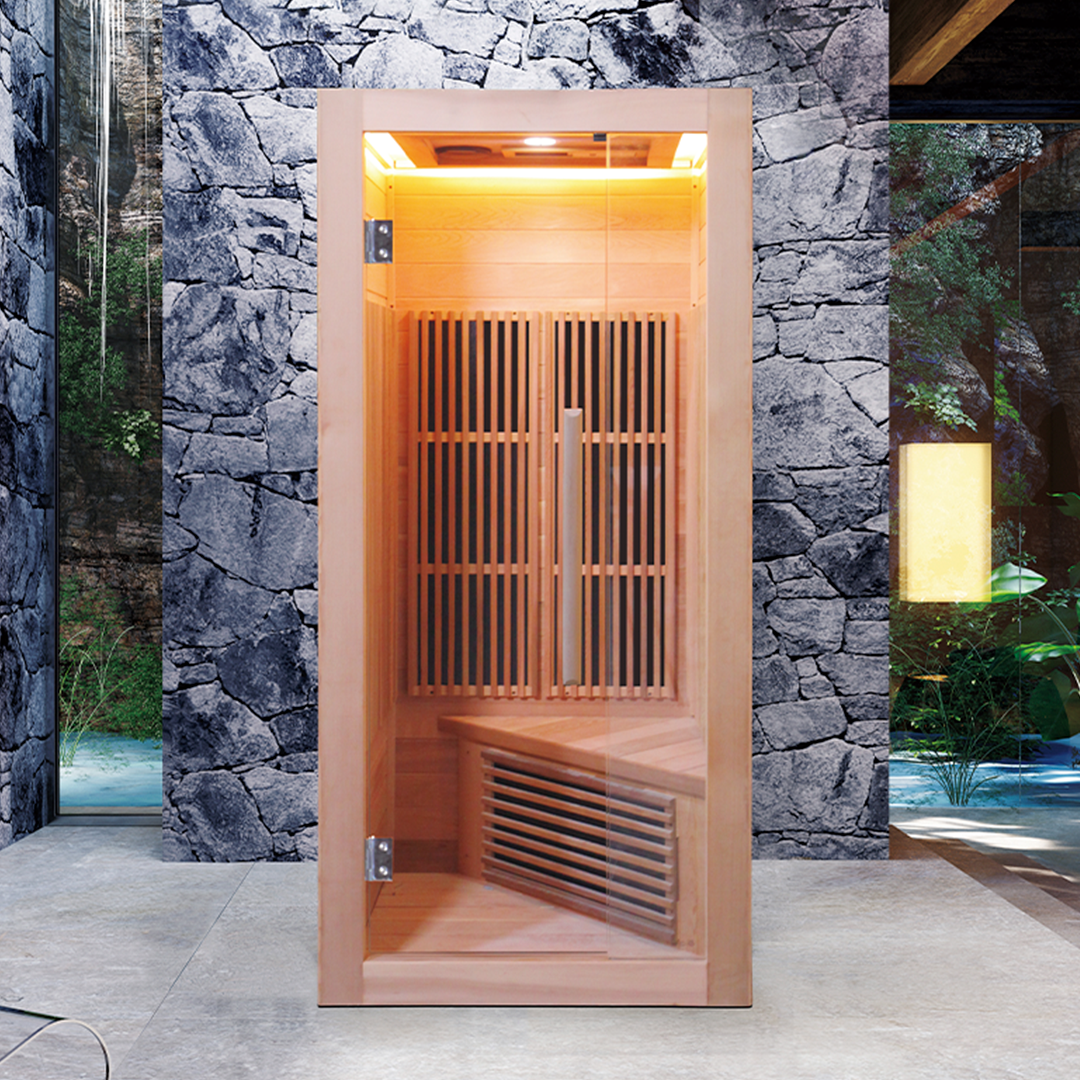
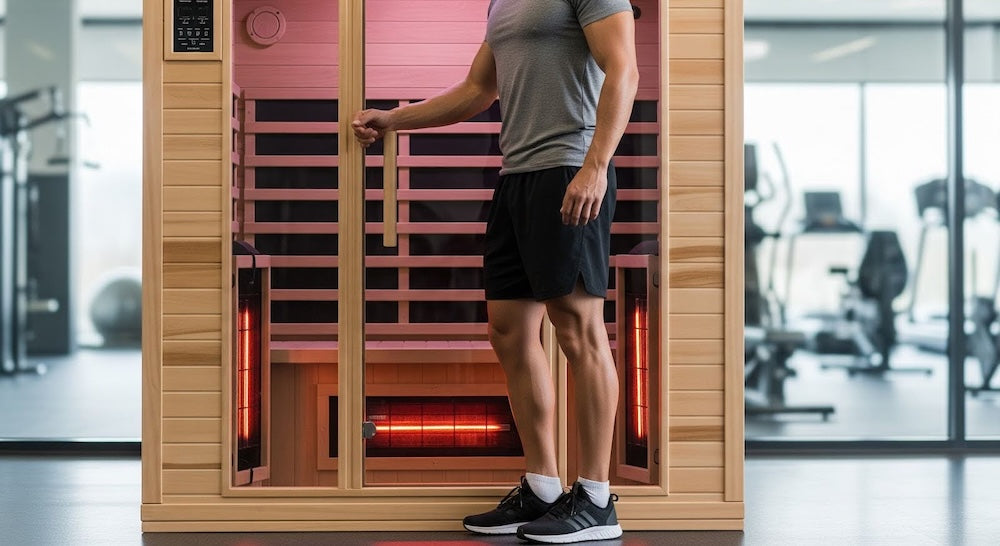
Bak rendam air dingin portabel dan sauna pribadi menawarkan pilihan pemulihan yang cepat dan berulang—ideal untuk jadwal yang padat dan periode latihan yang berat.
Tantangan 9: Kurangnya Ritual Pemulihan yang Tepat — Mengapa Orang Malaysia Mengalami Nyeri Lebih Lama
Banyak atlet masih melakukan lompatan:
-
Waktu pendinginan
-
Peregangan
-
Pekerjaan mobilitas
-
Pengaturan waktu hidrasi
-
Pemulihan yang berfokus pada sirkulasi
Pemulihan tetap bersifat reaktif dan bukan preventif, yang memperpanjang pemulihan otot yang lambat dan rasa nyeri setelah lari dan bersepeda jarak jauh.
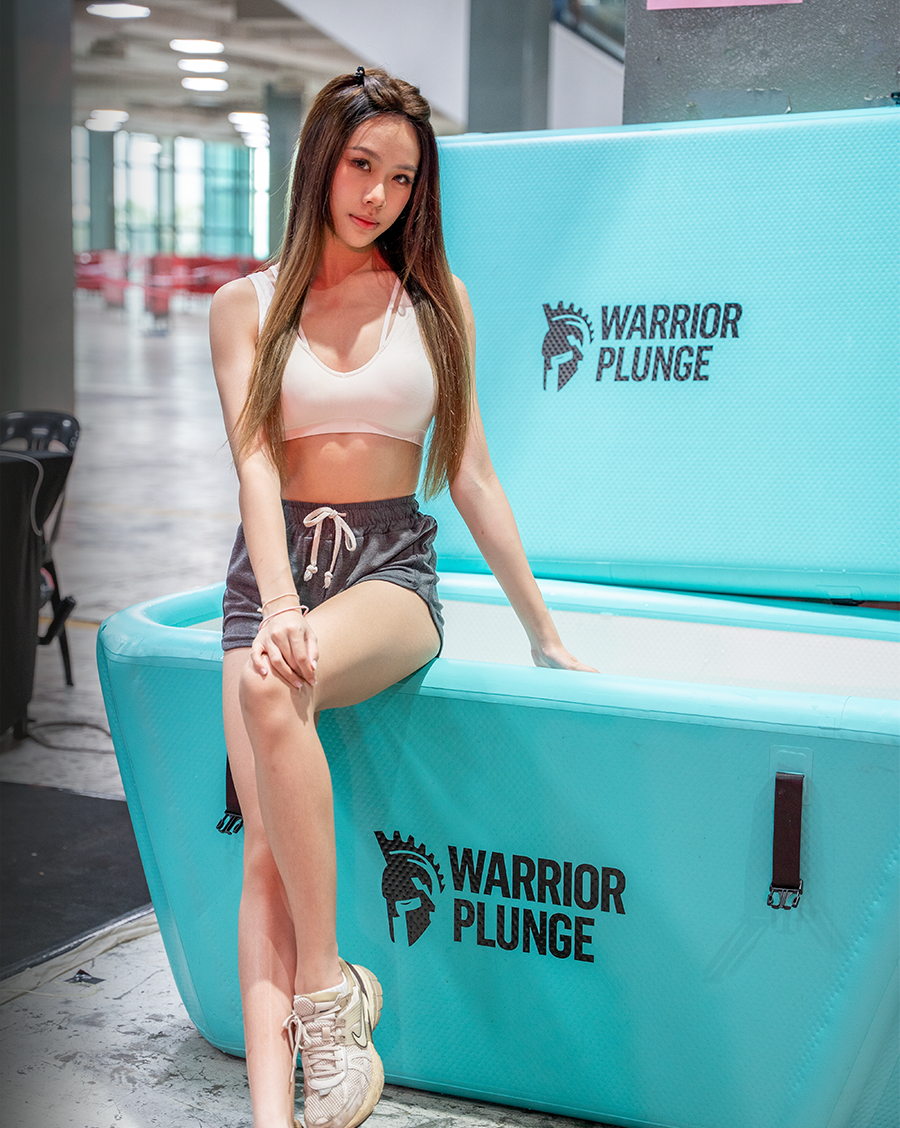
Jelajahi sistem rendaman air dingin dan sauna rumahan lengkap dari Warrior Plunge , yang dirancang untuk pemulihan instan setelah sesi latihan yang berat.
Tantangan 10: Menyeimbangkan Kinerja Puncak dengan Gaya Hidup yang Sibuk
Para pelari dan pesepeda di Malaysia seringkali harus menyeimbangkan pekerjaan, perjalanan pulang pergi, tanggung jawab keluarga, dan tidur yang tidak teratur. Dengan waktu yang terbatas untuk pendinginan atau terapi olahraga, rasa sakit menjadi kronis dan peningkatan performa melambat.
Bak rendam air dingin yang ringkas dan sauna pribadi—seperti sistem lengkap Warrior Plunge —memberikan pemulihan tingkat profesional bagi atlet di rumah hanya dalam hitungan menit.
Cukup colokkan, isi dengan air, dan dinginkan. Anda sudah bisa berendam dalam waktu kurang dari 30 menit , sehingga pemulihan yang konsisten tetap memungkinkan bahkan di hari-hari tersibuk sekalipun.
Kesimpulan: Atlet Malaysia Beralih dari “Lebih Banyak Latihan” ke “Pemulihan yang Lebih Cerdas”
Kesepuluh tantangan ini— stres akibat panas, kurang tidur, penumpukan kelelahan, masalah hidrasi, kelelahan mental, latihan yang tidak konsisten, dan tekanan gaya hidup —berkombinasi untuk membatasi kemajuan jangka panjang.
Semakin banyak warga Malaysia yang menyadari bahwa pemulihan bukanlah pilihan, melainkan keharusan. Perendaman air dingin, paparan panas sauna, dan terapi kontras membantu atlet berlatih dengan aman, mengurangi nyeri otot, dan menjaga konsistensi sepanjang tahun terlepas dari iklim.
Siap untuk Pemulihan yang Lebih Cerdas? Beli Warrior Plunge dan rasakan pemulihan tingkat profesional di rumah:
-
Jelajahi Sistem Pencelupan Dingin
-
Telusuri Model Bak Mandi Rendam Saja
-
Kunjungi Ruang Pamer Warrior Plunge
Warrior Plunge memberikan pemulihan yang terkontrol dan konsisten bagi atlet Malaysia—tanpa perlu kompres es setiap hari atau pengaturan yang rumit.
Berlatih keras. Pulih dengan benar. Berkinerja lebih baik.
Pertanyaan yang Sering Diajukan (FAQ): Tantangan yang Dihadapi Pelari & Pesepeda Malaysia
1. Apa tantangan terbesar yang dihadapi pelari Malaysia?
Cuaca panas dan lembap di Malaysia menciptakan tekanan kardiovaskular yang tinggi, dehidrasi lebih cepat, dan peningkatan peradangan. Hal ini menyulitkan untuk mempertahankan kecepatan dan memperlambat pemulihan setelah berolahraga.
2. Mengapa saya merasa sangat lelah setelah berlari atau bersepeda di cuaca panas?
Tubuh Anda bekerja lebih keras untuk mendinginkannya. Hal ini meningkatkan detak jantung, menaikkan suhu inti tubuh, dan menguras elektrolit dengan cepat—menyebabkan kaki terasa berat, kelelahan, dan pemulihan otot yang lebih lambat.
3. Apakah pemulihan otot yang lambat merupakan hal normal bagi atlet ketahanan?
Ya—terutama ketika volume latihan tinggi dan rutinitas pemulihan tidak konsisten. Kurangnya pendinginan, hidrasi yang buruk, dan kurang tidur semuanya memperpanjang DOMS (Delayed Onset Muscle Soreness). Pemulihan terstruktur seperti perendaman air dingin atau terapi kontras dapat mempercepat prosesnya.
4. Bagaimana terapi dingin membantu pelari dan pesepeda pulih lebih cepat?
Berendam dalam air dingin membantu mengurangi peradangan, menurunkan nyeri otot, dan menstabilkan sistem saraf. Banyak atlet menggunakan rendaman air dingin setelah lari atau bersepeda jarak jauh untuk mendinginkan tubuh dan mempersingkat waktu pemulihan. Pelajari lebih lanjut: Manfaat Mandi Es: Penelitian, Testimoni & Lainnya
5. Bagaimana panas sauna membantu latihan daya tahan?
Paparan sauna meningkatkan sirkulasi darah, merilekskan otot-otot yang tegang, dan mendukung pemulihan yang lebih baik di antara sesi latihan. Selain itu, sauna juga membantu memulihkan kondisi mental setelah latihan yang berat.
Baca panduan kami: Manfaat Sauna: Untuk Pria, Wanita, & Jenis-Jenis Sauna
6. Mengapa atlet Malaysia kesulitan tidur setelah latihan?
Olahraga di malam hari meningkatkan kadar kortisol dan suhu tubuh inti, sehingga menyulitkan untuk rileks. Perendaman air dingin atau terapi kontras dapat membantu menenangkan sistem saraf dan mendukung tidur yang lebih nyenyak.
7. Apakah cedera akibat penggunaan berlebihan seperti nyeri tulang kering dan nyeri ITB dapat dicegah?
Ya. Sebagian besar cedera akibat penggunaan berlebihan berasal dari peningkatan jarak tempuh yang cepat, otot penstabil yang lemah, dan peradangan akibat panas. Latihan kekuatan, pemulihan yang tepat, dan metode pendinginan dapat mengurangi kambuhnya cedera.
8. Mengapa kram sering terjadi saat berlari atau bersepeda jarak jauh?
Kondisi cuaca panas di Malaysia menyebabkan hilangnya elektrolit lebih cepat, sehingga meningkatkan risiko kram. Pengaturan waktu hidrasi, asupan natrium, dan metode pemulihan yang meningkatkan sirkulasi (misalnya, terapi kontras) membantu mengurangi frekuensi kram.
9. Bagaimana saya bisa tetap konsisten berlatih meskipun cuaca di Malaysia tidak menentu?
Gunakan alternatif latihan dalam ruangan yang fleksibel dan prioritaskan pemulihan yang terstruktur. Ketika sesi latihan di luar ruangan terganggu oleh hujan, kabut, atau sinar UV ekstrem, alat pemulihan di rumah seperti bak mandi atau sauna dapat membantu Anda mempertahankan performa meskipun volume latihan tidak konsisten.
10. Apakah berendam air dingin membantu mengatasi kelelahan mental dan meningkatkan motivasi?
Ya. Perendaman singkat dalam air dingin memicu respons norepinefrin yang kuat yang terkait dengan kewaspadaan, kejernihan pikiran, dan peningkatan suasana hati—bermanfaat bagi atlet yang merasa lelah secara mental akibat panas atau stres sehari-hari.
11. Apa metode pemulihan terbaik untuk pelari Malaysia dengan waktu terbatas?
Mandi air dingin atau sauna rumahan menawarkan pemulihan yang cepat dan berulang dalam hitungan menit. Fasilitas ini ideal untuk atlet yang menyeimbangkan pekerjaan, keluarga, dan latihan. Jelajahi perlengkapan pemulihan rumahan dari Warrior Plunge .
12. Seberapa sering pelari dan pesepeda harus menggunakan rendaman air dingin?
Bagi atlet ketahanan Malaysia, 2–4 sesi latihan per minggu adalah hal yang umum. Setelah sesi latihan intensif, paparan dingin membantu mengurangi nyeri otot dan mengatur stres panas.
Jelajahi perlengkapan pemulihan di rumah dari Warrior Plunge .
13. Apakah bak rendam air dingin lebih baik daripada mandi es dengan kantong es?
Ya. Sistem rendaman air dingin memberikan kontrol suhu yang konsisten, pendinginan lebih cepat, dan filtrasi higienis—tanpa perlu mengisi es setiap hari. Hal ini membuat pemulihan lebih mudah untuk dipertahankan dalam jangka panjang. Jelajahi sistem bak air dingin dan pendingin lengkap dari Warrior Plunge .
14. Apakah terapi kontras membantu mengurangi nyeri otot setelah berlari?
Ya. Siklus panas-dingin meningkatkan sirkulasi, mengurangi kekakuan, dan membantu membuang limbah metabolisme setelah aktivitas fisik yang berat. Baca panduan kami: Terapi Kontras: Manfaat, Cara Kerja & Panduan Cara Melakukannya
15. Alat pemulihan apa yang digunakan pelari dan pesepeda Malaysia saat ini?
Alat yang paling umum digunakan meliputi:
-
Bak rendam air dingin
-
Bak mandi es portabel
-
Sauna pribadi
-
Pengaturan terapi kontras
-
Alat bantu mobilitas dan jaringan lunak
Penasaran bagaimana para atlet benar-benar menggunakan alat pemulihan ini sehari-hari?
Dengarkan pengalaman nyata, analisis ahli, dan rutinitas praktis di podcast Warrior Plunge —atau bergabunglah dengan komunitas untuk melihat bagaimana pelari dan pesepeda Malaysia membangun pemulihan di tengah minggu pelatihan yang sibuk.
Baca selengkapnya
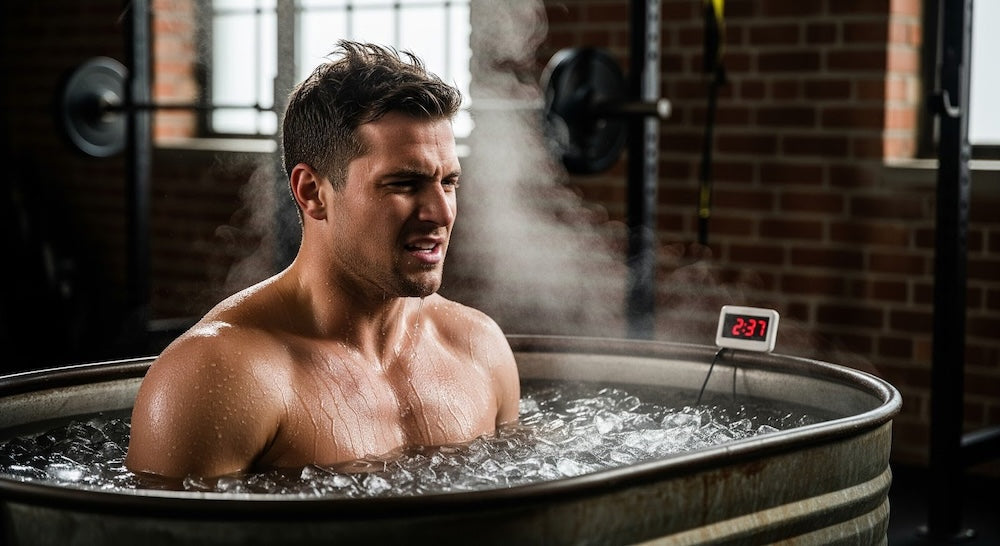
Temukan bagaimana mandi es dan sauna membantu mengurangi stres, memperbaiki suasana hati, dan meningkatkan ketangguhan mental—dan bagaimana Warrior Plunge membantu Anda membangun pikiran dan tubuh ...
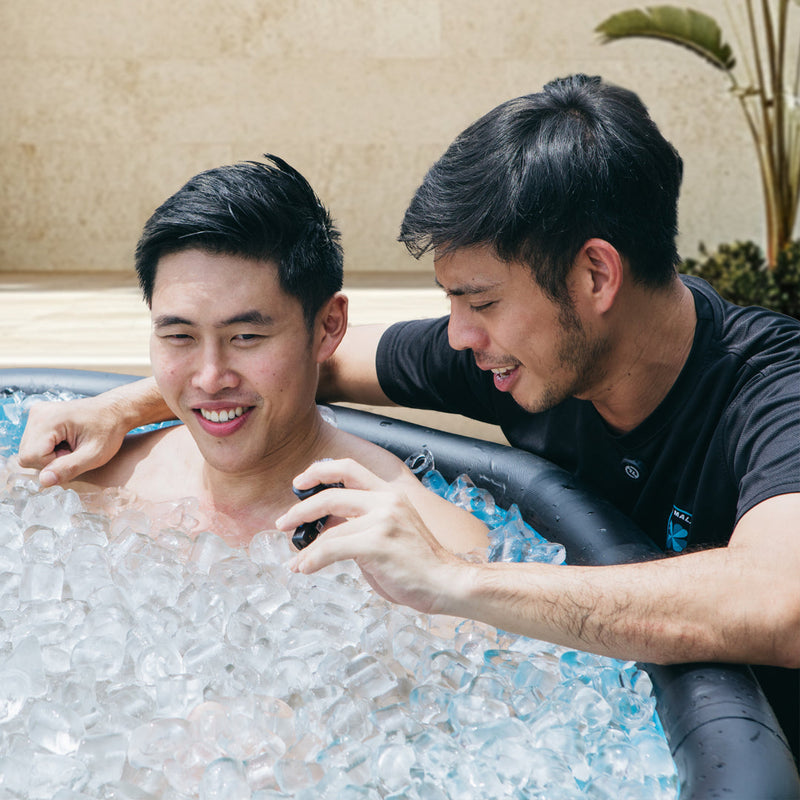
Pelajari mengapa berendam air dingin menjadi tren untuk pemulihan pasca maraton di Malaysia. Kurangi rasa nyeri, pulih lebih cepat, dan segarkan kembali tubuh setelah lari atau bersepeda jarak jauh.