
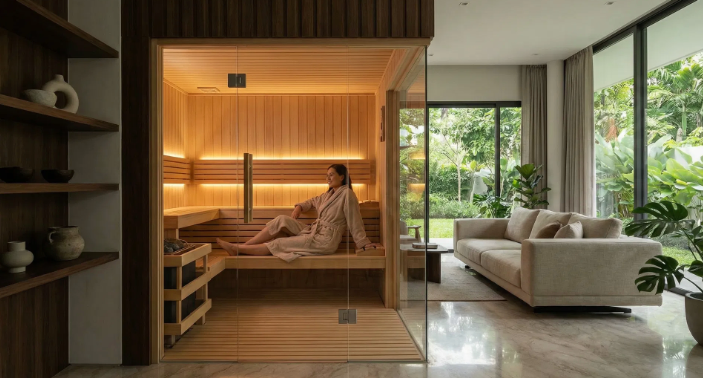
Dry vs Wet Sauna: All You Need To Know
Key Takeaways
- Dry and wet saunas differ mainly by humidity, not temperature
- Added moisture increases perceived heat and breathing demand
- Dry saunas are easier to control and commonly used for recovery
- Wet saunas suit users who prefer humid heat exposure
- Comfort and session tolerance matter more than heat intensity
Why Humidity Changes the Sauna Experience
Dry and wet saunas often reach similar temperatures, but they feel very different. The key difference is humidity, which directly affects how the body experiences heat.
When moisture is added, heat feels heavier, breathing becomes more demanding, and fatigue can set in faster. Understanding this difference helps prevent overexertion and improves session control.

What Is a Dry Sauna?
A dry sauna uses heated stones to raise air temperature while keeping humidity low. Water may be poured occasionally onto the stones, but moisture levels remain controlled.
What a dry sauna session feels like:
- Sharp, direct heat
- Easier breathing compared to humid environments
- Faster sweat response
- Clear temperature contrast
Dry saunas are commonly used by experienced sauna users and athletes, especially in recovery routines that involve cold plunging.
Dry vs Infrared Sauna
Dry saunas heat the surrounding air to higher temperatures, typically 70–110°C, producing an intense heat stimulus. Infrared saunas operate at lower temperatures, around 50–60°C, using light waves to warm the body directly.
To understand how infrared heat works, read Infrared Saunas: Benefits & All You Need To Know. For a side-by-side breakdown, see Infrared Sauna vs. Traditional Sauna: Which One Is Better For You?
What Is a Wet Sauna?
A wet sauna follows the same structure as a dry sauna but involves frequent water being poured over the heated stones. This increases humidity without lowering temperature.
What changes in a wet sauna:
- Heat feels heavier and more intense
- Breathing becomes more demanding
- Perceived exertion rises faster
For clarity on how wet saunas differ from steam rooms, refer to Steam Room vs Sauna: Benefits, Differences, & Risks.
Dry vs Wet Sauna: Key Differences at a Glance

Which Sauna Type Is Better for Recovery?

Dry saunas are generally preferred for recovery because heat intensity and breathing are easier to manage. Timing considerations are covered in Sauna Before or After Workout? Pros & Cons for Each.
Dry vs Wet Sauna for Beginners
Beginners often adapt more easily to dry saunas due to predictable heat exposure. See Types of Saunas Explained: Which One Is Best for You? for a broader comparison.
Sauna Choice and Contrast Therapy
A step-by-step explanation of contrast therapy is available in Contrast Therapy: Benefits, How It Works & How To Do Guide.
Conclusion: Comfort Determines Consistency
Warrior Plunge offers sauna options designed for consistent home use. Explore Warrior Plunge’s Sauna systems or visit our showroom today.
FAQs
What is the main difference between a dry and wet sauna?
Humidity. Wet saunas introduce more moisture, which increases perceived heat and breathing demand.
Is a wet sauna the same as a steam room?
No. Steam rooms operate at lower temperatures with near-total humidity, unlike wet saunas.
Are Warrior Plunge saunas suitable for Malaysian homes?
Yes. Warrior Plunge saunas are built for home use and perform reliably in Malaysia’s hot, humid climate. For a hands-on experience, visiting a Warrior Plunge showroom allows you to ask practical questions before committing.
Read more

Learn what causes DOMS and how to shorten muscle recovery time using active recovery, cold immersion, contrast therapy, sleep, and nutrition.
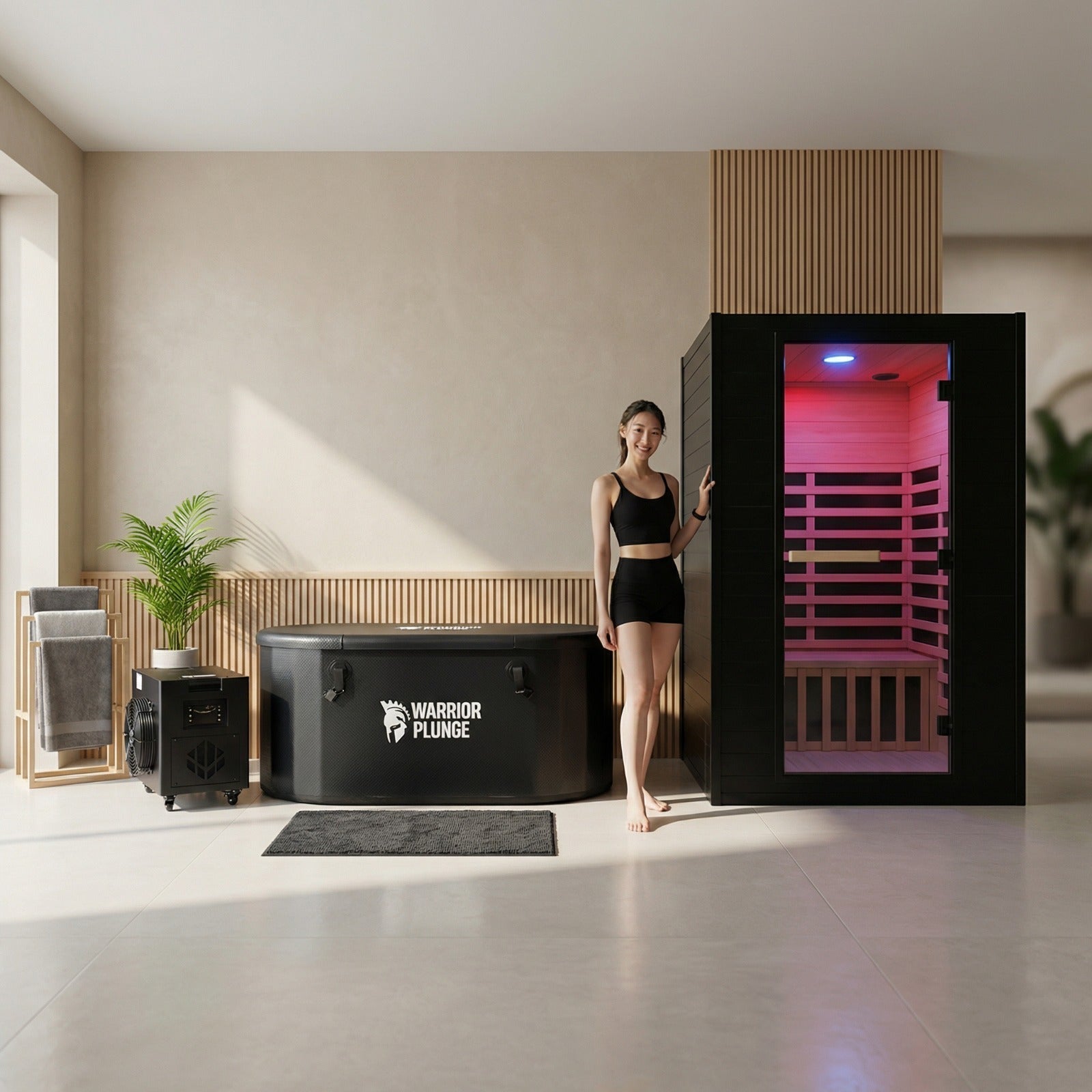
Learn the different types of saunas, how they work, and which suits your recovery, lifestyle, and heat tolerance for home use in Malaysia.