
Types of Saunas Explained: Which One Is Best for You?
Key Takeaways
- Sauna choice depends on heat delivery, humidity, and how well you tolerate sessions
- Dry saunas suit users who prefer high heat and contrast therapy routines
- Infrared saunas support lower-temperature sessions that are easier to repeat
- Steam-style saunas increase perceived heat and breathing demand
- The most effective sauna is the one you can use consistently without discomfort
- Sauna selection matters when combining heat exposure with cold plunge recovery
Why Sauna Choice Matters More Than Most People Think
Saunas are no longer limited to spas or elite training centres. In Malaysia, more people are using different sauna types at home to support recovery, manage stress, and improve overall well-being. Yet not all saunas work the same way — and choosing the wrong setup often leads to discomfort, underuse, or unrealistic expectations.
This guide explains the main types of sauna, how they differ, and which option makes the most sense depending on your body, lifestyle, and recovery needs.
What Actually Makes One Sauna Different From Another?

At a practical level, sauna formats differ in how heat is delivered and how the body responds to it. Four factors matter most:
- How heat is generated (heated air, electric sauna heaters, or infrared panels)
- Humidity level
- Operating temperature
- Session tolerance and recovery impact
Guidance from Stanford Lifestyle Medicine highlights that the effects of sauna use are influenced by duration, frequency, and individual tolerance, reinforcing why choosing a sauna type that fits your capacity matters more than maximising heat exposure.
If you’re deciding between dry heat and humid heat exposure, the distinctions — including breathing load and safety considerations — are explained in detail in Steam Room vs Sauna: Benefits, Differences, & Risks.
Traditional Dry Saunas
Dry saunas are the most familiar format. Modern home setups now rely on electric heaters and sauna stones to heat the air inside an enclosed space. While water can be poured onto the stones, overall humidity remains low.
What a session feels like:
- High ambient heat, typically between 70–90°C
- Dry air with sharp heat exposure
- Rapid rise in body temperature
- Heavy sweating within minutes
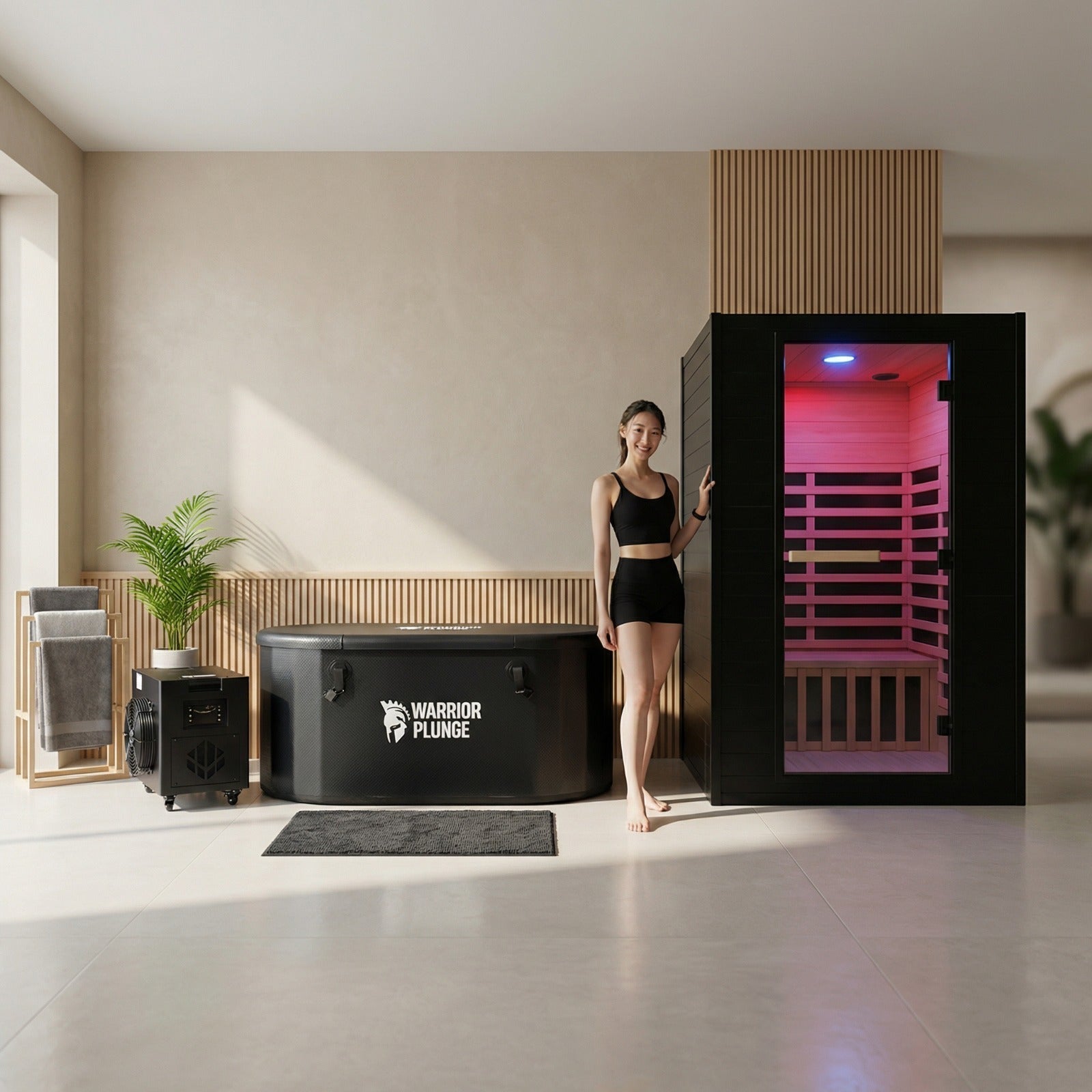
Relevant options include the Warrior Plunge Traditional Sauna, especially for users planning consistent heat–cold routines.
For a direct comparison of dry saunas against humid formats, see Dry vs Wet Sauna: All You Need To Know.
Infrared Saunas (A Different Way of Heating)
An infrared sauna works differently from traditional dry saunas. Instead of heating the surrounding air, infrared panels warm the body directly using radiant energy. This is often preferred by beginners or those who find high-heat environments overwhelming.
Typical experience:
- Lower ambient heat, around 40–60°C
- Less strain on breathing
- Slower, more controlled sweat response
- Easier to stay in the sauna for longer periods
A deeper explanation of infrared saunas is covered in Infrared Saunas: Benefits & All You Need To Know. For home use, Warrior Plunge offers the Warrior Infrared Sauna.
Which Sauna Type Fits Your Goals Best?

Using a sauna before or after training changes how the body responds. This is explored in Sauna Before or After Workout? Pros & Cons for Each.
Sauna Choice and Contrast Therapy

Contrast therapy alternates between heat exposure and cold immersion. If you’re building a recovery routine, see Contrast Therapy: Benefits, How It Works & How To Do Guide and Is Cold Plunge & Contrast Therapy Worth It in 2026?
Conclusion: Choose the Sauna You’ll Actually Use
The right sauna isn’t the hottest or most intense. It’s the one that fits your routine and feels sustainable over time. Explore Warrior Plunge’s Sauna systems or visit our showroom today.
FAQs:
Which type of sauna is best for beginners?
Infrared saunas are usually best for beginners because they operate at lower temperatures and are easier to tolerate.
Is a dry sauna better than a steam-style sauna?
Neither is better overall. Dry saunas provide sharp heat with lower humidity, while steam-style saunas feel hotter due to moisture.
Can Warrior Plunge saunas be used for contrast therapy?
Yes. Warrior Plunge dry and infrared saunas are designed to pair with Warrior Cold Plunge systems.
Read more
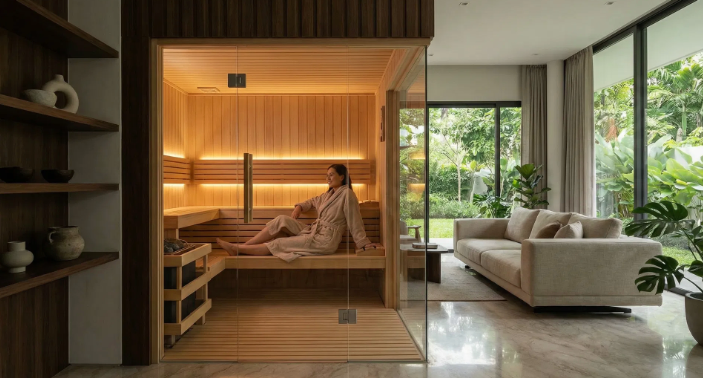
Compare dry and wet saunas, understand how humidity affects heat exposure, and learn which option suits recovery, comfort, and home use in Malaysia.

Learn what recovery runs are, how fast and far to run, and when to use them to support muscle recovery and consistent training progress.