
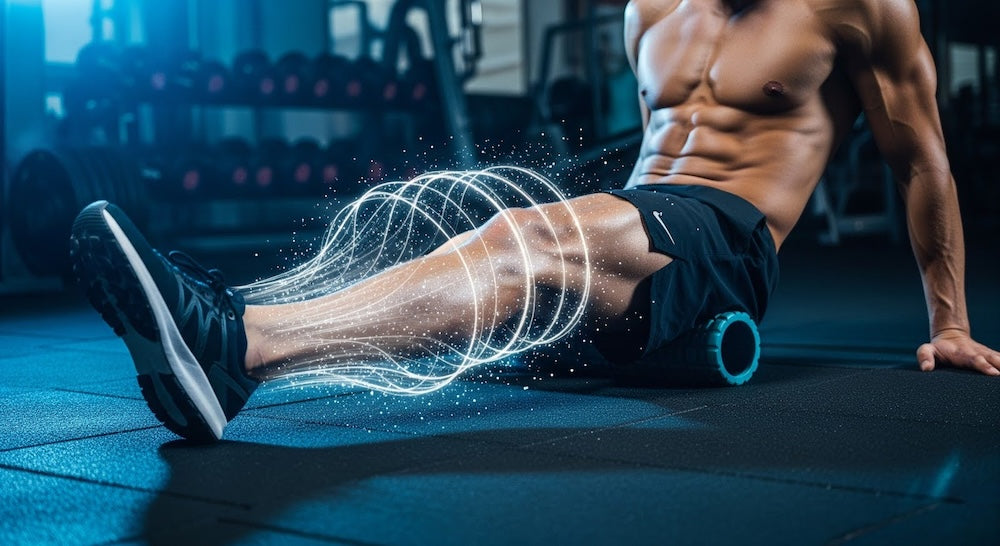
Ilmu di Balik Pemulihan Otot yang Lebih Cepat
Poin-Poin Penting
- Pemulihan otot adalah cara tubuh Anda memperbaiki robekan mikro, mengembalikan energi, dan beradaptasi sehingga Anda dapat kembali lebih kuat.
- DOMS memuncak 24–72 jam setelah latihan berat atau latihan yang tidak biasa dan berasal dari kerusakan struktural otot dan peradangan, bukan "asam laktat yang terperangkap."
- Waktu pemulihan nyeri otot bergantung pada jenis latihan, beban, usia, dan tingkat kebugaran; latihan kekuatan berat, HIIT, dan lari jarak jauh biasanya membutuhkan waktu 48–72 jam.
- Tidur, nutrisi, hidrasi, dan program latihan yang cerdas sangat berperan dalam pemulihan pasca latihan—lebih dari sekadar alat atau suplemen tunggal.
- Perendaman air dingin dan terapi kontras dapat mengurangi rasa nyeri, menurunkan penanda kerusakan otot, dan mengembalikan kekuatan di antara sesi latihan intensif.
- Di Malaysia, bak rendam air dingin sederhana di rumah, dengan atau tanpa pendingin, membuat pemulihan terstruktur lebih mudah untuk dijalani dalam jangka panjang.
Apa itu Pemulihan Otot dan Mengapa Hal Itu Lebih Penting daripada Latihan Anda?
Anda merasakan sensasi terbakar saat melakukan satu set latihan, keringat saat berlari, dan kegembiraan saat menekan tombol "selesai" di pelacak kebugaran Anda—tetapi kemajuan nyata terjadi setelah Anda meninggalkan gym. Pemulihan otot adalah periode di mana tubuh Anda memperbaiki jaringan, mengisi kembali cadangan energi, menenangkan sistem saraf, dan beradaptasi dengan tekanan yang Anda berikan.
Setiap latihan menciptakan tekanan yang terkontrol. Beri tubuh Anda waktu dan dukungan untuk pulih, dan tubuh akan merespons dengan menjadi lebih kuat, lebih bugar, dan lebih tangguh. Terus melakukan sesi latihan tanpa pemulihan akan menyebabkan kelelahan, bukan kebugaran.
Bagi siapa pun yang berlatih di tengah panasnya Malaysia—baik Anda angkat beban, lari, atau menjalani gaya hidup "pejuang akhir pekan"—pemulihan adalah separuh bagian yang hilang dari rencana tersebut. Pemulihan pasca-latihan yang terstruktur adalah cara Anda mengubah usaha menjadi keuntungan jangka panjang, bukan hanya rasa nyeri.

Apa yang Terjadi di Dalam Otot Anda Setelah Latihan Berat?
Latihan keras, terutama angkat beban berat atau latihan menuruni bukit/eksentrik, menyebabkan kerusakan mikroskopis pada serat otot Anda. Ini disebut kerusakan otot akibat olahraga. Ini bukan cedera; ini adalah bagian dari proses perbaikan otot .
Bagaimana Robekan Mikro dan Peradangan Memicu Perbaikan?
Berikut adalah reaksi berantai yang disederhanakan:
- Gerakan yang intens atau tidak biasa menyebabkan robekan mikro pada serat otot.
- Sistem kekebalan tubuh Anda merespons dengan peradangan terkontrol untuk membersihkan jaringan yang rusak.
- Sel satelit (sel induk otot) bergerak masuk, menyatu dengan serat yang sudah ada, dan mendukung sintesis protein otot .
- Seiring waktu, serat menjadi lebih tebal dan kuat, dan sesi yang sama terasa lebih mudah.
Peradangan seringkali mendapat reputasi buruk, tetapi respons lokal ini diperlukan untuk adaptasi. Tujuannya bukanlah untuk "menghilangkan semua peradangan," tetapi untuk mengelolanya sehingga Anda pulih tepat waktu untuk sesi penting berikutnya.
Apa itu DOMS dan apa penyebab nyeri otot setelah berolahraga?
Nyeri otot tertunda (DOMS) adalah rasa kaku dan pegal yang biasanya Anda rasakan 12–24 jam setelah latihan, dengan puncaknya sekitar 24–72 jam. DOMS paling terasa setelah:
- Sesi latihan eksentrik berat (fase penurunan lambat, lari menuruni bukit)
- Latihan kekuatan dengan volume tinggi
- Olahraga atau latihan baru yang belum biasa Anda lakukan.
DOMS tampaknya berasal dari kerusakan struktural otot, peradangan, dan pergeseran cairan—bukan dari asam laktat yang menumpuk. Rasa "terbakar" yang Anda rasakan saat melakukan satu set latihan akan hilang dengan cukup cepat; rasa nyeri yang Anda rasakan keesokan paginya adalah proses yang berbeda. Tanda-tanda DOMS yang umum:
- Otot terasa nyeri saat disentuh.
- Rasa kaku saat pertama kali berdiri atau menuruni tangga
- Pengurangan daya keluaran dan rentang gerak
Tanda-tanda peringatan yang menunjukkan cedera sebenarnya, bukan sekadar nyeri otot:
- Nyeri tajam pada sendi atau tendon
- Pembengkakan atau kemerahan yang terlihat
- Ketidakmampuan untuk menopang berat badan atau bergerak dalam rentang gerakan dasar.
Jika ragu, periksakan diri terlebih dahulu sebelum melanjutkan.
Berapa Lama Waktu Pemulihan Otot untuk Berbagai Jenis Latihan?
Tidak ada penghitung waktu yang pasti, tetapi Anda dapat menggunakan panduan kasar ini untuk waktu pemulihan nyeri otot :
- Kardio ringan: ~24 jam
- Latihan kekuatan/kondisi sedang: 24–48 jam
- Latihan kekuatan berat atau hipertrofi volume tinggi: 48–72+ jam
- Lari jarak jauh atau sesi intensitas tinggi: 48–72+ jam
Beberapa faktor memengaruhi jangka waktu pemulihan Anda:
- Jenis latihan – Squat dan deadlift berat memberikan tekanan yang berbeda pada otot Anda dibandingkan dengan lari santai.
- Beban latihan – Peningkatan volume atau intensitas yang besar biasanya berarti nyeri otot yang lebih parah dan pemulihan pasca latihan yang lebih lama.
- Pengalaman – Atlet angkat beban pemula dan atlet yang kembali berlatih cenderung lebih mudah merasa nyeri dibandingkan atlet berpengalaman pada beban yang sama.
- Usia – Seiring bertambahnya usia, perbaikan jaringan dapat melambat, sehingga istirahat terstruktur menjadi lebih penting.
Jika Anda memadatkan semua volume latihan Anda dalam satu blok waktu Sabtu–Minggu, hari Senin Anda mungkin akan terasa berat, dan risiko Anda meningkat. Jika itu pola Anda, lihat Weekend Warrior: Complete Guide to the Lifestyle, Workouts & Recovery untuk strategi menyeimbangkan latihan dan pemulihan selama seminggu yang sibuk.
5 Faktor yang Mempercepat atau Memperlambat Pemulihan Otot

Anda tidak dapat mengontrol setiap detail bagaimana otot Anda memperbaiki diri, tetapi Anda dapat mengontrol kondisi yang Anda berikan pada tubuh Anda. Faktor-faktor utama yang memengaruhinya adalah tidur, stres, nutrisi, hidrasi, dan beban latihan — jika Anda mengatur hal-hal ini dengan benar, sebagian besar pemulihan otot Anda akan berjalan dengan sendirinya.
1. Tidur: Bagaimana Tidur Mempengaruhi Pemulihan Otot?
Tidur adalah mesin pemulihan otot yang bekerja tanpa suara. Selama tidur nyenyak, tubuh Anda:
- Melepaskan hormon pertumbuhan untuk mendukung perbaikan jaringan.
- Mengembalikan keseimbangan sistem saraf setelah latihan berat.
- Memperkuat pola motorik dan keterampilan teknis.
Tanpa tidur yang cukup dan berkualitas, bahkan rencana latihan yang sempurna pun akan terasa lebih sulit daripada seharusnya.
2. Stres: Mengapa Tingkat Stres Anda Penting?
Tingkat stres yang tinggi dan kualitas tidur yang buruk membuat sistem tubuh Anda terjebak dalam mode "lawan atau lari". Seiring waktu, hal itu berarti:
- Upaya yang dirasakan lebih tinggi di setiap sesi.
- Pemulihan nyeri otot yang lebih lambat
- Risiko kelelahan dan cedera yang lebih besar
Dasar-dasar praktis:
- Usahakan tidur 7-9 jam hampir setiap malam.
- Pertahankan waktu tidur dan bangun yang konsisten, bahkan di akhir pekan.
- Kurangi paparan layar terang dan makan berat tepat sebelum tidur.
3. Nutrisi: Bagaimana Makanan Mendukung Perbaikan Otot?
Anda tidak dapat memulihkan diri dengan nutrisi yang buruk. Otot Anda membutuhkan:
- Protein – ~1,6–2,2 g per kg berat badan per hari untuk orang aktif, untuk mendukung sintesis protein otot.
- Karbohidrat – untuk mengisi kembali glikogen setelah lari jarak jauh, HIIT, atau angkat beban volume tinggi.
- Lemak sehat – untuk kesehatan hormon dan pengendalian peradangan ringan.
- Mikronutrien – vitamin dan mineral untuk fungsi dan perbaikan normal.
 Pilihan pemulihan pasca-olahraga yang ramah bagi masyarakat Malaysia meliputi:
- Nasi dengan protein rendah lemak (ayam, ikan, tahu) dan sayuran.
- Smoothie buah dan yogurt dengan tambahan protein.
- Roti lapis gandum utuh dengan telur atau tuna
4. Hidrasi: Mengapa Keseimbangan Cairan Mempengaruhi Pemulihan?
Di tengah cuaca panas Malaysia, menjaga tubuh tetap terhidrasi adalah hal yang mutlak. Bahkan dehidrasi ringan pun dapat meningkatkan kelelahan dan nyeri otot. Untuk sesi olahraga yang panjang dan berkeringat, tambahkan elektrolit ke:
- Pertahankan keseimbangan cairan.
- Mendukung sirkulasi
- Mengurangi kram dan kelelahan dini
5. Beban Latihan: Seberapa Penting Volume dan Intensitas?
Anggap beban latihan sebagai volume × intensitas × frekuensi . Tubuh Anda beradaptasi dengan kemajuan yang stabil; lonjakan beban yang besar akan mengejutkan sistem. Poin-poin penting:
- Jika Anda tiba-tiba menggandakan jarak lari Anda atau menambahkan banyak set latihan berat, bersiaplah untuk mengalami nyeri otot dan pemulihan yang lebih lama.
- Atlet yang lebih tua mungkin membutuhkan lebih banyak hari istirahat, periodisasi yang lebih cermat, dan perhatian yang lebih besar pada tidur dan nutrisi.
- Atlet yang lebih bugar pun tetap membutuhkan minggu pengurangan beban latihan dan hari istirahat untuk mempertahankan kemajuan dan menghindari latihan berlebihan yang tidak disadari.
Cara Pulih Lebih Cepat Setelah Berolahraga
Setelah Anda memahami apa yang terjadi di dalam otot Anda, langkah selanjutnya sederhana: berikan tubuh Anda kondisi yang tepat untuk pulih. Anda tidak memerlukan rutinitas yang rumit—hanya urutan prioritas yang jelas dan beberapa alat yang dapat Anda gunakan secara konsisten dari minggu ke minggu.
Apa Saja Metode Pemulihan Pasca-Latihan yang Paling Efektif?
Kebiasaan sederhana yang membantu otot yang nyeri pulih lebih cepat
Mulailah dengan tindakan sehari-hari yang melakukan sebagian besar pekerjaan:
- Tidur – alat pemulihan nomor satu Anda.
- Gerakan ringan – berjalan kaki, bersepeda ringan, atau latihan mobilitas untuk meningkatkan aliran darah dan membantu membersihkan produk sampingan.
- Peregangan ringan – untuk mendukung kenyamanan sendi dan rentang gerak.
- Latihan pernapasan/relaksasi – pernapasan diafragma dan blok relaksasi singkat untuk mengalihkan sistem tubuh Anda ke keadaan yang lebih rileks.
Gunakan alat pemulihan seperti foam roller dan kompresi.
Setelah dasar-dasar Anda siap, tambahkan alat-alat sederhana di atasnya:
- Penggunaan foam roller / pelepasan myofascial – dapat mengurangi rasa kaku yang dirasakan dan meningkatkan rentang gerak jangka pendek.
- Pijat olahraga – bermanfaat pada fase latihan intensif atau sebelum kompetisi penting.
- Pakaian kompresi – dapat mengurangi pembengkakan dan nyeri, terutama setelah lari jarak jauh atau penerbangan.
- Terapi dingin dan panas – berendam air dingin, mandi es, dan sesi kontras (panas-dingin) sebagai pilihan berdampak lebih tinggi untuk blok latihan berat.
Anggap saja ini sebagai tambahan. Cara ini paling efektif jika dipadukan dengan tidur yang cukup, nutrisi yang baik, dan latihan yang cerdas—bukan sebagai jalan pintas. Jika Anda mengalami ketegangan otot, baca Cara Mempercepat Pemulihan Ketegangan Otot: Menggunakan Terapi Dingin dan Lainnya
Bagaimana Suhu Dingin dan Panas Memberikan Keunggulan pada Pemulihan Anda
Setelah dasar-dasar latihan Anda terpenuhi, suhu menjadi cara ampuh untuk menyempurnakan pemulihan. Berendam air dingin, mandi es, dan terapi kontras (siklus panas-dingin) dapat mengurangi nyeri otot, menenangkan sistem saraf, dan membantu Anda merasa siap untuk berlatih kembali lebih cepat.
Bagaimana Perendaman Air Dingin Mengurangi Nyeri dan Mengembalikan Kekuatan?
Perendaman air dingin (CWI) dan mandi es kini umum dilakukan dalam olahraga berprestasi tinggi, dan hal ini bukan tanpa alasan. Meta-analisis yang mencakup puluhan studi menunjukkan bahwa CWI dapat:
- Mengurangi nyeri otot setelah latihan intensif atau eksentrik.
- Meningkatkan pemulihan kekuatan otot dalam waktu 24–72 jam
- Penurunan penanda kerusakan otot dalam darah seperti kreatin kinase.
- Meningkatkan persepsi pemulihan dan kesiapan untuk sesi berikutnya.
Protokol yang efektif bagi kebanyakan orang:
- Suhu: sekitar 5–15°C
- Durasi: 5–15 menit
- Waktu pemberian: segera setelah latihan atau kompetisi intensif, terutama dalam konteks turnamen.
Penelitian juga menunjukkan bahwa penggunaan air dingin yang dalam segera setelah sesi latihan kekuatan atau hipertrofi yang berat terlalu sering dapat sedikit menghambat pertumbuhan otot jangka panjang. Jika tujuan utama Anda adalah ukuran dan kekuatan, Anda tetap dapat menggunakan rendaman air dingin—hanya saja gunakan pada hari-hari pengkondisian, hari pertandingan, atau pisahkan dengan latihan angkat beban beberapa jam.
Jika Anda ingin mempelajari perbandingan suhu lebih lanjut, lihat Berendam Air Dingin vs. Mandi Air Dingin: Mana yang Lebih Baik untuk Pemulihan di Malaysia?

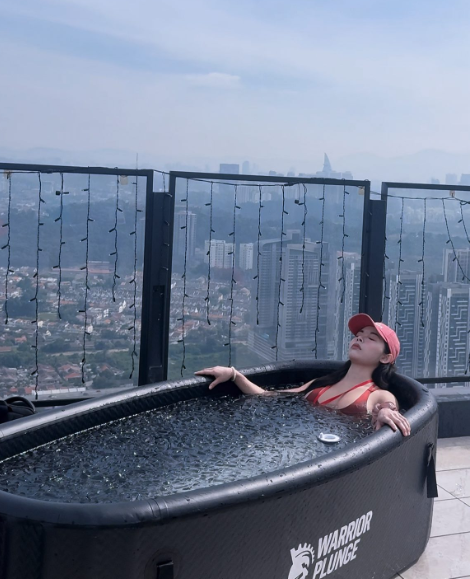
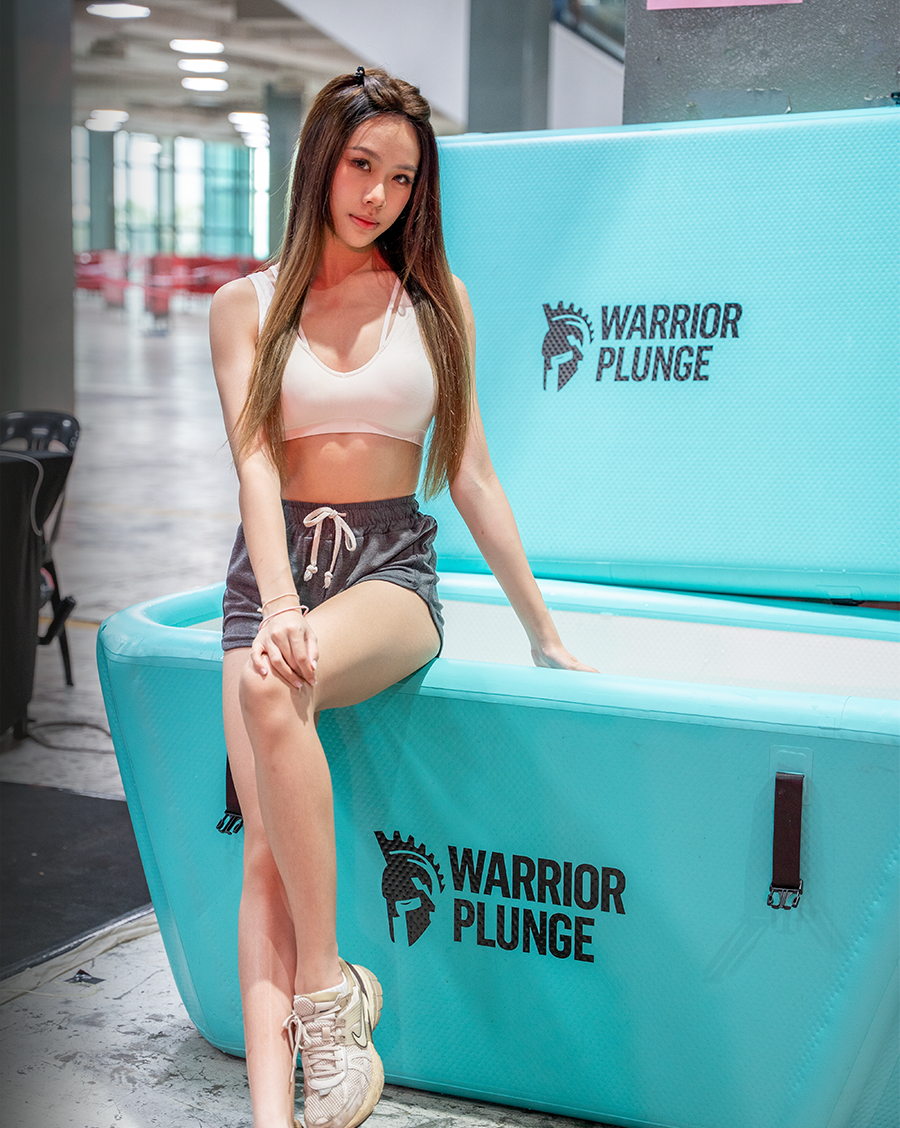
Bagi mereka yang siap membangun konsistensi, bak mandi portabel Warrior Plunge atau set lengkap Chiller & Tub Set membuat rutinitas mandi es menjadi praktis di iklim Malaysia.
Bagaimana Terapi Kontras Menggabungkan Panas dan Dingin untuk Pemulihan?
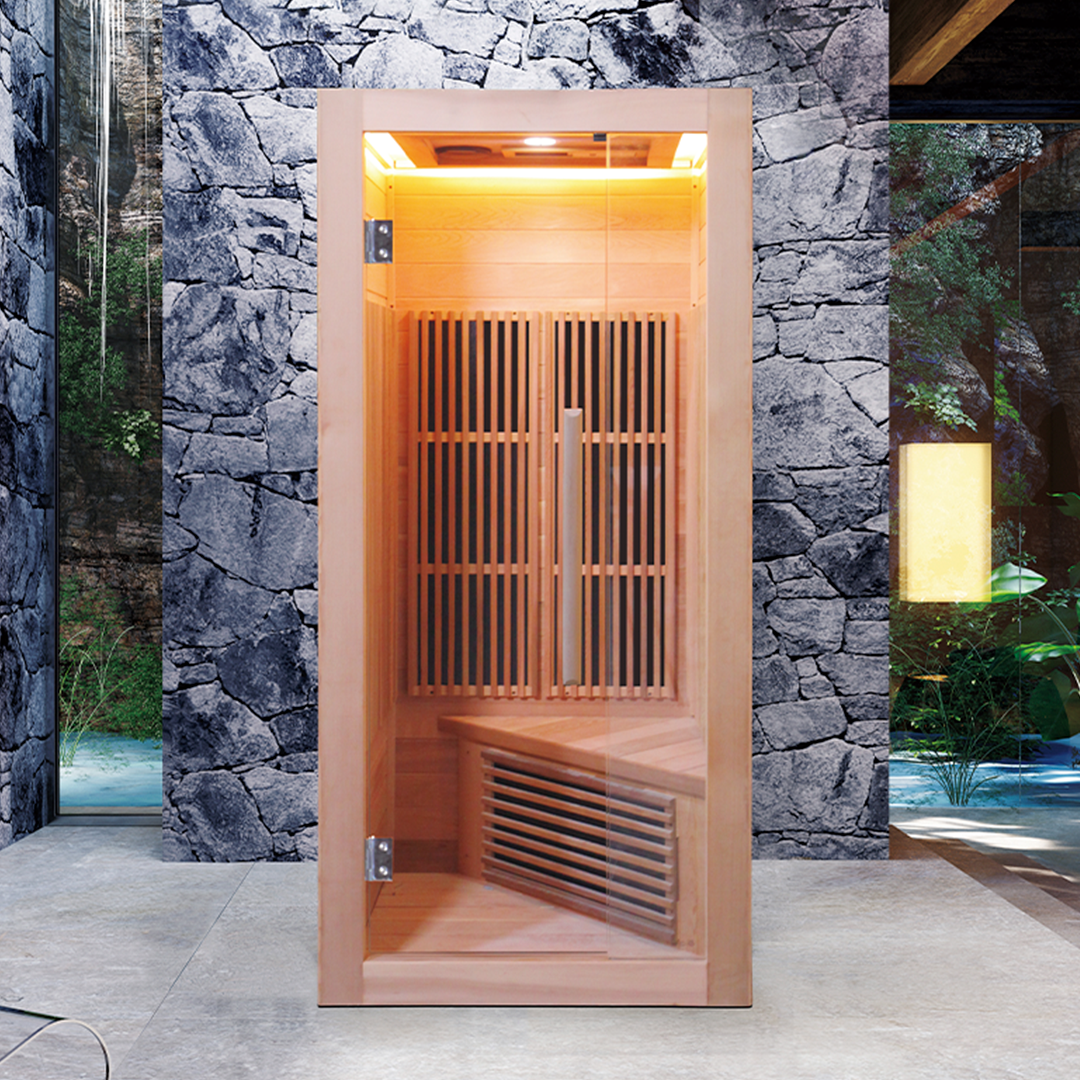
Terapi kontras menggabungkan fase panas dan dingin—biasanya mandi air hangat atau sauna, diikuti dengan berendam air dingin, yang diulang beberapa kali. Siklus panas-dingin ini:
- Memicu vasodilatasi dan vasokonstriksi secara bergantian
- Mendukung sirkulasi dan aliran limfatik
- Dapat mengurangi DOMS dan kekakuan.
- Seringkali membuat orang merasa lebih rileks dan siap untuk tidur.
Templat sederhana yang banyak digunakan orang:
- Hangatkan selama 10–20 menit
- Dinginkan selama 2–5 menit
- Ulangi 2–3 putaran, akhiri dengan kondisi dingin.
Atlet sering melaporkan kenyamanan sendi yang lebih baik dan pemulihan secara keseluruhan dengan terapi kontras, terutama dalam blok latihan berat. Untuk menyusun rutinitas Anda sendiri dengan aman dan efektif, baca Terapi Kontras: Manfaat, Cara Kerjanya & Panduan Cara Melakukannya.
Kesimpulan: Ubah Pemulihan Menjadi Sebuah Sistem, Bukan Sekadar Tebakan
Pemulihan otot bukanlah hal tambahan—melainkan struktur yang memungkinkan latihan Anda membuahkan hasil. Setelah Anda memahami bagaimana otot memperbaiki diri dan apa yang menyebabkan nyeri otot, tujuannya adalah membangun sistem pemulihan sederhana yang dapat Anda ulangi setiap minggu, bukan solusi sekali saja ketika kaki Anda terasa lelah.
Di Malaysia, panas dan kelembapan membuat pemulihan lebih menantang, tetapi juga lebih bermanfaat jika Anda melakukannya dengan benar. Mulailah dengan hal-hal mendasar —tidur yang teratur, nutrisi yang baik, hidrasi, dan rencana yang meningkatkan beban secara bertahap—lalu tambahkan kebiasaan harian seperti gerakan ringan, peregangan, dan manajemen stres.
Dari situ, tambahkan metode berbasis suhu: berendam air dingin dan terapi kontras selama minggu-minggu intensif, turnamen, atau fase latihan akhir pekan yang sibuk.
Bak rendam air dingin portabel di balkon, teras, atau area dalam ruangan dengan saluran pembuangan, ditambah pendingin untuk suhu satu digit yang tepat, mengubah pemulihan menjadi rutinitas yang berulang alih-alih merepotkan.
Dapatkan Warrior Plunge Portable Ice Tub pribadi Anda atau Chiller & Tub Set lengkap hari ini dan rasakan terapi termal kelas profesional di rumah untuk pemulihan otot yang lebih cepat plus peningkatan kesejahteraan.
Pertanyaan yang Sering Diajukan (FAQ) tentang Pemulihan dan Nyeri Otot
Secara sederhana, apa itu pemulihan otot?
Pemulihan otot adalah waktu yang dibutuhkan tubuh Anda untuk memperbaiki serat otot, mengisi kembali energi, dan menenangkan sistem saraf setelah latihan. Pemulihan yang baik memungkinkan Anda untuk berlatih kembali dengan kualitas yang baik, bukan hanya sekadar bertahan di sesi latihan berikutnya.
Berapa lama biasanya rasa nyeri otot berlangsung setelah berolahraga?
Sebagian besar nyeri otot setelah berolahraga (DOMS) akan hilang dalam waktu 24–72 jam. Latihan kekuatan berat, latihan baru, dan lari jarak jauh dapat memperpanjang waktu pemulihan hingga 3–5 hari, terutama jika Anda baru memulai atau kembali berolahraga setelah istirahat.
Apakah nyeri otot merupakan tanda latihan yang baik atau justru kelelahan berlebihan?
Rasa nyeri ringan hingga sedang adalah tanda normal bahwa Anda telah melatih otot Anda dengan keras. Rasa nyeri yang mengganggu aktivitas sehari-hari, berlangsung lebih dari beberapa hari, atau disertai dengan kelelahan terus-menerus adalah peringatan bahwa latihan atau pemulihan perlu diubah.
Kapan saya harus melewatkan latihan karena nyeri otot?
Lewati atau ubah sesi latihan Anda jika nyeri terasa tajam, terfokus pada satu sendi, disertai pembengkakan, atau jika gerakan dasar terasa sakit. Jika Anda hanya merasa kaku secara umum, sesi pemulihan ringan seringkali lebih baik daripada istirahat total.
Apa yang membantu otot yang nyeri pulih lebih cepat di rumah?
Fokuslah pada tidur, hidrasi, makanan kaya protein, dan gerakan ringan. Tambahkan alat bantu seperti peregangan, penggunaan foam roller, dan metode berbasis suhu seperti berendam air dingin atau mandi air dingin—lihat Berendam Air Dingin vs. Mandi Air Dingin: Mana yang Lebih Baik untuk Pemulihan di Malaysia? untuk detail lebih lanjut.
Bagaimana metode berbasis suhu membantu pemulihan otot?
Mandi air dingin, rendaman es, dan terapi kontras membantu mengatasi peradangan, melancarkan peredaran darah, dan mengurangi kelelahan sistem saraf setelah latihan berat. Perendaman air dingin menurunkan suhu jaringan dan pembengkakan, sementara siklus panas-dingin meningkatkan aliran darah, mendukung pembuangan limbah, dan meningkatkan kenyamanan sendi sehingga Anda merasa lebih siap untuk latihan berikutnya.
Seberapa sering saya bisa menggunakan rendaman air dingin atau terapi kontras untuk pemulihan?
Untuk orang yang aktif, 2–6 sesi per minggu adalah hal yang umum, dengan penggunaan lebih sering selama turnamen atau periode latihan berat. Jika kekuatan dan pertumbuhan otot adalah tujuan utama Anda, lakukan rendaman air dingin paling sering di sekitar hari-hari latihan atau pertandingan dan hindari melakukannya langsung setelah setiap sesi angkat beban berat—lihat Terapi Kontras: Manfaat, Cara Kerja & Panduan Cara Melakukannya untuk ide perencanaan.
Baca selengkapnya
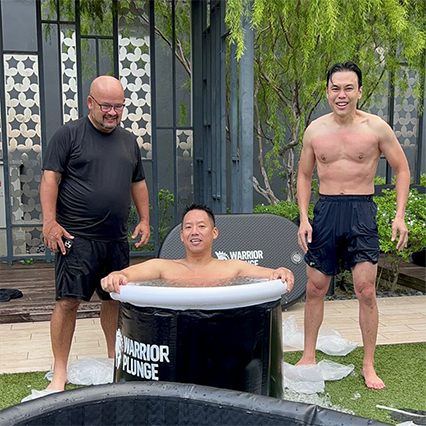
Kuasai etiket berendam air dingin & sauna di Malaysia. Tips persiapan penting, panduan durasi, teknik pernapasan & protokol aman untuk pengguna pertama kali.
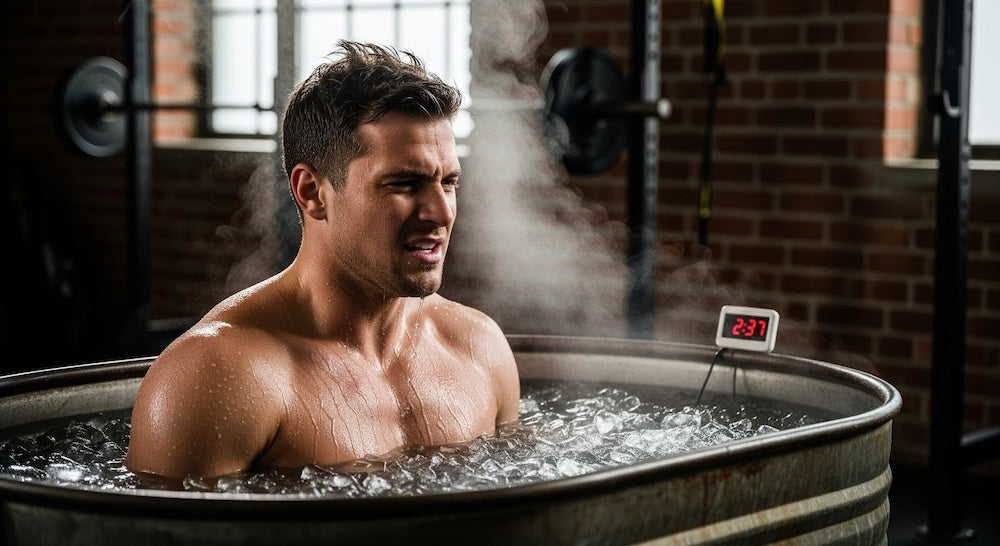
Percepat pemulihan cedera otot menggunakan terapi dingin, kontras, sauna, rehabilitasi, dan pembebanan cerdas. Protokol berbasis bukti dan solusi mudah di rumah.