

Sauna Before Ice Bath: The Perfect Contrast Therapy Sequence
Key Takeaways
-
Sauna before ice bath is the better default for most recovery-focused contrast therapy sessions, with research and standard protocols most often following a hot-to-cold sequence.
-
A practical routine is 15–20 minutes in the sauna followed by 2–5 minutes in the ice bath, usually finishing with cold.
-
Cold-water immersion supports short-term recovery after intense exercise, with research linking it to reduced soreness and better recovery markers.
-
Sauna provides the heat phase, helping raise body temperature and prepare the body for a more controlled cold plunge.
-
Warrior Plunge makes it easier to build a repeatable home contrast routine with sauna and cold plunge systems designed for consistent use.
Why Sauna Before Ice Bath Works Better for Recovery
If your goal is to get more out of contrast therapy, the sequence matters. Sauna before ice bath is often the better starting point for recovery-focused use because it creates a clearer transition from heat to cold, makes the session easier to plan, and reflects how contrast therapy is commonly used in practice and discussed in research.
Starting with heat first also makes it easier to control the contrast session, since you raise body temperature gradually before using cold exposure to finish the cycle with a sharper recovery effect.
Recovery Sequence

Why Is Sauna First Usually Better?
-
It gets your body fully warm before the cold phase.
-
It makes the cold exposure feel more defined and easier to control.
-
Ending with cold often leaves you feeling sharper and more reset.
-
It is easier to standardise as a post-workout routine at home.
For Warrior Plunge users, that matters because the best recovery routine is the one you can repeat consistently.
For a more detailed timing breakdown based on training goals, read Sauna Before or After Workout? Pros & Cons for Each.
What Is the Best Sauna and Ice Bath Sequence Protocol?
For most recovery-focused sessions, the most practical sequence is sauna first, then ice bath.
Recommended Contrast Therapy Protocol
-
Sauna: 15–20 minutes
-
Ice bath: 2–5 minutes
-
Rounds: 1–3, depending on experience
-
Best way to finish: end with cold
This order works because it is easy to repeat, easy to adjust, and fits how contrast therapy is most often used in practice. The goal is simple: use heat to raise body temperature and settle into the session, then use cold to finish with a stronger recovery effect and a cleaner reset.
Contrast therapy literature also most commonly describes a hot–cold sequence, which supports sauna before ice bath as the standard default.
Beginner Protocol
If you are new to contrast therapy, start conservatively:
-
Sauna: 10–15 minutes
-
Ice bath: 1–3 minutes
-
Rounds: 1 only
Focus on calm breathing, a steady entry into the cold, and consistency across sessions. The point is not to make the session harder than it needs to be. The point is to make it sustainable.
Intermediate to Advanced Protocol
If you already use saunas or cold plunges regularly:
-
Sauna: 15–20 minutes
-
Ice bath: 2–5 minutes
-
Rounds: 2–3 maximum
More is not always better. If you feel dizzy, lightheaded, unusually drained, or slow to recover after the session, reduce the length or number of rounds.
What Temperature Should the Sauna Be?
The right sauna temperature depends on the sauna type, your heat tolerance, and how intense you want the contrast to feel before moving into cold.
Sauna Temperature Guide
-
For a traditional dry sauna, a typical range is 80°C to 100°C. That is the range most often described in Finnish sauna research and reviews. If you are newer to high heat, start lower and shorten the session rather than forcing the full upper range.
-
For infrared saunas, lower temperatures are normal. A common operating range is 40°C to 60°C, which makes sessions easier to tolerate and easier to repeat.
Cold Temperature Guide
On the cold side, shorter sessions in the 5°C to 10°C range are commonly used for recovery-focused cold-water immersion. Lower temperatures and shorter durations were associated with better outcomes for some measures such as muscular power and serum creatine kinase.
If you are new to cold plunging, start warmer and work down gradually. You do not need extreme cold to get value from the session.

Stay within these research-supported temperature ranges to maximize recovery while maintaining safety.
Why Do Athletes Use Sauna and Ice Bath Together?
Athletes use contrast therapy because better recovery supports better training. When soreness and fatigue carry into the next session, performance usually drops.
Cold-water immersion has stronger short-term recovery evidence. A 2022 meta-analysis found improvements in muscular power, muscle soreness, serum creatine kinase, and perceived recovery after intense or eccentric exercise.
A 2023 systematic review also reported benefits for soreness, perceived exertion, lactate, CK, and countermovement jump after high-intensity exercise.
This is especially useful during:
-
heavy training blocks
-
competition weekends
-
back-to-back hard sessions
-
weeks where staying ready matters more than pushing one maximal effort
Sauna completes the routine by creating a clear heat phase before the cold. That makes the session feel more structured and easier to repeat.
Used together, sauna and ice bath can support:
-
faster recovery between sessions
-
a clearer mental reset after training
-
a routine that is easier to maintain at home
To go deeper, read Contrast Therapy: Benefits, How It Works & How To Do Guide, and Ice Bath Benefits: Research, Testimonials & More for a fuller look at how heat and cold work together in a recovery routine.
What Happens in the Body During Sauna Then Ice Bath?
The body is responding to a transition from heat to cold, not two separate treatments.
During the Sauna Phase
Heat raises body temperature, increases sweating, and shifts blood flow toward the skin. In practical terms, it helps the body settle into the session and prepares it for the cold that follows. Finnish sauna research typically describes exposure to 80°C to 100°C for brief periods, often followed by a cooling phase.
During the Ice Bath Phase
Cold immersion rapidly lowers skin temperature and creates a stronger cold response than a cool shower. This is where most of the short-term recovery evidence sits, especially for reduced soreness, improved perceived recovery, and some performance-related outcomes after intense exercise.
During the Transition
The shift from heat to cold is what defines contrast therapy. The practical takeaway is simple: heat prepares, cold finishes.
Should You Ever Do Sauna After Ice Bath?
Yes, but it depends on the goal.
Sauna after ice bath can still make sense when:
-
you do a short cold plunge first and want to warm up after
-
your session is more about relaxation than recovery
-
you prefer ending calm rather than alert
-
you are using heat and cold separately rather than following a full contrast routine
It is less ideal when:
-
you want a standard post-workout protocol
-
you want a routine that is easy to standardise at home
-
you want to finish cold, sharp, and recovered
-
you are using contrast therapy mainly to support readiness between training sessions
For most users, the conclusion stays the same: sauna after ice bath can work, but sauna before ice bath is the better default.
Is Contrast Therapy Good for Muscle Growth?
It can support recovery, but that does not mean it should follow every lifting session.
Cold-water immersion is most useful when the goal is to manage soreness, recover faster, and stay ready for the next effort. That makes it more relevant during competition phases, high-frequency training weeks, and tight recovery windows than during every hypertrophy-focused block.
A practical way to use it:
-
use it more often during competition phases, demanding training blocks, and tight recovery windows
-
use it more selectively during hypertrophy-focused phases if muscle growth is the main priority
This keeps the advice balanced without treating contrast therapy as the right choice after every workout.
Creating the Right Home Sauna and Ice Bath Setup
If you want to make contrast therapy part of your week, convenience matters.
The best setup lets you move through the sequence without friction:
-
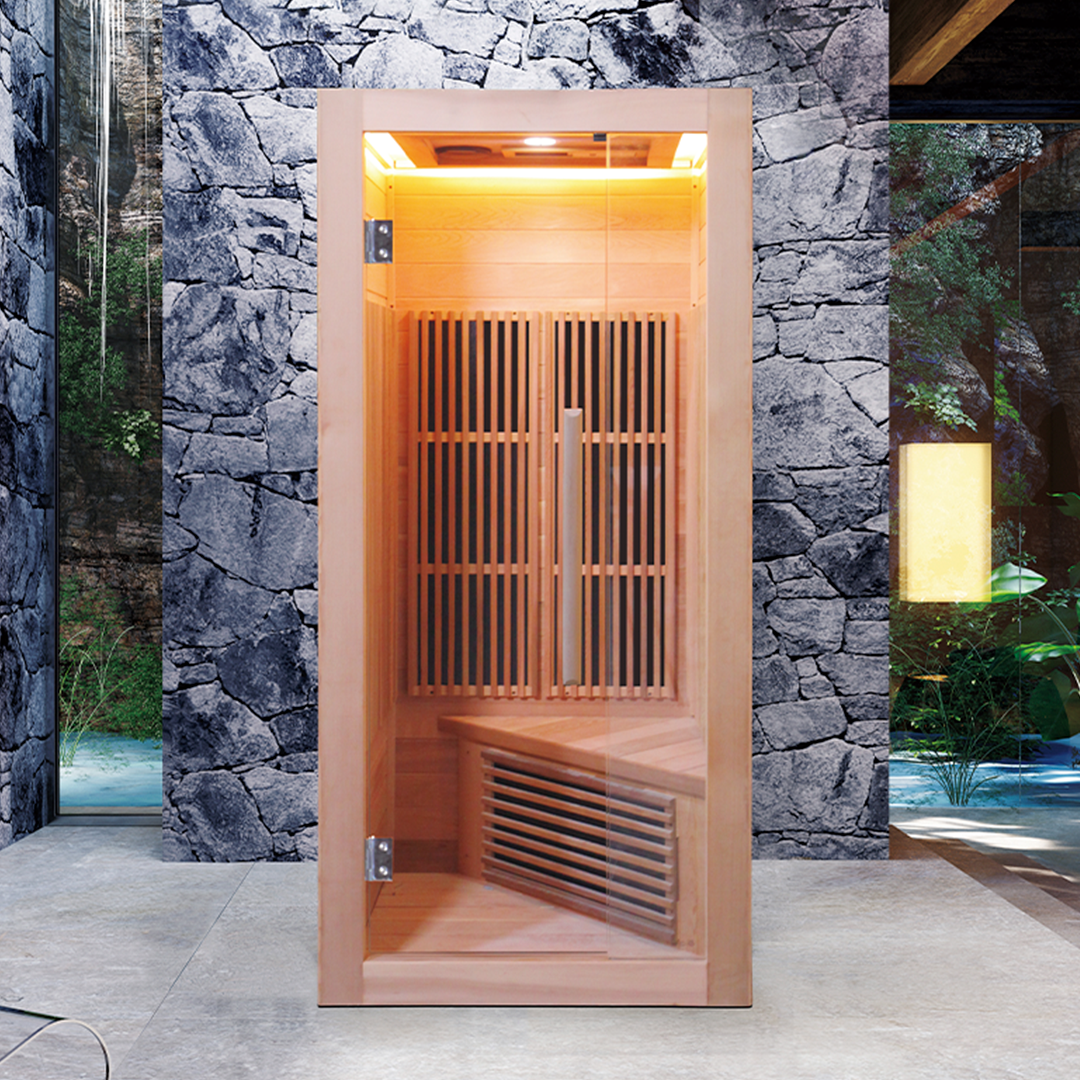
a sauna that fits your heat tolerance and space
-
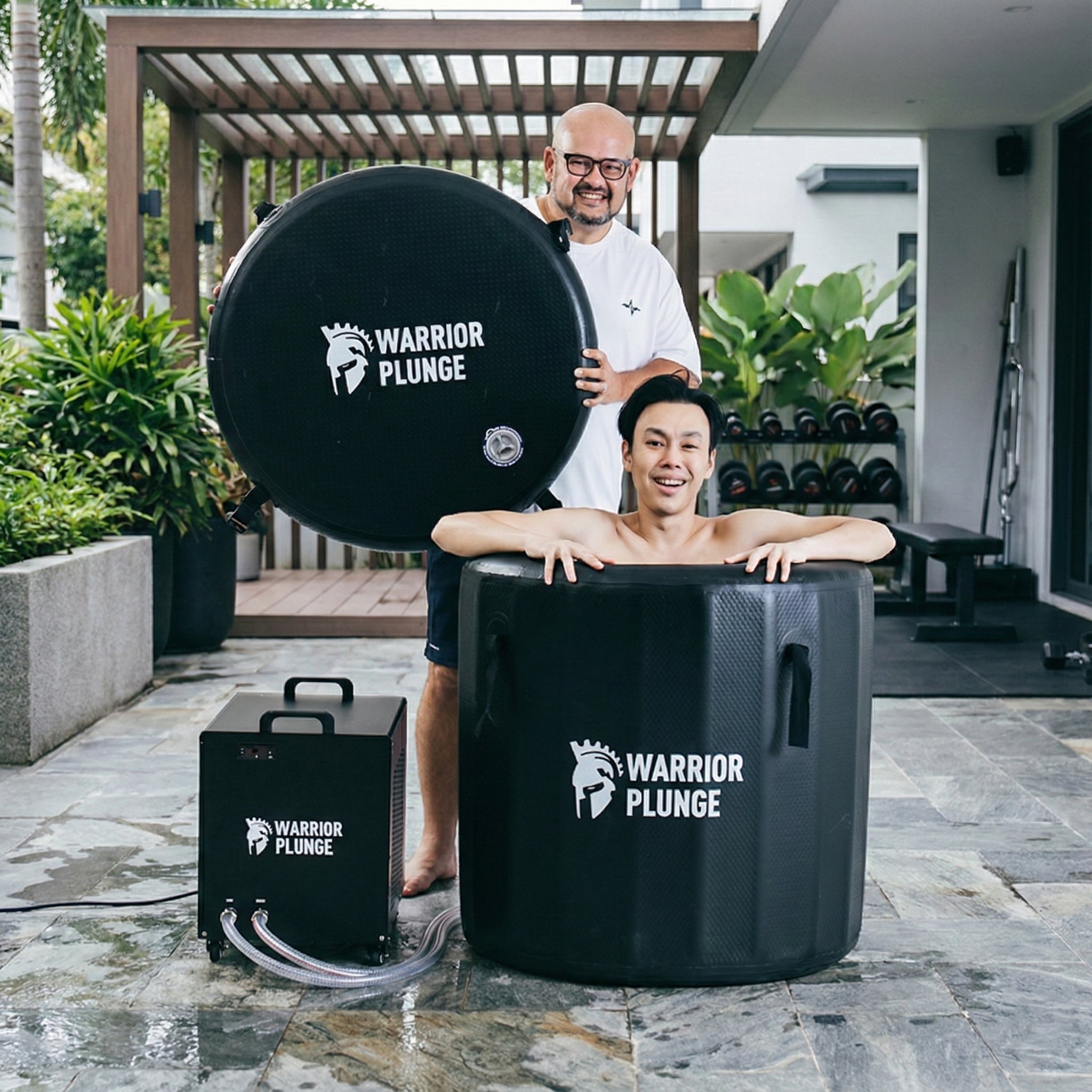
a chilled plunge system that gives you stable cold temperatures
-
a setup you can use consistently
A complete setup makes the sequence easier to follow and easier to repeat. To get a better idea of what to expect and things to consider for a home sauna installation, refer to Home Sauna Installation in Malaysia: Complete Setup Guide for more information.
Speak with a Recovery Specialist to find the right setup for your space, routine, and recovery goals.
Safety Tips Before You Try Sauna and Ice Bath
Contrast therapy should feel controlled, not reckless.
Keep These Rules Simple
-
start with one round if you are new
-
hydrate before and after
-
do not force longer cold exposures
-
exit if you feel dizzy, faint, or unwell
-
build tolerance over time instead of jumping straight into extremes
Use Extra Caution If You Have
-
cardiovascular issues
-
uncontrolled blood pressure problems
-
a history of fainting
-
poor heat tolerance
-
medical conditions affecting circulation or recovery response
If you are unsure, shorten the session, reduce the temperature extremes, and build up gradually.
For more safety tips, read Cold Plunge & Sauna Safety in Malaysia’s Climate: A Beginner’s Guide
Conclusion: Sauna Before Ice Bath Is the Better Default
For most people, the better contrast therapy sequence is 15–20 minutes in the sauna followed by 2–5 minutes in the ice bath.
That order is easier to repeat, better suited to recovery-focused use, and more aligned with how contrast therapy is commonly described in the literature. Cold immersion has the stronger short-term recovery evidence, while sauna provides the heat phase that sets up the transition into cold. Taken together, that makes sauna before ice bath the clearest default for athletes, serious wellness users, and anyone building a repeatable routine at home.
Browse Warrior Plunge’s sauna and ice bath range, or talk to a Recovery Specialist for help comparing options, planning your setup, and choosing a system that fits how you want to recover at home.
Further Readings:
-
Cold Plunge vs. Cold Showers: Which is Better for Recovery in Malaysia?
-
Beyond the Burn: Ice Bath & Sauna Benefits for Mental Health
-
Is Cold Plunge & Contrast Therapy Worth It in 2026? A Practical Recovery Guide for Active Malaysians
-
How to Choose the Right Cold Plunge & Sauna Experience in Malaysia
FAQs
Is sauna before ice bath the best order?
For most recovery-focused sessions, yes. Direct order-comparison studies are limited, but contrast therapy research most commonly uses a hot–cold sequence, which makes sauna before ice bath the strongest default protocol.
Can sauna after ice bath still work?
Yes. It can make sense if your main goal is warming back up, relaxing, or ending the session calm rather than alert.
What is the best sauna and ice bath sequence?
A practical sequence is 15–20 minutes in the sauna followed by 2–5 minutes in the ice bath, usually ending with cold.
How long should I stay in the ice bath after sauna?
Most users should stay in for 2–5 minutes, depending on experience, tolerance, and water temperature.
What temperature should a sauna be for contrast therapy?
A traditional sauna is typically 80°C to 100°C. An infrared sauna typically runs lower, around 40°C to 60°C.
Is sauna before ice bath good after a workout?
Yes. It is especially useful after high-intensity sessions, busy training weeks, and competition periods where soreness and next-day readiness matter.
Does Warrior Plunge offer a complete sauna and ice bath setup for contrast therapy?
Yes. Warrior Plunge offers both sauna and cold plunge systems, making it easier to build a complete contrast therapy setup at home instead of piecing products together separately. This gives you a more consistent way to follow a sauna-before-ice-bath routine.
How do I choose the right Warrior Plunge setup for my space and routine?
The right setup depends on your available space, preferred heat experience, recovery goals, and how often you plan to use contrast therapy. Some users may want a compact home setup, while others may be looking for a more dedicated recovery space.
Speak with a Warrior Plunge Recovery Specialist for help comparing options and choosing the right setup for your home and routine.
Can Warrior Plunge help beginners start contrast therapy safely?
Yes. If you are new to sauna and ice bath use, Warrior Plunge can help you choose a system that matches your comfort level and intended use, whether you are starting with shorter sessions or building a more structured weekly recovery routine.
Talk to our Recovery Specialist for guidance on getting started today!
Baca selengkapnya
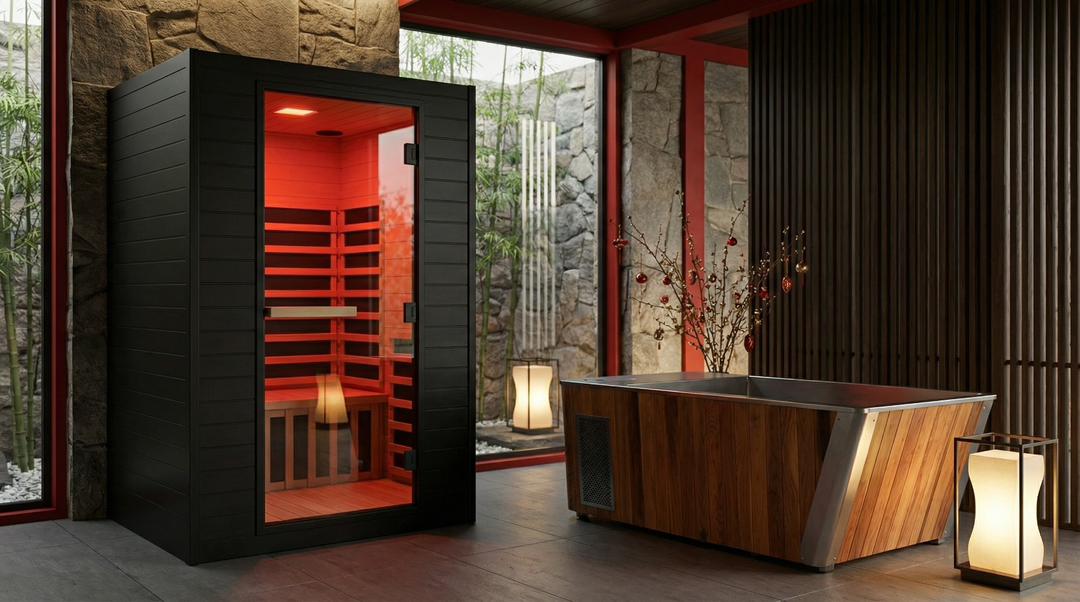
Learn how infrared saunas work, their benefits, safety considerations, and whether they suit recovery, daily use, and home setups in Malaysia.
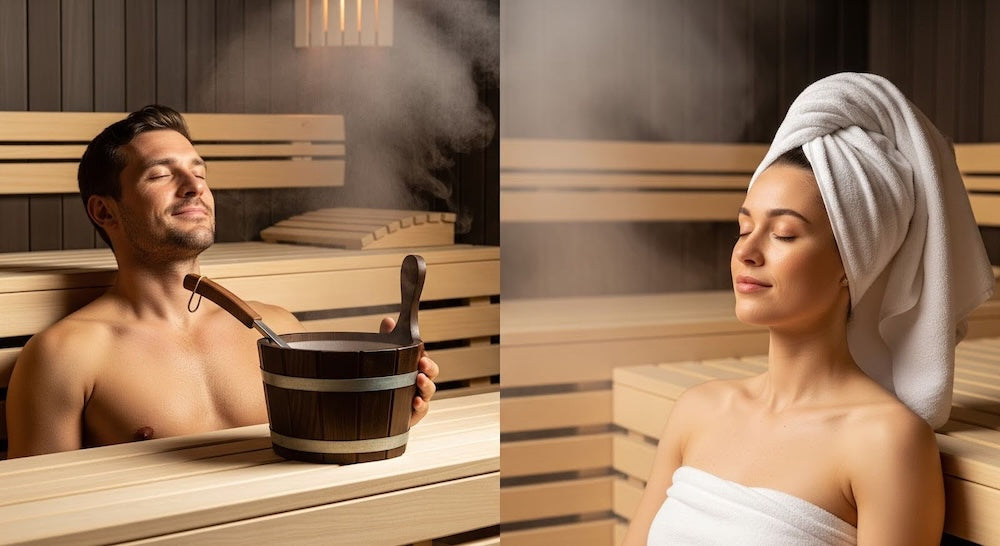
Compare portable sauna vs traditional sauna by cost, space, heat, setup, and long-term value. See which Warrior Plunge sauna fits your home best.