


Infrared Saunas: Benefits & All You Need To Know
Key Takeaways
- Infrared saunas heat the body directly instead of warming the surrounding air
- Lower temperatures make sessions easier to tolerate and repeat
- Suitable for beginners, frequent users, and heat-sensitive individuals
- Infrared saunas support recovery with less overall fatigue
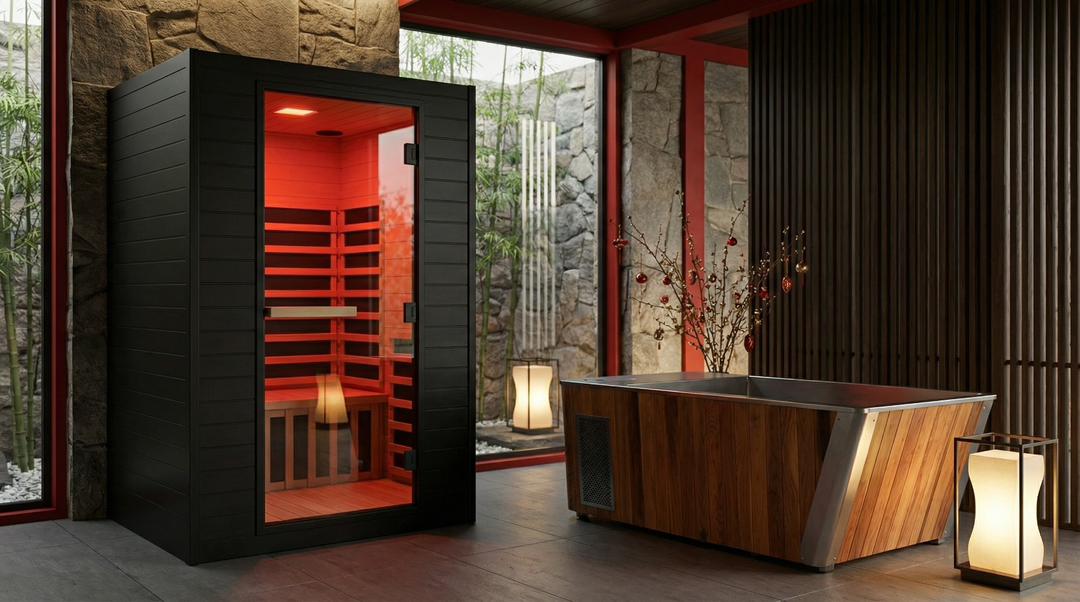
- Often used alongside cold plunges for lower-strain contrast therapy routines
Why Infrared Saunas Feel Different From Traditional Saunas
Infrared saunas have become increasingly popular for home use, especially among people who want the benefits of heat exposure without extreme temperatures. Unlike traditional saunas, infrared saunas do not rely on hot air to raise body temperature.
Instead, heat is delivered directly to the body, changing how sessions feel, how long users can stay inside, and how often they return.
For an overview of how infrared saunas compare with other sauna formats, see Types of Saunas Explained: Which One Is Best for You?
Read also: Infrared vs. Traditional Sauna: Which One Is Better For You?
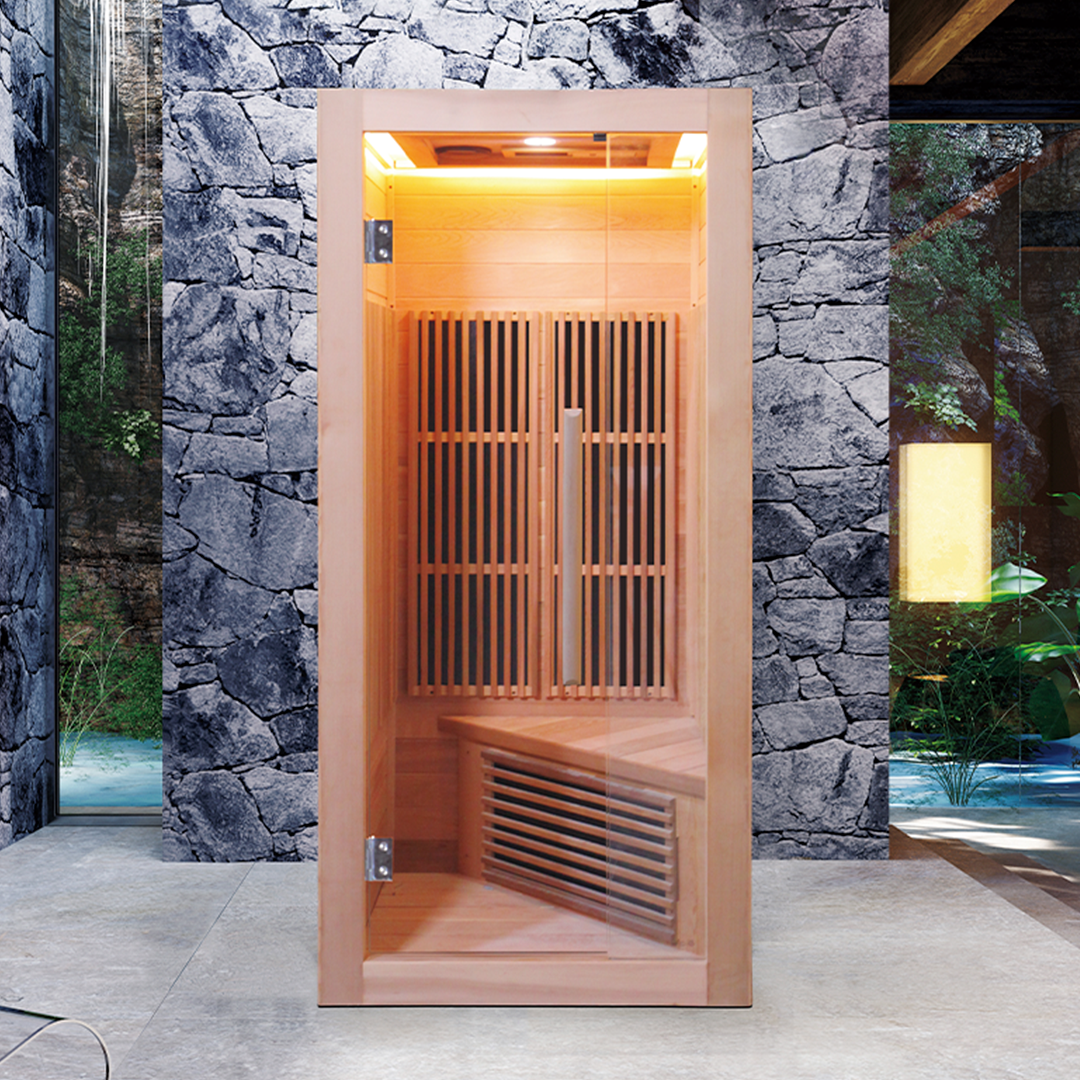
How Infrared Saunas Work

Infrared saunas use radiant heat panels that emit infrared energy. This energy penetrates the skin and warms the body directly, while the surrounding air remains relatively cool. Because the air temperature is lower, the body experiences less breathing strain and perceived intensity, even as sweating and circulation increase.
What an Infrared Sauna Session Feels Like
Compared to high-heat saunas, infrared sessions are generally calmer and more controlled.
Typical session characteristics:
- Ambient temperature around 40–60°C
- Gradual increase in body heat
- Slower, sustained sweat response
- Easier breathing throughout the session
Benefits of Infrared Saunas
Infrared saunas are commonly used to support:
- Muscle relaxation after training
- Circulation and blood flow
- General recovery between sessions
- Relaxation and stress management
Infrared Sauna vs Traditional Dry Sauna

A peer-reviewed study published in the Journal of Human Kinetics found that infrared sauna bathing produces cardiovascular responses similar to traditional saunas, despite operating at lower ambient temperatures.
For a side-by-side breakdown focused on decision-making, see Infrared Sauna vs. Traditional Sauna: Which One Is Better For You? and Dry vs Wet Sauna: All You Need To Know.
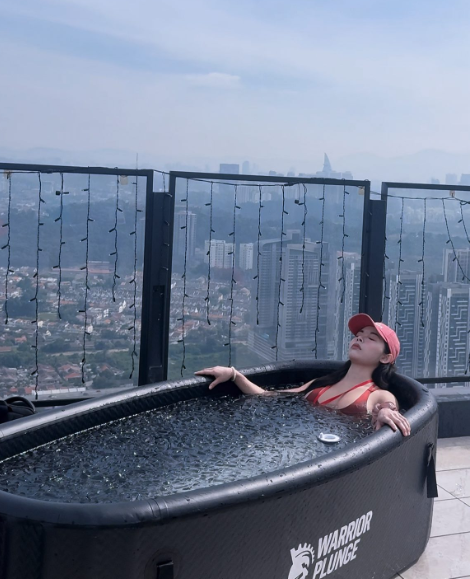
Infrared Saunas and Contrast Therapy

To understand how contrast therapy works in detail, read Contrast Therapy: Benefits, How It Works & How To Do Guide and Is Cold Plunge & Contrast Therapy Worth It in 2026?
Conclusion: A Sustainable Way to Use Sauna Regularly
To see how infrared saunas fit into a complete recovery setup, explore Warrior Plunge’s Sauna systems or visit our showroom today to experience it firsthand.
FAQs
What is an infrared sauna?
An infrared sauna uses radiant heat panels to warm the body directly rather than heating the surrounding air.
Are infrared saunas suitable for Malaysian homes?
Yes. They are designed for home use, with temperature ranges and setups suited to local climate conditions. Visit our showroom today.
Baca selengkapnya
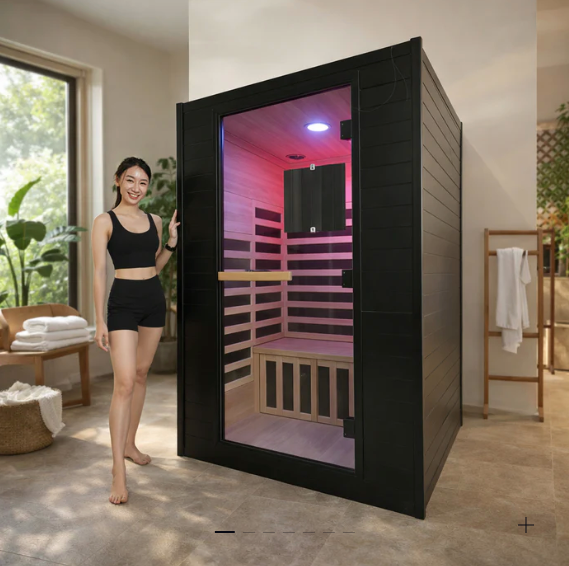
Complete guide to home sauna installation in Malaysia: space requirements, electrical needs, costs & permits. Get free home sauna setup from Warrior Plunge now!
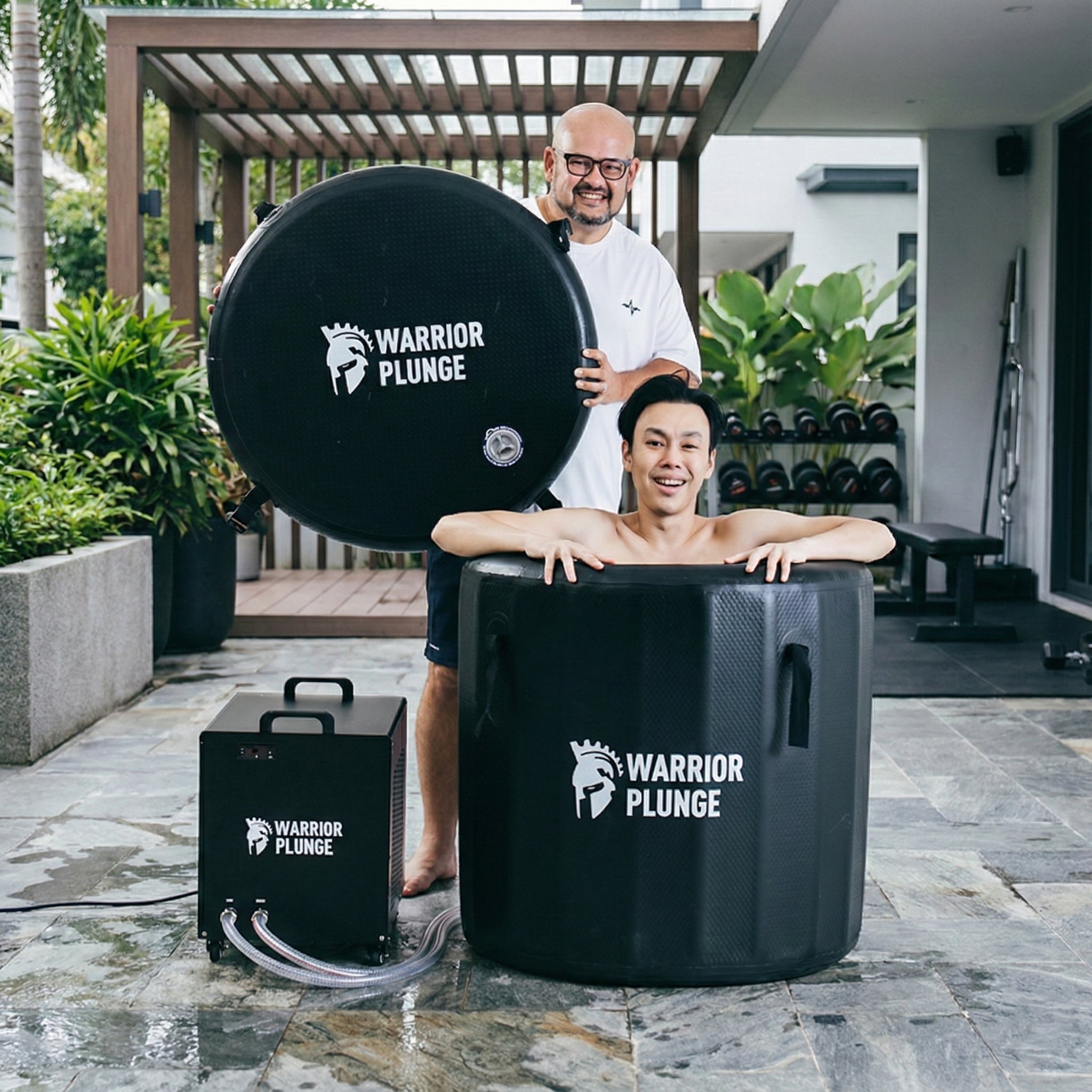
Learn the best sauna before ice bath routine, ideal timings, benefits, safety tips, and the right home contrast therapy setup.