


Sauna for Office Workers in Malaysia: Beat Desk Fatigue, Stress & Sedentary Pain
Key Takeaways
- Office workers in Malaysia spend long hours seated, often leading to stiff hips, tight shoulders, neck strain, lower back discomfort, poor circulation, and stress buildup.
- Sauna use can support office recovery by increasing heat exposure, sweat response, circulation, relaxation, and muscle tension relief.
- The best sauna timing for most desk workers is after work or in the evening, when the body can shift from work stress into recovery.
- A simple 20-minute sauna and stretch routine can help busy professionals stay consistent.
- Condo-friendly sauna options make home recovery more practical, especially for remote workers.
- Sauna should support movement, hydration, sleep, ergonomics, and recovery habits — not replace them.
Why Office Workers in Malaysia Feel Tired, Stiff, and Stressed
Office fatigue is not just mental. It is physical.
A typical office day may involve hours at a desk, long screen time, back-to-back meetings, traffic stress, and limited movement. For remote workers, the pattern can be worse because the commute disappears but sitting time increases.
Research on Malaysian office workers shows why desk fatigue should be taken seriously. Long sitting hours are linked with sedentary behaviour concerns, while musculoskeletal discomfort can reduce productivity through absenteeism and presenteeism.
In practice, this often shows up as neck and shoulder tightness, lower back discomfort, stiff hips and hamstrings, poor circulation in the legs, afternoon brain fog, lingering work stress, and poor sleep after intense workdays.
That is why office recovery should be treated like a system. Sauna is one useful tool, especially when paired with movement, stretching, hydration, better workstation habits, and sleep.
How Does a Desk Job Affect the Body?
A desk job keeps the body in one position for too long. The hips stay flexed, the upper back rounds, the neck moves forward, and the lower back carries more load than it should.

This is why desk pain often follows a predictable pattern: neck strain, shoulder tightness, lower back discomfort, stiff hips, and heavy legs. Frequent posture changes and movement breaks matter because the body is built to move, not stay locked at a screen for hours.
Sauna cannot undo a poor workstation by itself. But it can help create a recovery window where the body relaxes, tissue temperature rises, and stretching feels easier.
For a deeper mobility routine, read: Sauna for Stretching, Flexibility & Mobility: Complete Guide for Malaysian Athletes.

Does Sauna Help Muscle Pain and Stiffness From Sitting?
Yes. Sauna heat can ease the muscle pain and stiffness that build up from long hours at a desk by warming tight tissue, supporting blood flow, and helping the body shift out of a tense seated posture.
Desk stiffness usually settles in predictable places: the neck and upper back from leaning over a screen, the hip flexors held short while sitting, the lower back from poor chair support, and the legs from low movement.
Why Heat Loosens Desk Stiffness
Heat works well for this pattern because it relaxes guarded muscles and makes tight tissue feel more pliable. The strongest clinical evidence is for lower back pain. In a randomised controlled trial on chronic low back pain, infrared heat reduced average pain scores from 6.9 to 3.0 after seven weekly sessions, compared with 7.4 to 6.0 in the placebo group. No adverse effects were recorded.
Sauna works best after a sitting-heavy day because it creates a warm recovery window. Stretching feels easier, light mobility feels smoother, and the body feels less locked. Use that window for neck and shoulder mobility, hip flexor stretches, glute activation, light walking, and upper back movement.
One caveat: heat manages discomfort, but it does not fix the cause. A poor workstation, weak glutes, and eight unbroken hours of sitting will keep rebuilding the same stiffness.
Use sauna as part of a system that includes movement breaks, strength work, hydration, and better desk setup.
How Soon Will You Feel the Sauna Benefit?
Most people feel warmth, looseness, and reduced tightness after the first session. Lasting relief from persistent desk pain usually builds over weeks of steady use.
| Timeframe | What Most Desk Workers Notice |
|---|---|
| First session | Immediate warmth and looser muscles; best paired with light stretching |
| First 1–2 weeks | Calmer evening wind-down and stiffness that returns more slowly |
| 3–4 weeks | Clearer improvement when using sauna 3–4 times weekly |
| Ongoing | Best results when sauna is combined with movement, strength, and workstation fixes |
Frequency matters. Three or four short, comfortable sessions each week are usually more useful than one long, intense session. A Cochrane review on superficial heat for low back pain found that heat wraps reduced pain after five days, and adding exercise improved results further after seven days.
For a sharper post-work reset, you can add a short cold phase after sauna: warm through, cold plunge for two to three minutes, then rest. Build contrast therapy gradually once sauna alone feels comfortable.
What Is the Best Sauna Timing for Office Workers?
The best sauna timing depends on your work schedule, commute, and sleep pattern.
For most Malaysian office workers, evening sauna use is the easiest routine to maintain. It gives the body a clear transition from work stress into recovery.
| Timing | Best For | Suggested Use |
|---|---|---|
| Morning | Remote workers, flexible schedules | Short 8–12 minute session, then shower |
| Lunch break | Home office users | 10–15 minutes only, avoid overheating before work |
| After work | Most office workers | 15–20 minutes plus stretching |
| Before bed | High-stress workers | Earlier evening, not immediately before sleep if heat keeps you alert |
Avoid intense sauna sessions right before important meetings, long drives, alcohol, or heavy meals. Malaysia’s heat and humidity also make hydration more important. Drink water before and after, and stop if you feel dizzy, nauseous, or unusually weak.
The 20-Minute Sauna Routine for Busy Professionals
Busy office workers do not need a long recovery session. Consistency beats extreme duration.
Use this simple routine after work, after a commute, or after your final work-from-home call.

20-Minute Desk Fatigue Sauna Protocol
Step 1: Hydrate — 2 minutes
Drink water before the session. Add electrolytes if you sweat heavily or train after work.
Step 2: Sauna — 10–15 minutes
Keep the heat comfortable. The goal is relaxation, not exhaustion.
Step 3: Cool down — 2 minutes
Step out, breathe slowly, and let your heart rate settle.
Step 4: Desk stretch reset — 5 minutes
Perform one round:
- 30 seconds neck side stretch per side
- 10 shoulder rolls
- 30 seconds doorway chest stretch
- 30 seconds hip flexor stretch per side
- 10 cat-cow movements
- 10 bodyweight squats
- 5 slow deep breaths
This is enough to create a repeatable post-work recovery habit without turning recovery into another task.
Why Sauna and Desk Stretches Work Well Together
Sauna and stretching work well together because heat makes the body feel more ready to move. After a session, many office workers feel less stiff because tissue temperature rises and muscles relax.
Use that window for slow, controlled mobility rather than forced deep stretching. Keep the goal simple: move better, breathe slower, and release the workday.
For a stronger stretching framework, read: Sauna for Stretching, Flexibility & Mobility: Complete Guide for Malaysian Athletes.
Can Sauna Help With Work Stress and Mental Fatigue?
Sauna can support stress relief because it creates a controlled recovery environment away from screens, notifications, and work pressure.
Heat exposure also produces a strong body response. In one study, a sauna session caused heart rate and blood pressure changes similar to moderate physical activity during exposure, followed by recovery after the session.
For high-pressure jobs, sauna offers a practical reset: it gets you away from screens, slows your breathing, helps your body shift from work mode into recovery mode, gives your evening routine more structure, and creates a clear signal that the workday is over.
For mental health, be clear: sauna can support relaxation, mood, and stress management, but it is not a replacement for therapy, medication, or medical care.
For women balancing work stress, hormonal changes, sleep, and recovery, read: Sauna for Women’s Health (Hormones, Menstrual Cycle, Menopause).
Read next: Beyond the Burn: Ice Bath & Sauna Benefits for Mental Health
Can Sauna Improve Work Performance and Productivity?
Sauna may support work performance indirectly by improving recovery habits. It does not make someone productive by itself. The stronger point is that office workers perform better when pain, stress, sleep disruption, and fatigue are managed well.
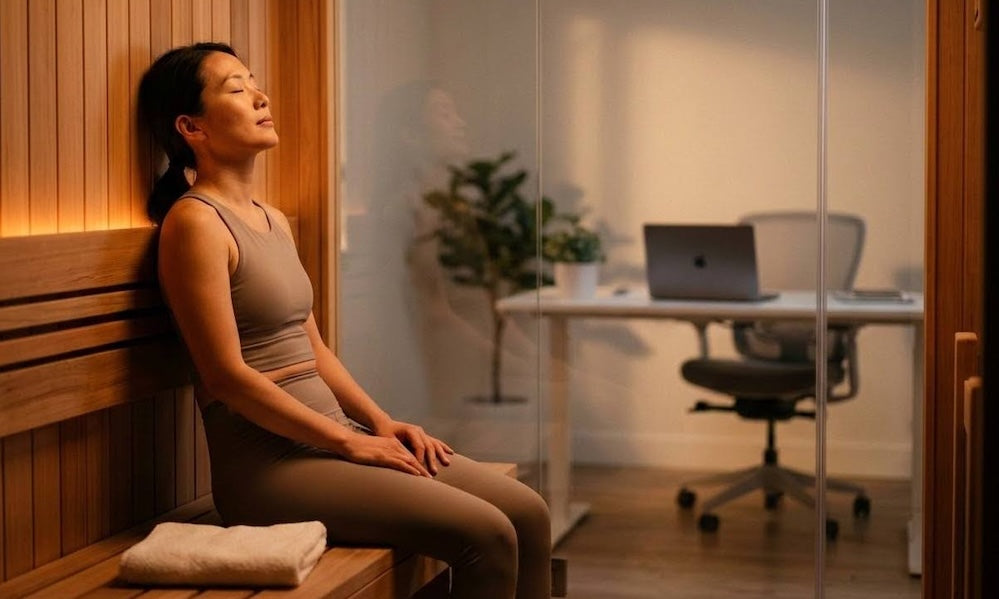
For professionals who spend most of the day thinking, writing, coding, presenting, or managing teams, recovery affects focus. A short evening sauna routine can help reduce physical discomfort, support a clearer work-to-rest transition, and make it easier to show up sharper the next day.
What Sauna Setup Works for Malaysian Office Workers?
The right sauna depends on your space, budget, ventilation, and routine. For Malaysian apartments, condos, and landed homes, the main options are:
| Sauna Type | Best For | Space Needs |
|---|---|---|
| Portable steam sauna | Beginners, renters, small rooms | Lowest space requirement |
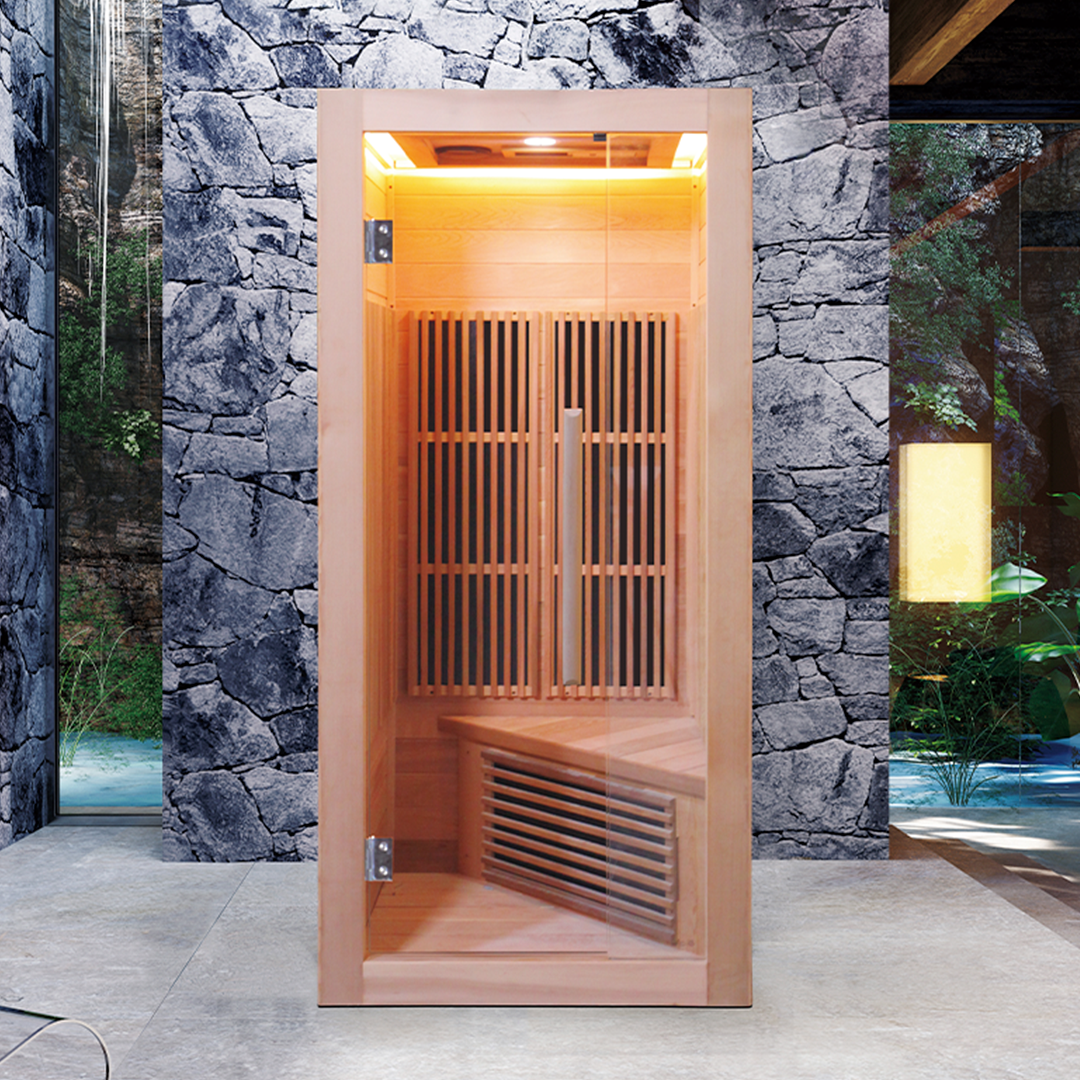
| Infrared sauna | Professionals wanting a compact home setup | Small dedicated corner |
| Traditional Finnish sauna | Landed homes, larger renovation plans | More planning needed |
| Custom sauna | Premium homes, wellness rooms, commercial spaces | Built around available space |
For KL, Selangor, and Penang condo residents, check floor space, nearby power access, ventilation, flooring, moisture control, and condo rules before choosing a model. A portable steam sauna is often the easiest entry point for renters and smaller apartments. An infrared sauna suits users who want a cleaner, more permanent home recovery corner.
For cost planning, read: How Much Does Home Sauna Cost in Malaysia? Complete Price Guide.
Setting Up Sauna Recovery at Home With Warrior Plunge
Consistency is easier when the sauna is a few steps away rather than a drive across the city. For desk workers, that convenience is what turns a good intention into three or four sessions a week.
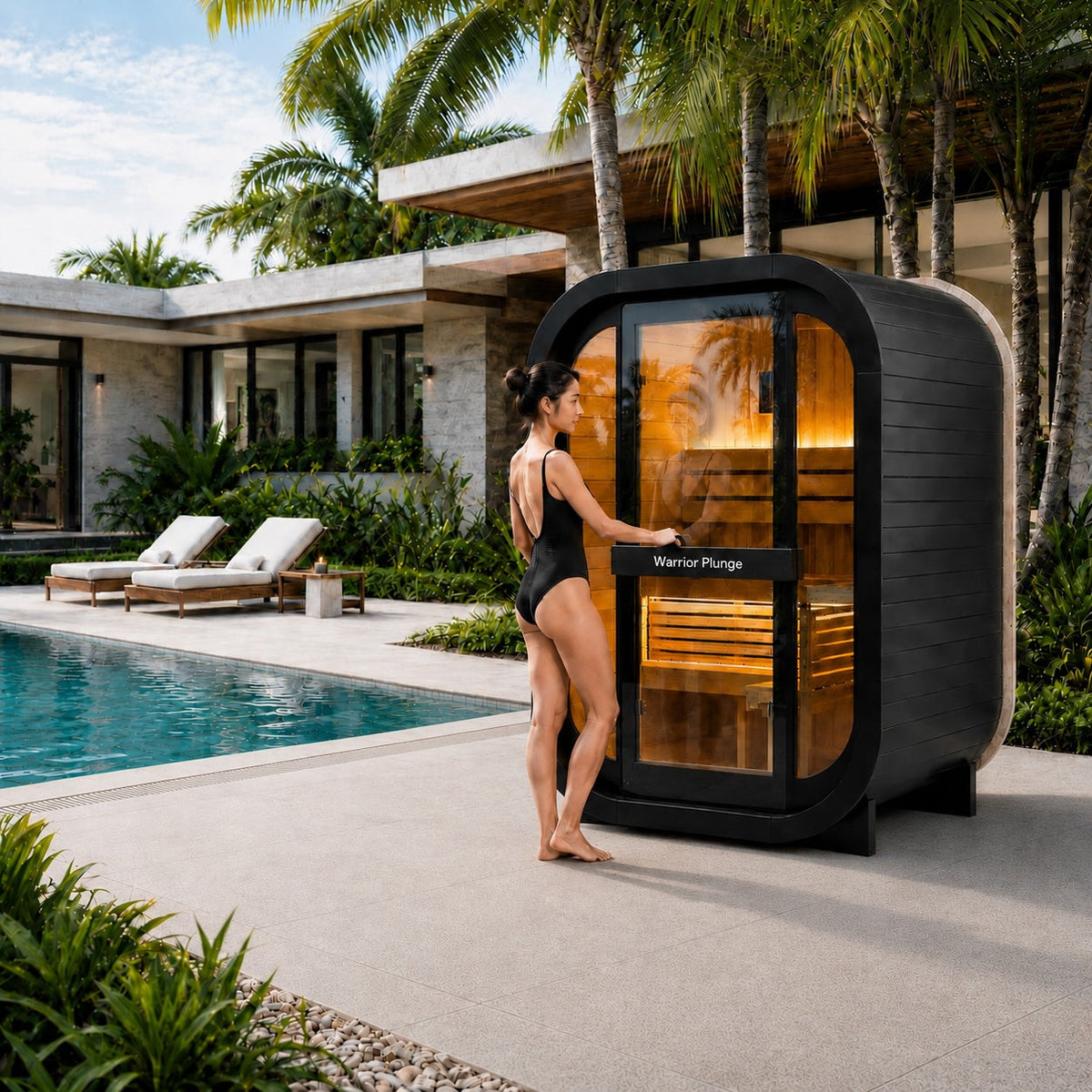
Warrior Plunge offers portable, infrared, Finnish, and custom sauna options for Malaysian homes, condos, and commercial recovery spaces. Selected systems include app-controlled temperature, so you can set the heat from your phone and step in when it is ready.
Across West Malaysia, Warrior Plunge handles delivery and installation, with local support available for setup guidance.
Can Office Workers Add Cold Plunge After Sauna?
Yes, but keep it simple. Once sauna alone feels comfortable, office workers can add a short cold phase for a sharper post-work reset.
A simple contrast routine looks like this:
- Sauna for 10–15 minutes
- Cold plunge for 2–3 minutes
- Rest and rehydrate
This can help create a clearer work-to-recovery transition after long desk days. Start light, avoid extremes, and build gradually based on your heat and cold tolerance.
For a complete home setup, pair a Warrior sauna with a Warrior ice bath system so your heat and cold recovery routine stays controlled, repeatable, and easy to follow.
Conclusion: Office Recovery Should Be Part of Your Work Performance Plan
Desk fatigue is not something to ignore until it becomes pain.
For Malaysian office workers, sauna offers a practical way to recover from sitting, screen time, stress, and post-work stiffness. It works best when used as part of a full routine: movement breaks, stretching, hydration, better sleep, strength training, and proper workstation habits.
If you work long hours or from home, the goal is not to add another complicated wellness habit. The goal is to build a recovery setup you can repeat.
Ready to build a home sauna routine that fits your work schedule, condo space, and recovery goals? Talk to a Warrior Recovery Specialist for setup guidance.
FAQs About Sauna for Office Workers in Malaysia
Is sauna good for office workers?
Yes, sauna can help office workers manage desk fatigue, stress, stiffness, and post-work tension. It works best when paired with stretching, walking breaks, hydration, sleep, and better workstation habits.
How long should office workers use a sauna?
Most beginners can start with 10–15 minutes per session. More experienced users may use 15–20 minutes if they tolerate heat well. Stop early if you feel dizzy, weak, or overheated.
Should I use sauna before or after work?
After work is usually best because it helps separate work stress from recovery time. Morning sauna can work for remote workers, but keep it short so it does not reduce energy before the workday.
Is sauna better than stretching for desk pain?
No. Sauna and stretching do different jobs. Sauna helps create heat, relaxation, and recovery. Stretching restores movement. For office workers, the best approach is sauna plus mobility, not one or the other.
Which Warrior Plunge sauna is best for condo living?
For condos and apartments, start with a portable steam sauna or compact infrared sauna, depending on your budget, floor space, ventilation, and condo rules. Explore the Warrior Plunge Sauna collection or speak with a Warrior Recovery Specialist to compare models.
Can I combine a Warrior sauna with an ice bath after work?
Yes. Sauna and ice bath can be used as contrast therapy to support relaxation, circulation, and recovery. A simple routine is 10–15 minutes sauna, 2–3 minutes cold plunge, then rest. Start light and build gradually. For a complete home recovery setup, speak with Warrior Plunge for sauna and ice bath pairing guidance.