
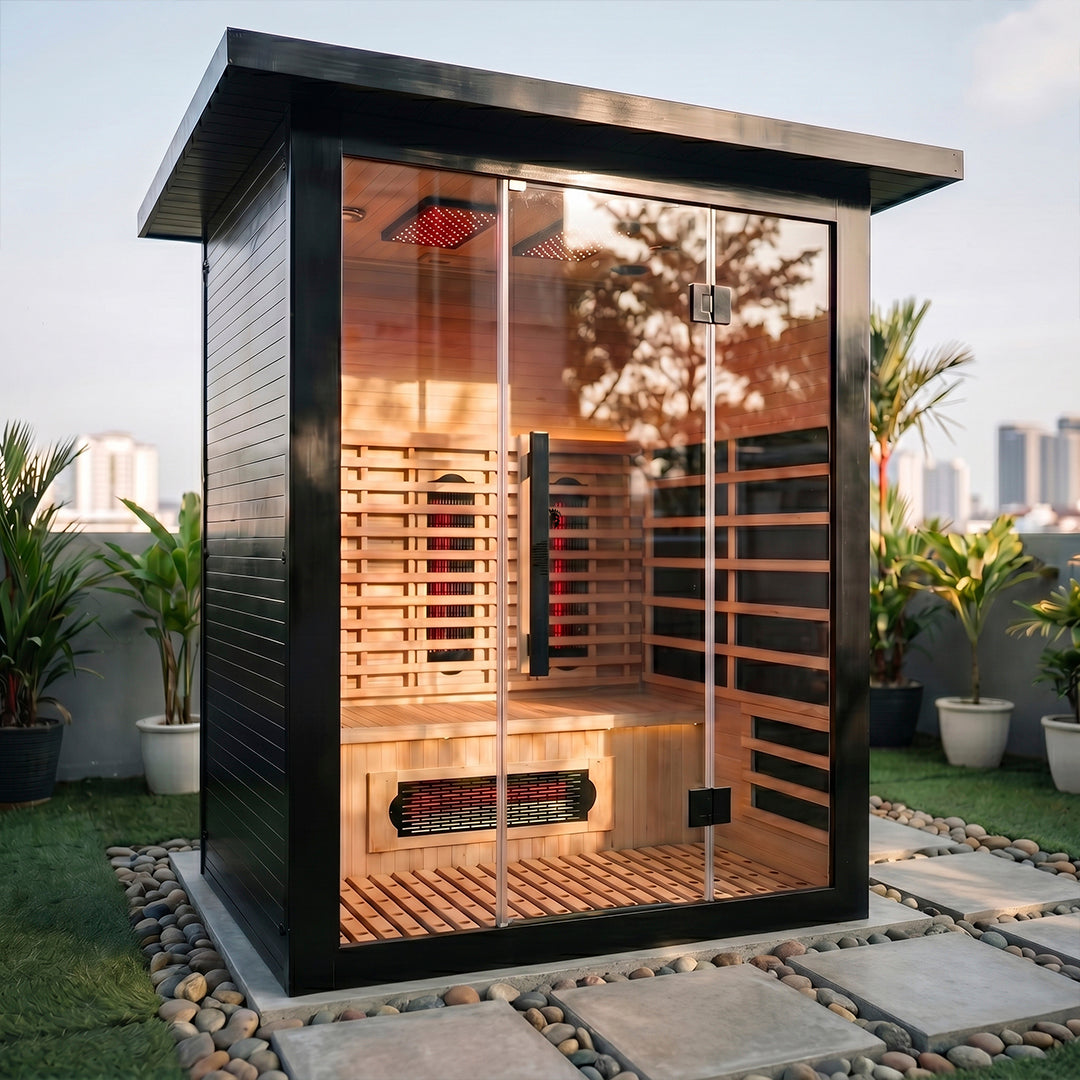
Saunas in Malaysia’s Tropical Climate: Design, Humidity & Smart Choices
Key Takeaways
- Tropical humidity demands better sauna design: Malaysia's 70–90% humidity requires stronger insulation, ventilation, and moisture protection than standard sauna setups.
- Infrared saunas are often the easiest fit for Malaysia: Dry heat at 40–60°C helps manage humidity better than steam-heavy setups, reducing mold and maintenance issues.
- Insulation and airflow are non-negotiable: Moisture barriers, sealed panels, reflective insulation, and proper ventilation help prevent heat loss, condensation, and wood damage.
- Installation location affects long-term performance: Avoid direct sun, poor drainage, enclosed damp corners, and overloaded power points. Choose a dry, ventilated space with safe electrical access.
- Maintenance matters more in tropical climates: Wipe down surfaces after use, run ventilation after each session, leave the door open, and inspect regularly for mold or moisture build-up.
Why Saunas in Malaysia Need Different Planning
You may have found the perfect sauna for your home. But will it handle Malaysia's 70–90% humidity, year-round heat, and heavy rainfall?
That is the real question.
Most sauna advice comes from colder countries where outdoor air is dry, seasonal temperature changes are larger, and moisture does not stay trapped in the same way. Malaysia is different. A sauna here has to deal with warm air before it even turns on, high humidity almost every day, and moisture that can build up around floors, walls, vents, and electrical points.
This does not mean saunas are unsuitable for Malaysia. It means the setup has to be planned properly.
A tropical-climate sauna needs stronger moisture control, reliable ventilation, suitable insulation, safe electrical work, and regular drying after use. Without these, even a good sauna can develop mold, weak heat retention, wood swelling, or electrical issues.
This guide explains how to choose the right sauna for Malaysia's climate, whether you are planning a home recovery room, condo setup, gym sauna, or wellness space.
For a broader overview of sauna categories, read Types of Saunas Explained.
Why Tropical Climate Requires Special Sauna Design
In Malaysia, a sauna has to do more than generate heat. It must manage humidity, protect materials from moisture, reduce heat loss, and dry properly after every session. That is why tropical-climate sauna design needs stronger insulation, better airflow, and more careful placement than standard sauna setups.

Malaysia's Climate Makes Moisture Control Harder
Malaysia's climate is hot and humid throughout the year. Relative humidity often sits around 70–90%, while daily temperatures usually range from 24°C to 35°C.
That matters because most sauna designs assume lower ambient humidity. In a drier country, moisture can escape more easily after a session. In Malaysia, the surrounding air is already moist, so drying takes longer. During monsoon periods, this issue becomes stronger because rain, damp floors, and poor airflow can raise moisture levels around the sauna.
High UV exposure also affects outdoor sauna placement. Direct sun can heat up external surfaces, shorten material life, and make the sauna harder to control.
Heat Loss and Moisture Build-Up Are the Main Problems
The challenge is not only heat. It is heat plus moisture.
Poorly insulated saunas lose heat through the floor, ceiling, walls, and door gaps. In Malaysia, moisture also enters through weak seals, exposed timber, and unprotected floor contact points. Once moisture stays trapped, mold and mildew can grow quickly.
Traditional wood saunas are more exposed to this risk because timber absorbs moisture if not protected. Infrared saunas usually manage tropical conditions better because they use dry heat and lower air temperatures.
Still deciding between both options? Read Infrared Sauna vs. Traditional Sauna: Which One Is Better For You? to compare heat type, maintenance, energy use, installation needs, and which sauna fits your recovery routine best.
Electrical Safety Needs More Attention
Saunas draw high power, and humidity increases electrical risk. Most home saunas in Malaysia need a dedicated circuit, proper grounding, and safe cable routing. Outdoor or semi-outdoor setups need extra care against rain splash, condensation, and power surges during storms.
A sauna should not share power with heavy appliances. For fixed installations, use a qualified electrician and confirm the electrical load before installation.
Insulation and Moisture Barriers: The Foundation of a Tropical Sauna
Insulation Requirements for Malaysian Homes
In Malaysia, sauna insulation must do more than hold heat. It also needs to block moisture, reduce condensation, and protect the sauna structure from long-term humidity damage.
High humidity can enter through weak seals, exposed timber, floor contact points, and poorly protected wall panels. Over time, this can lead to mold, timber swelling, heat loss, musty smells, and shorter sauna lifespan.
A tropical-ready sauna should include:
- Moisture barrier protection
- Reflective insulation
- Sealed wall, ceiling, and floor joints
- Floor protection for concrete or ground-floor areas
- Ventilation support for post-session drying
Moisture Barrier Technology
A moisture barrier, or vapor barrier, slows damp air from entering walls, insulation layers, and floor structures. In Malaysian homes, it should be treated as part of the core sauna build, not an optional upgrade.
This is especially important for outdoor saunas, covered patios, enclosed rooms, and ground-floor installations where humidity and surface moisture are harder to control.
Reflective Insulation vs Traditional Insulation
Traditional insulation, such as fiberglass, slows heat transfer but needs proper sealing. If moisture gets in, performance drops and dampness can build up inside the structure.
Reflective insulation pushes radiant heat back into the sauna room. For tropical homes, it is often the stronger choice because it supports heat retention and moisture control when paired with proper sealing.
| Insulation Type | Moisture Resistance | Best Use in Malaysia |
| Multi-layer reflective insulation | Excellent | Fixed indoor, outdoor, and premium saunas |
| Closed-cell foam with vapor barrier | Excellent | Ground-floor and high-humidity areas |
| Fiberglass with vapor wrap | Fair | Controlled indoor spaces |
| Single-layer wood | Poor | Not ideal for tropical builds |
Humidity Control Systems for Malaysian Saunas
Insulation keeps heat in. Moisture barriers slow damp air movement. Ventilation removes moisture after use.
A good setup may include an exhaust fan, fresh air intake, dehumidifier support, moisture-resistant materials, post-session drying, or humidity sensors for premium installations.
Infrared saunas usually need less humidity control because they use dry heat. Traditional wood saunas need stronger airflow because more timber is exposed to warm, damp air.
Warrior Plunge sauna systems are selected with local climate use in mind, including heat retention, safer installation planning, and long-term usability for Malaysian homes and recovery spaces.
Ventilation Systems: Your Main Defense Against Humidity
Why Tropical Saunas Need Stronger Ventilation
In Malaysia, opening the sauna door after use is often not enough. The surrounding air is already humid, so hot, damp air can stay trapped inside and settle on benches, panels, floors, vents, and hidden corners.
That is how mold starts.
A good ventilation setup removes moist air after each session and brings in fresh air to speed up drying.
Ventilation Considerations for Malaysian Homes
Plan ventilation before installation, especially if the sauna is indoors, semi-outdoors, near a bathroom, beside a drain, or inside a condo.
The best airflow design uses low intake and high exhaust. Cool air enters near the floor. Hot, moist air exits higher on the opposite side.
Avoid placing intake and exhaust too close together. This causes poor circulation and leaves moisture trapped.
Ventilation Options for Malaysian Homes
| Ventilation Type | How It Works | Best For | Tropical Rating |
| Exhaust fan only | Pulls moist air out | Portable or small setups | ⭐⭐⭐ |
| Intake + exhaust | Balances fresh and stale air | Traditional saunas | ⭐⭐⭐⭐⭐ |
| Dehumidifier support | Removes moisture nearby | Enclosed indoor spaces | ⭐⭐⭐⭐⭐ |
| Smart climate control | Uses sensors to manage humidity | Premium or commercial setups | ⭐⭐⭐⭐⭐ |
Which Sauna Type Works Best in Tropical Climates?
Traditional Wood Saunas in Malaysia
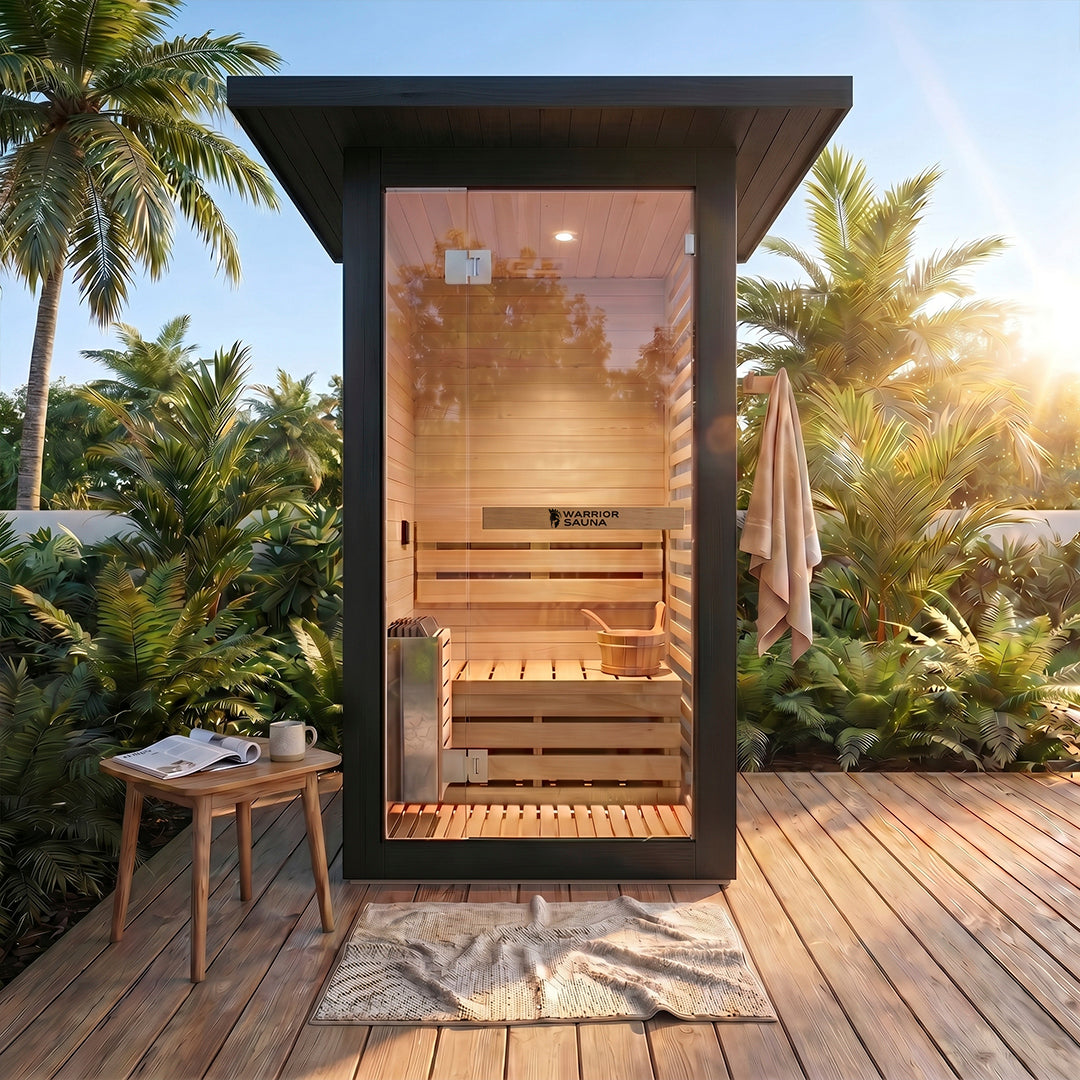
Traditional saunas offer a strong heat experience and a classic dry sauna feel. They usually operate at higher temperatures, often around 60–90°C depending on the setup and user tolerance.
Traditional saunas are best for serious users who want the full dry-heat sauna experience and are willing to maintain the system properly.
The Warrior Traditional Sauna uses hemlock wood and a Harvia heater system, making it suitable for users who want a stronger heat therapy setup for home recovery and contrast therapy.
Infrared Saunas in Malaysia
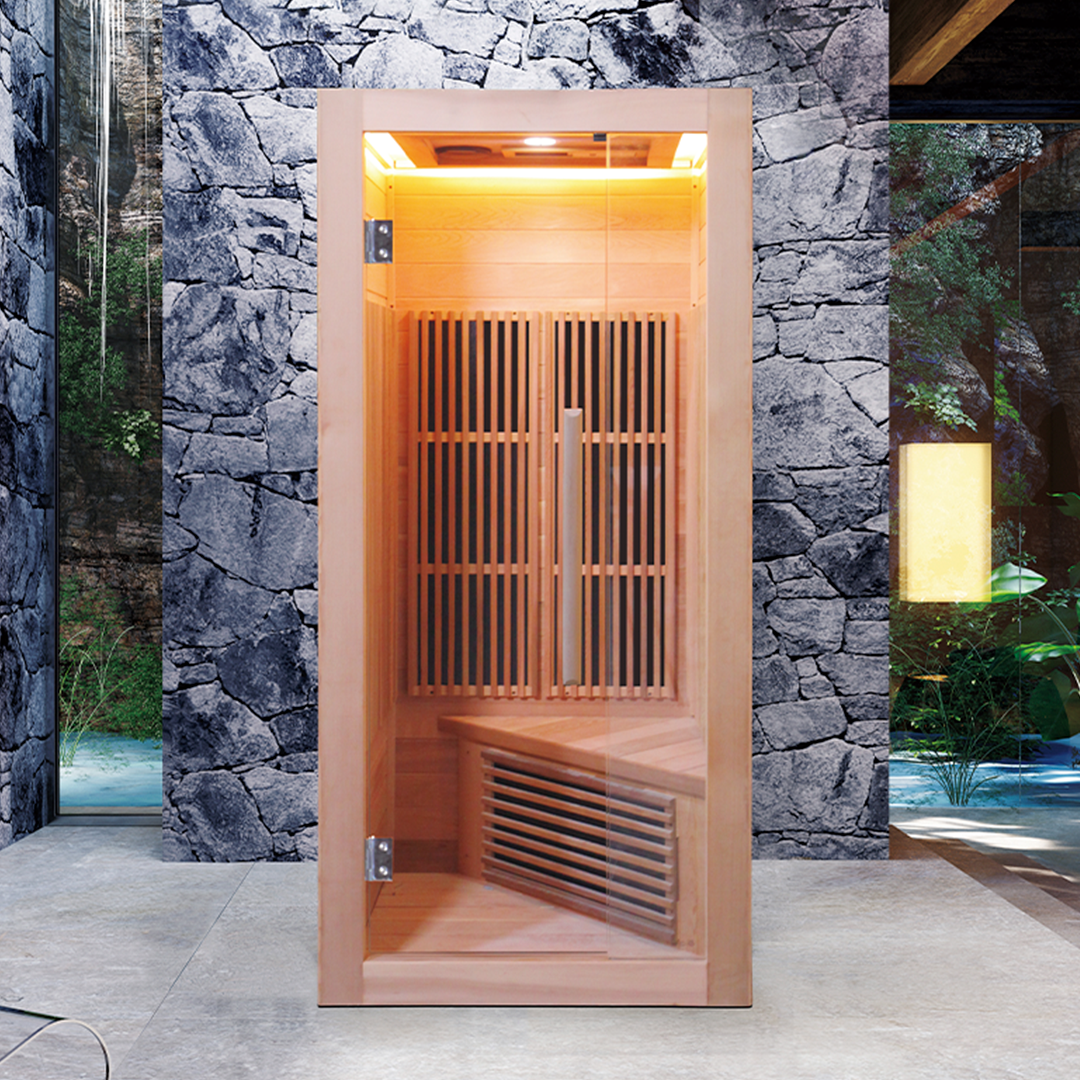
Infrared saunas are often the easiest fit for tropical homes. They use infrared heat to warm the body directly instead of heating the room to very high temperatures. Most operate around 40–60°C.
For most Malaysian homes, condos, and private recovery rooms, the Warrior infrared saunas are the most practical choice. They give consistent heat therapy without the same moisture burden as steam-based or poorly ventilated traditional systems.
For more detail, read Infrared Saunas: Benefits & All You Need To Know.
Portable and Steam Saunas in Malaysia
Portable saunas are popular because they are affordable, quick to set up, and easy to move. They work well for beginners or renters who want to test sauna therapy before buying a fixed system.
Portable saunas can work in Malaysia, but they need careful drying. If the model uses steam, use it in a ventilated space and avoid storing it wet.
Tropical Climate Sauna Comparison
| Factor | Traditional Sauna | Infrared Sauna | Portable Sauna |
| Humidity management | 5/10 | 9/10 | 6/10 |
| Maintenance burden | 6/10 | 9/10 | 8/10 |
| Long-term durability | 7/10 | 9/10 | 5/10 |
| Energy efficiency | 6/10 | 9/10 | 7/10 |
| Authentic heat experience | 10/10 | 7/10 | 4/10 |
| Overall tropical score | 6/10 | 9/10 | 5/10 |
For buying comparisons, read Portable vs Traditional vs Infrared Sauna: Cost Comparison & Value Guide to compare upfront price, running costs, installation needs, maintenance, and which sauna gives the best fit for your space, budget, and recovery goals.
Installation Best Practices for Tropical Homes
Choose a sauna location that is dry, level, easy to ventilate, and protected from direct sun, rain splash, flooding, and ground moisture. It should also be close enough to an electrical panel for safe installation.
Indoor spaces are usually easier to manage in Malaysia. A spare room, home gym, covered patio, or space near a bathroom can work if airflow and electrical access are suitable. For condos, infrared saunas are often more practical because they need less space and lower ventilation demand.
Prepare the Floor for Moisture
Concrete floors can hold moisture, especially in ground-floor or semi-outdoor areas. Use a moisture barrier under the sauna and raise it slightly off the floor where possible to improve airflow.
If there is a drain nearby, make sure water flows away from the sauna instead of collecting below it.
Plan Electrical Work Properly
Most fixed saunas need a dedicated power circuit. Use a qualified electrician, avoid sharing the circuit with heavy appliances, install proper grounding, and use weather-protected fittings for outdoor or semi-outdoor setups.
Warrior Plunge provides free installation in selected areas of West Malaysia, helping customers avoid poor setup decisions and climate-related installation mistakes.
Before finalising your sauna location, read Home Sauna Installation in Malaysia: Complete Setup Guide. It explains space planning, electrical requirements, ventilation, flooring, indoor vs outdoor placement, and what to prepare before installation.
Maintenance in Tropical Climates: Prevention Comes First
Mold and Mildew Are the Main Risks
Mold grows when warmth, moisture, poor airflow, and organic surfaces combine. This is not just a cosmetic issue. The World Health Organization's indoor air quality guidelines state that mold grows when sufficient moisture is present indoors and that damp, mold-affected buildings are linked with higher rates of respiratory symptoms, allergies, and asthma.
The best fix is prevention.
After each session:
- Wipe down benches and floors.
- Run ventilation for 30–45 minutes.
- Leave the door slightly open.
- Remove wet towels and clothing.
- Check for standing water.
Once a week, clean the interior with a mild vinegar and water solution. Avoid harsh chemical cleaners that leave strong fumes inside the sauna.
Warrior Plunge Sauna Solutions for Malaysia
Warrior Plunge sauna systems are built around real Malaysian use conditions: heat, humidity, heavy rain, home installation limits, and the need for consistent recovery routines.
Military-Grade Insulation for Humidity Control
Malaysia's climate puts constant pressure on sauna materials. Warrior Plunge sauna systems use strong insulation and heat-retention design to reduce heat loss, manage moisture exposure, and support stable performance in humid homes.
This helps the sauna stay efficient over repeated use instead of struggling with daily humidity, weak sealing, or poor heat retention.
Local Installation Expertise
Correct installation matters more in Malaysia than in drier climates. Warrior Plunge's local team understands common site issues such as concrete floors, covered outdoor areas, condo limitations, electrical access, and ventilation gaps.
That means you get practical guidance before installation, not just a product dropped at your door.
Final Thoughts: Choose a Sauna Built for the Climate
A sauna in Malaysia is not impossible. It just needs different planning.
The best tropical-climate sauna setup includes proper insulation, a moisture barrier, controlled ventilation, safe electrical work, and regular drying after use. Infrared saunas are usually the easiest choice for Malaysian homes, while traditional saunas suit users who want a stronger heat experience and are ready for more maintenance.
Ready to bring a tropical-climate sauna home? Talk to a Warrior Recovery Specialist today. Warrior Plunge can help you choose the right sauna, plan the installation, and build a recovery setup that works in Malaysia's climate.
Frequently Asked Questions About Saunas in Malaysia's Tropical Climate
Can I use a regular sauna in Malaysia without modifications?
It is not recommended for fixed installations. Standard saunas built for drier climates may struggle with Malaysia's humidity. Without proper insulation, ventilation, and moisture protection, you may face mold, wood swelling, heat loss, or faster wear.
What is the best sauna type for Malaysia's climate?
Infrared saunas are the easiest fit for most Malaysian homes because they use dry heat, run at lower temperatures, heat up quickly, and require less ventilation than traditional saunas. Traditional saunas still work well if installed with stronger airflow and proper moisture control.
How do I stop condensation in my sauna?
Run ventilation for 30–45 minutes after use, leave the door slightly open, wipe down wet surfaces, and use a dehumidifier in enclosed rooms. A moisture barrier under the sauna also helps prevent dampness from rising through the floor.
Is it safe to use a sauna during monsoon season?
Yes, if the sauna is installed properly. Indoor saunas are safest during heavy rain. For outdoor or semi-outdoor setups, check drainage, roof protection, electrical fittings, and sealing before monsoon season.
How much will a sauna increase my electricity bill in Malaysia?
Most home users can expect around RM30–RM80 per month for the sauna itself, depending on sauna type and usage. Infrared saunas are usually more efficient than traditional saunas because they operate at lower temperatures.
Can I install a sauna in a condo?
Sometimes, but you need management approval, proper ventilation, electrical capacity, and moisture control. Infrared saunas are usually more suitable for condos than traditional saunas because they need less space and less ventilation.