



Sauna Benefits for Skin: Glow, Acne & Anti-Aging
Key Takeaways
-
Sauna sessions may support healthier-looking skin by increasing circulation, encouraging sweating, and leaving the skin feeling cleaner and refreshed.
-
Many people use saunas for a temporary glow after heat exposure, while others use them to support congested pores, oil buildup, and uneven skin texture.
-
Infrared saunas are often discussed in relation to collagen activity and skin elasticity, while traditional saunas are known for stronger sweating and more intense heat exposure.
-
Contrast therapy, where sauna heat is followed by cold exposure, may help reduce puffiness and leave skin feeling firmer and refreshed.
-
Sauna use works best when paired with hydration, a consistent skincare routine, and moderate session frequency.
-
The right sauna type depends on your goal — clearer pores, glow, anti-aging support, or a full hot-cold recovery routine.
What Are the Main Sauna Benefits for Skin?
Sauna sessions affect the body in ways that can influence how skin looks and feels. When the body heats up, circulation increases and sweat glands activate. These responses create several conditions that may support skin health.
Skin Mechanisms Behind Sauna Benefits
Several physiological responses explain why sauna sessions are often associated with brighter, cleaner-feeling skin. Heat exposure affects circulation, sweat production, and cellular repair processes in ways that can influence skin appearance and function.
1. Increased blood circulation to the skin
Heat exposure causes blood vessels near the skin surface to expand (vasodilation), increasing blood flow to the skin. This improves the delivery of oxygen and nutrients to skin tissue, which contributes to the temporary post-sauna glow many users notice after sessions.
2. Sweating helps clear surface buildup
Sweat glands activate rapidly during heat exposure. Sweating can help remove small amounts of substances from the skin surface, including:
-
excess oil
-
environmental pollutants
-
surface debris
When followed by proper cleansing, this may leave the skin feeling cleaner and less congested.
3. Loosening buildup during heat exposure
Dermatological guidance from organisations such as the American Academy of Dermatology explains that heat does not open pores. Instead, warmth softens oil (sebum) and dead skin cells that can accumulate inside pores.
This softening effect can make debris easier to remove during cleansing after a sauna session. Heat may also cause slight swelling in the surrounding skin, which can make pores appear more visible and help identify congested areas before cleansing.

4. Cellular repair responses triggered by heat
Heat exposure also activates protective cellular responses known as heat shock proteins (HSPs). These HSP proteins help cells cope with stress and support tissue repair mechanisms.
5. Potential collagen-related effects from infrared heat
Research on infrared and red light therapy suggests controlled exposure may influence collagen production and skin elasticity.
Clinical research has observed:
-
increased intradermal collagen density
-
reduction in fine lines and wrinkles
-
improved skin texture and elasticity
What These Effects Mean for Skin
Together, these mechanisms help explain why many sauna users report skin that feels:
-
cleaner after sweating
-
brighter due to improved circulation
-
smoother with regular use
While sauna sessions are not a replacement for skincare treatments, they can support skin health when combined with hydration, cleansing, and consistent skincare routines.
If you’re new to saunas, it helps to first understand the differences between sauna styles.
See: Types of Saunas Explained: How to Choose the Right One
Does Sauna Make Your Skin Glow?
One of the most noticeable changes after a sauna session is the temporary glow many users experience.
This effect is primarily caused by increased circulation.
Physiological Mechanisms of the "Sauna Glow"

When the body heats up, blood vessels near the skin surface expand. This process — known as vasodilation — increases blood flow to the skin.
The result:
-
oxygen reaches skin cells more easily
-
nutrients are delivered more efficiently
-
the skin surface becomes slightly flushed and radiant
This is why skin often appears brighter and healthier immediately after a sauna session.
Sweating may also contribute to this effect. As sweat moves across the skin, it can help remove small amounts of:
-
oil
-
dirt
-
environmental pollutants
When followed by gentle cleansing and hydration, this can leave the skin feeling fresher and smoother.
Is the Sauna Glow Temporary?
The post-sauna glow is usually temporary, lasting from a few hours to a day.
However, regular sauna use may help support healthier skin tone over time by maintaining good circulation and helping pores stay clear.
Consistency matters more than intensity. Short, regular sessions combined with good skincare habits tend to produce the most noticeable results.
Can Sauna Help With Acne and Congested Skin?
Sauna sessions may support acne-prone or congested skin by helping clear surface buildup and improving circulation.
However, it’s important to set realistic expectations. Saunas are not a treatment for medical acne conditions.
How Sweating May Help Clear Pores
During a sauna session, sweat glands activate quickly. Sweat can help loosen and carry away small amounts of:
-
excess oil
-
surface debris
-
environmental particles on the skin surface
For people who experience frequent congestion or oily skin, this process may help the skin feel cleaner and less clogged.
What Sauna Cannot Do for Acne
Sauna sessions cannot treat underlying causes of acne such as:
-
hormonal imbalances
-
bacterial infections
-
cystic acne
For those conditions, professional dermatology care is still important.
That said, sauna sessions may complement a skincare routine by supporting circulation and helping remove oil and debris from the skin surface.
Best Practices for Acne-Prone Skin
If you use sauna for skin support, a few habits make a difference:
-
remove makeup before entering the sauna
-
avoid touching the face while sweating
-
gently cleanse the skin afterward
-
apply moisturiser to restore hydration
These steps help ensure sweating does not leave residue on the skin.
Do Saunas Help With Anti-Aging?
Many people are interested in sauna use because of its potential role in supporting skin elasticity and texture.
A key factor in youthful-looking skin is collagen, the structural protein that helps skin remain firm and smooth.
Collagen and Infrared Heat
Some research suggests infrared heat exposure may influence fibroblast activity, the cells responsible for producing collagen and maintaining skin structure.
Clinical studies on red and near-infrared light therapy have reported increased intradermal collagen density and improvements in wrinkles and skin texture after treatment.
Because infrared saunas heat the body more directly, they are often associated with collagen support and skin elasticity. Collagen plays a key role in:
-
skin firmness
-
smooth texture
-
resilience against fine lines
While sauna use alone will not replace clinical skincare treatments, regular heat exposure may help support the skin’s natural repair processes.
Heat Shock Proteins and Skin Repair
Heat exposure also activates heat shock proteins (HSPs), protective molecules produced when cells experience stress. These HSP proteins help maintain protein stability and support recovery processes in tissues.
Heat shock proteins are linked to:
-
cellular recovery
-
tissue repair
-
protection against oxidative stress
These responses form part of the body’s natural stress-adaptation system and may contribute to healthier skin function over time.
What Sauna Can Realistically Do for Aging Skin
Saunas may support several skin-related outcomes, particularly when used consistently:
-
improved circulation
-
smoother skin appearance
-
healthier skin tone
Research on infrared light therapies shows improvements in wrinkles, collagen density, and dermal elasticity, which helps explain why heat exposure is often discussed in skin rejuvenation contexts.
However, saunas should be viewed as a complement to skincare, not a replacement for dermatological treatments or active skincare ingredients.
Infrared vs Traditional Sauna: Which Is Better for Skin?
Both sauna types can support skin health, but they do so in different ways.
Infrared vs. Traditional: Skin Goal Comparison Table

Both sauna types support skin wellness, but they offer distinct experiences. Choose infrared for collagen support or traditional for deep, sweat-driven pore cleansing.
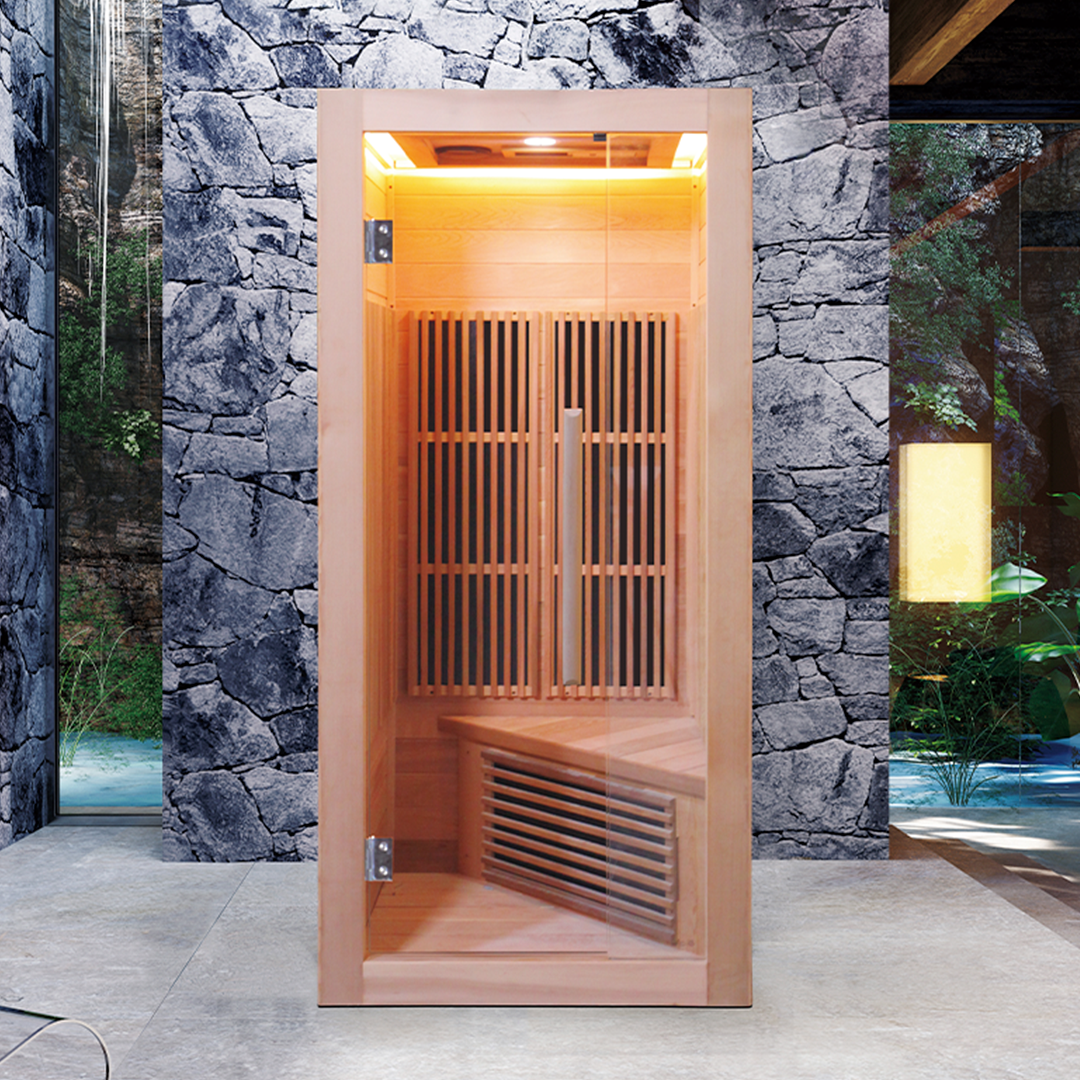
When Infrared Sauna May Be Better for Skin
Infrared saunas may appeal to users who want:
-
gentler heat exposure
-
longer comfortable sessions
-
interest in collagen-related skin benefits
Because the surrounding air temperature is lower, some users find infrared sessions easier to tolerate.
When Traditional Sauna May Be Better
Traditional saunas create a hotter environment that often produces stronger sweating.
This may be helpful for users who want:
-
deeper sweat sessions
-
stronger heat exposure
-
the classic sauna experience
To understand how these sauna styles differ in detail, see: Infrared Sauna vs. Traditional Sauna: Which One Is Better For You?
How Contrast Therapy May Improve Skin Appearance
Contrast therapy involves alternating between heat exposure and cold exposure.
A typical routine looks like this:
-
spend time in a sauna
-
follow with a cold plunge or cold shower
-
repeat the cycle if desired
The shift between hot and cold temperatures causes rapid changes in blood vessel diameter.
Heat causes vessels to expand, while cold causes them to contract. This cycle can create a strong circulation effect.
Potential Skin-Related Effects
Many people report that contrast therapy leaves their skin feeling:
-
firmer
-
less puffy
-
refreshed
-
more energised
Cold exposure can also help reduce inflammation and may temporarily tighten the skin surface.
Because contrast therapy combines two temperature extremes, it has become a popular routine among people who want both recovery benefits and skin-related effects.
For more on cold exposure and skin, see:
How Often Should You Use a Sauna for Skin Benefits?
Consistency usually matters more than session length.
For beginners, a common starting routine is:
-
2–4 sessions per week
-
10–20 minutes per session
More experienced sauna users may extend sessions depending on comfort and hydration levels.
Habits That Support Skin Health
To maximise skin benefits, it helps to follow a few simple practices:
-
drink water before and after sessions
-
remove makeup before entering the sauna
-
cleanse the face after sweating
-
apply moisturiser after cooling down
These steps help maintain skin hydration and remove sweat residue.
Signs You May Be Overdoing Sauna Use
If sessions are too long or too frequent, some people may notice:
-
skin dryness
-
irritation
-
dehydration
-
excessive redness
Reducing session length or frequency usually resolves these issues.
Who Should Be Careful With Sauna Use for Skin?
Saunas are safe for most people, but certain skin conditions may require extra caution.
Those who may want to consult a professional before frequent sauna use include people with:
-
rosacea
-
eczema flare-ups
-
extreme heat sensitivity
Shorter sessions and lower heat levels may help individuals with sensitive skin enjoy sauna use more comfortably.
For a broader overview of sauna wellness benefits and how different sauna types work, see The Benefits of Sauna: For Men, Women & Types of Saunas.
Which Warrior Plunge Sauna Is Best for Your Skin Goals?
The best sauna type depends on what you want from your routine.
Choose Infrared Sauna if You Want
-
gentler heat exposure
-
longer relaxing sessions
-
interest in collagen-related skin benefits
Choose Traditional Sauna if You Want
-
stronger sweating
-
deeper heat intensity
-
a classic sauna experience
Choose a Contrast Setup if You Want
-
hot-cold circulation cycles
-
refreshed and firmer-feeling skin
-
a complete wellness routine combining sauna and cold plunge
If you want to explore different sauna options, you can also try the experience before choosing a model.
Shop the Warrior Plunge’s sauna collection or book a session to experience sauna and contrast therapy before deciding on your home setup.
FAQs: Sauna Benefits for Skin
Does sauna improve skin glow?
Yes. Sauna heat increases circulation to the skin surface, which can create a temporary glow and brighter complexion after a session.
Can sauna help with acne?
Sauna sessions may help remove surface oil and debris through sweating, which may support clearer pores. However, saunas do not treat medical acne conditions.
Is infrared sauna better for skin?
Infrared saunas are often associated with collagen support and gentler heat exposure, which some users prefer for skin-focused wellness routines.
Can sauna tighten pores?
No. Pores do not open or close because they do not have muscles. Heat from a sauna can soften oil and debris inside pores, making them easier to cleanse. Cold exposure afterward may make the skin feel firmer and less puffy, which can make pores appear smaller temporarily.
Are sauna skin benefits supported by research?
Yes. Research shows heat exposure can increase skin blood flow and sweating, activate heat shock proteins linked to cellular repair, and influence pathways related to collagen and skin elasticity.
These effects may contribute to skin that appears brighter and clearer.
Which Warrior Plunge sauna is best for skin?
Warrior Plunge offers both infrared sauna and traditional saunas, each supporting different skin goals. Exploring both can help you decide which suits your routine best.
Can I try a Warrior Plunge sauna before buying?
Yes. Warrior Plunge offers bookable sessions so you can experience the sauna and contrast therapy setup before choosing a home unit. Book a session today!
How difficult is installing a home sauna in Malaysia?
Home sauna installation usually depends on available space and electrical setup. Most modern sauna units are designed for straightforward installation with proper planning.
If you're unsure where to start, speak with a Warrior Plunge Recovery Specialist for guidance on choosing the right model and preparing your home setup.
You can also read our Home Sauna Installation in Malaysia: Complete Setup Guide to learn about key considerations such as space requirements, electrical needs, and placement tips before installing a sauna at home.
Baca selengkapnya
Compare portable sauna vs traditional sauna by cost, space, heat, setup, and long-term value. See which Warrior Plunge sauna fits your home best.

Optimal sauna duration, frequency, and safety tips backed by research. Learn how long to stay for recovery, health, and performance.